+86 182 3185 8969
+86 182 3185 8969

As Thailand accelerates its agricultural modernization, greenhouse technology has become a strategic focus for improving crop productivity, reducing resource waste, and enabling year-round cultivation. From Chiang Mai’s strawberry farms to Nakhon Pathom’s hydroponic systems, farmers are adopting more advanced greenhouse designs that optimize light, airflow, and temperature control. Among the innovations driving this shift, aluminium mesh screens have emerged as a game-changing material — offering exceptional durability, energy efficiency, and environmental adaptability for tropical climates.
This in-depth article explores how aluminium mesh screens are reshaping Thailand’s greenhouse industry, their technical advantages over traditional shading and ventilation materials, and how they align with the country’s sustainability and smart farming goals.
Thailand’s agricultural sector, long a backbone of its economy, is undergoing a structural transformation. The government’s Thailand 4.0 strategy prioritizes technology integration in farming — promoting automation, climate-controlled greenhouses, and resource-efficient designs.
Several national policies are encouraging the use of modern greenhouse systems:
Smart Agriculture Program: Promotes IoT-based greenhouses for precise environmental control.
Bio-Circular-Green (BCG) Economy Model: Focuses on reducing waste and improving resource efficiency.
Climate-Resilient Farming Projects: Encourage farmers to adopt materials and designs that can withstand heat, humidity, and heavy rainfall.
These initiatives are fueling demand for high-performance materials like aluminium mesh, which support both productivity and sustainability.
Traditional greenhouse structures in Thailand often use plastic nets, galvanized steel mesh, or PVC-coated fabrics for shading and protection. While inexpensive, these materials come with several limitations:
Heat Retention: Plastic and PVC materials can trap excessive heat, raising internal temperatures and stressing crops.
UV Degradation: Constant exposure to sunlight leads to discoloration, brittleness, and reduced lifespan.
Corrosion Issues: Steel meshes corrode rapidly under Thailand’s high humidity and saline coastal conditions.
Maintenance Costs: Frequent replacement and cleaning increase operational expenses.
These issues have prompted growers to seek more durable and thermally efficient alternatives, leading to widespread interest in aluminium mesh screens.
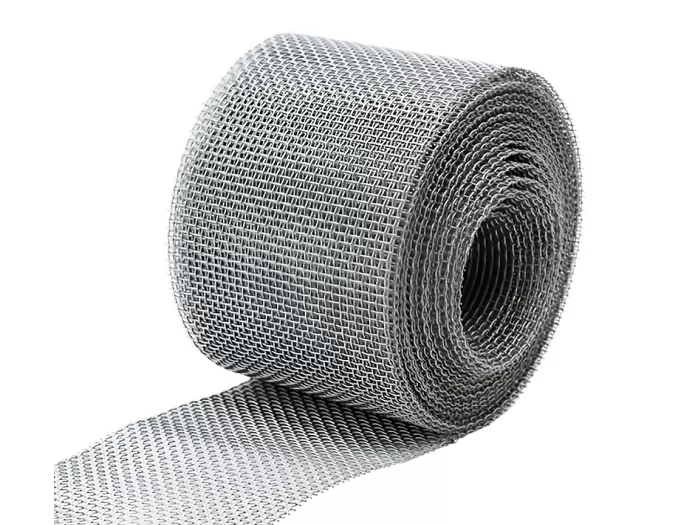
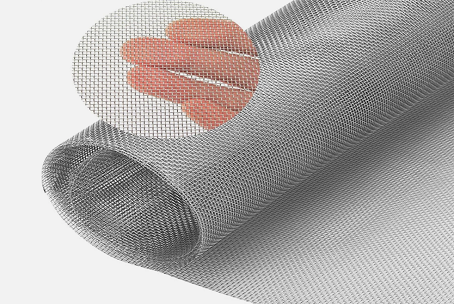
Aluminium mesh screens have become a preferred choice for modern greenhouse architecture due to their unique combination of lightweight structure, high reflectivity, and corrosion resistance.
Aluminium reflects a large portion of solar radiation, helping maintain optimal internal temperatures. This reflection reduces excessive heat buildup during the day while allowing sufficient light diffusion for photosynthesis.
Temperature Reduction: Studies show aluminium mesh can reduce greenhouse internal temperature by 3–6°C compared to polyethylene shading.
Energy Savings: Lower cooling requirements translate into reduced energy costs for fan or evaporative cooling systems.
Unlike opaque or tinted shading materials, aluminium mesh provides uniform light distribution. This helps eliminate hot spots and shadows, ensuring all plants receive balanced sunlight exposure — essential for consistent growth and yield.
The open structure of aluminium mesh promotes natural airflow, improving humidity control and reducing fungal diseases. It allows for efficient passive ventilation, critical in Thailand’s tropical climate where excessive moisture can damage sensitive crops.
Aluminium’s natural oxide layer protects it from rust, making it ideal for humid and coastal agricultural zones. It maintains structural integrity for 10–20 years, far surpassing the 3–5-year lifespan of plastic or steel alternatives.
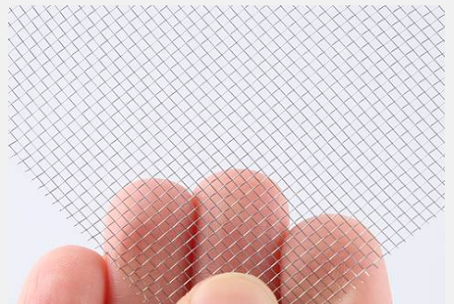
Fine aluminium mesh screens act as a physical barrier against insects such as thrips, whiteflies, and aphids, reducing pesticide use and promoting eco-friendly pest management.
Aluminium mesh screens are now used across a variety of greenhouse configurations, from small family farms to large commercial agribusinesses.
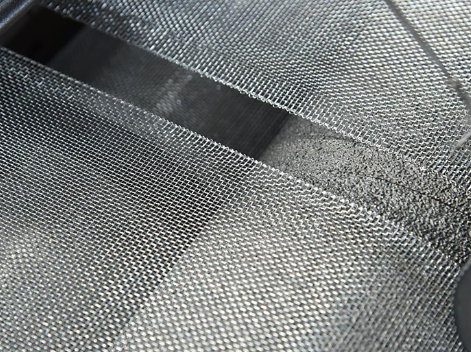
Aluminium shading mesh is installed on roofs or walls to reflect excess sunlight while ensuring ventilation. It prevents overheating in vegetable and flower greenhouses during Thailand’s hot season.
In controlled environments such as hydroponic lettuce or strawberry farms, aluminium mesh helps stabilize microclimates, ensuring steady temperature and light for delicate crops.
Greenhouses cultivating high-value crops like herbs or organic vegetables often use fine aluminium insect screens, which balance airflow with pest protection.
Mesh screens are also used as internal partitions, separating crop zones or serving as adjustable vents in automated climate control systems.
| Property | Aluminium Mesh Screen | Plastic Mesh | Steel Mesh |
|---|---|---|---|
| Durability | 10–20 years | 3–5 years | 5–8 years |
| Corrosion Resistance | Excellent | Moderate | Poor |
| Heat Reflection | High | Low | Medium |
| UV Stability | Excellent | Poor | Good |
| Weight | Light | Very light | Heavy |
| Recyclability | 100% recyclable | Low | Medium |
| Maintenance | Low | High | Medium |
The data clearly indicates that aluminium mesh offers the best lifecycle value, combining environmental resilience, long-term cost savings, and superior performance.
Beyond functional advantages, aluminium mesh aligns with Thailand’s BCG (Bio-Circular-Green) economy goals.
Recyclability: Aluminium is 100% recyclable without loss of properties, contributing to resource efficiency.
Reduced Plastic Waste: Replacing plastic nets helps mitigate agricultural plastic pollution.
Energy Efficiency: Reflective mesh lowers greenhouse cooling energy demand, reducing greenhouse gas emissions.
This makes aluminium mesh screens not only practical but also a symbol of green innovation in Thai agriculture.
In Chiang Mai and Lamphun, several vegetable growers have replaced polyethylene shading nets with aluminium mesh systems.
Results observed after one cultivation cycle include:
30% reduction in cooling costs
Increased tomato and lettuce yields by 15–20% due to balanced light exposure
Significant reduction in insect infestation, minimizing pesticide use
Extended structure lifespan, lowering material replacement costs
These success stories highlight aluminium mesh as a long-term investment rather than a recurring expense — essential for farms aiming to scale sustainably.
When selecting aluminium mesh for agricultural applications, farmers and engineers should evaluate:
Mesh Density & Aperture Size: Determines airflow and insect exclusion effectiveness.
Surface Treatment: Anodized or powder-coated finishes improve UV and corrosion resistance.
Thickness and Strength: Thicker mesh provides better durability under wind load.
Reflectivity Index: Choose appropriate reflectivity for crop type and light sensitivity.
Installation Compatibility: Ensure mesh design matches existing frame structures or automated systems.
For optimal performance, partnering with an experienced mesh manufacturer or system integrator ensures material quality and correct installation design.
As Thailand continues its agricultural modernization, the integration of smart climate control, AI-based monitoring, and eco-efficient materials will define the next generation of greenhouse systems.
Aluminium mesh screens are expected to play a central role in this evolution, particularly as part of hybrid shading systems combining automation, humidity sensors, and renewable energy controls.
The future greenhouse in Thailand will not just be about crop production — it will embody energy efficiency, sustainability, and resilience.
Thailand’s agricultural landscape is transforming — and aluminium mesh screens are at the heart of this change. With their heat-reflective, corrosion-resistant, and recyclable properties, they are helping farmers achieve better crop yields, lower operating costs, and longer-lasting infrastructure.
From protecting delicate vegetables to optimizing greenhouse environments for hydroponics and floriculture, aluminium mesh is proving indispensable in building a climate-resilient, sustainable farming system that aligns perfectly with Thailand’s BCG economy vision.
For agricultural developers, greenhouse designers, and farm owners seeking durable, eco-friendly, and high-performance aluminium mesh solutions, Jiushen provides advanced manufacturing expertise and customizable mesh screen systems tailored for tropical agricultural applications.
With Jiushen aluminium mesh solutions, Thai farmers can confidently build greenhouses that are smarter, more efficient, and truly sustainable — supporting both productivity and the planet.
Copyright © Hebei Jiushen Wire Weaving Co., Ltd. All Rights Reserved. |
Sitemap
| Technical Support: