+86 182 3185 8969
+86 182 3185 8969

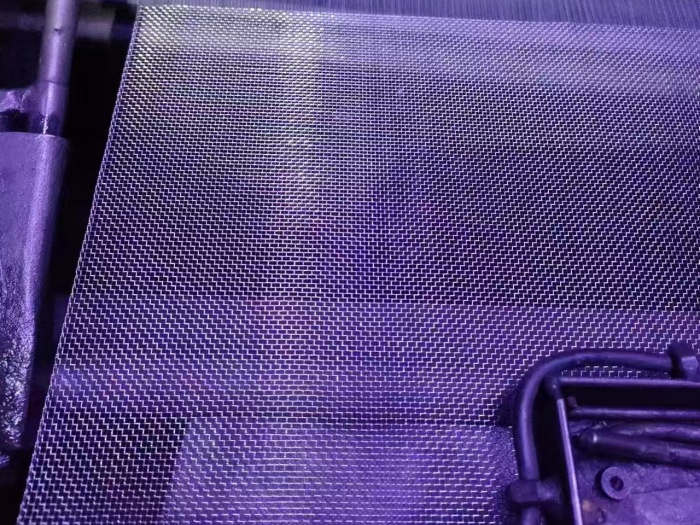
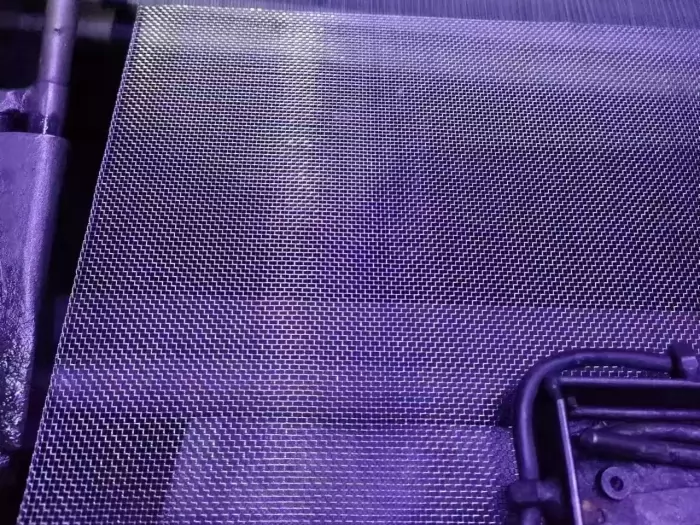
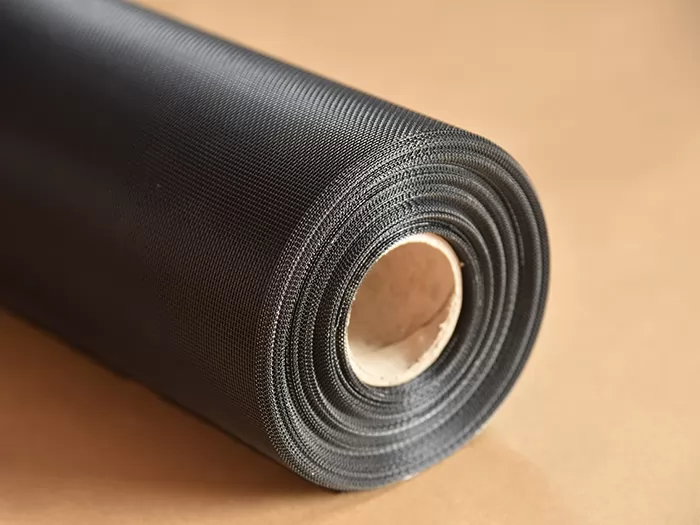
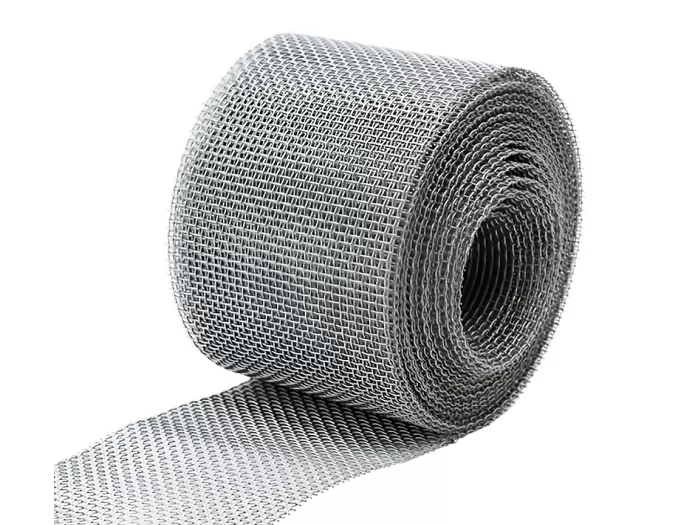
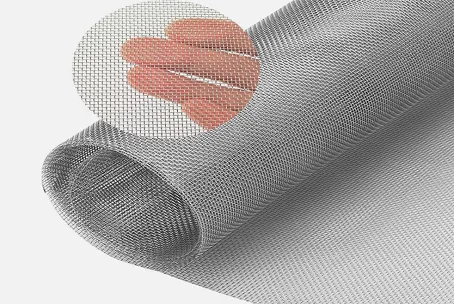
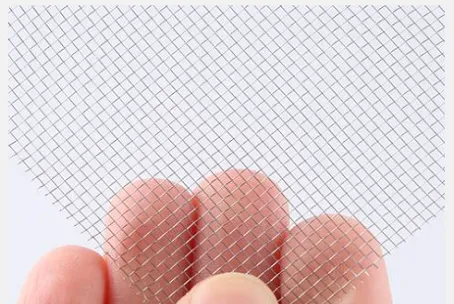
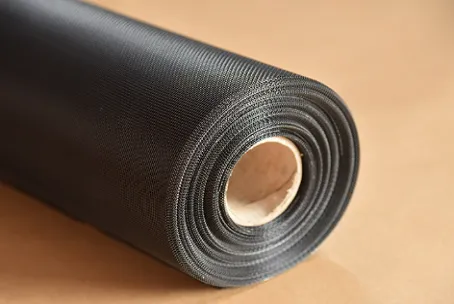
Aluminum is widely considered as the most popular non-ferrous metal in the world, so aluminum alloys are widely used in the wire mesh industry. Aluminum alloy is mainly composed of aluminum, and also contains other elements such as copper, magnesium, manganese, or silicon etc. Aluminum alloy wire mesh is a mesh screen material made of aluminum wire or aluminum alloy wire through weaving, perforating, stretching and other processes. It achieves an excellent balance between price, quality and versatility, making aluminum alloy wire mesh netting an ideal choice for wide applications.
Jiushen aluminum alloy wire mesh is woven from selected 5000-series aluminum alloy wire to provide a practical balance of low weight, corrosion resistance, formability and consistent mesh openings. Common material options include 5052, 5056 and 5154 aluminum alloys.
Compared with steel-based mesh of a similar volume, aluminum mesh significantly reduces component and transportation weight. It is widely selected for air filters, HVAC systems, ventilation screens, window screening, equipment protection, architectural applications and other projects where lightweight construction is a priority.
Jiushen supports customization of the alloy grade, mesh count, wire diameter, roll width, roll length, surface finish, coating color and packaging. To receive an accurate quotation, provide the application environment and complete mesh specification rather than only the required mesh count.
●Lightweight construction: Aluminum has a density of approximately 2.7 g/cm³ and is roughly one-third the weight of stainless steel by volume.
●Corrosion resistance: 5000-series aluminum-magnesium alloys perform well in many atmospheric, humid and marine environments when the correct grade is selected.
●Easy fabrication: Aluminum mesh is relatively easy to cut, slit, form and integrate into filters, ventilation components and screen assemblies.
●Consistent airflow: Controlled mesh count and wire diameter provide repeatable openings for air passage and particle retention.
●Electrical conductivity: Aluminum mesh can be considered for conductive or shielding-related components when conductivity and connection requirements are properly engineered.
●Multiple surface options: Natural bright finish, silver appearance and powder-coated colors are available for functional or decorative requirements.
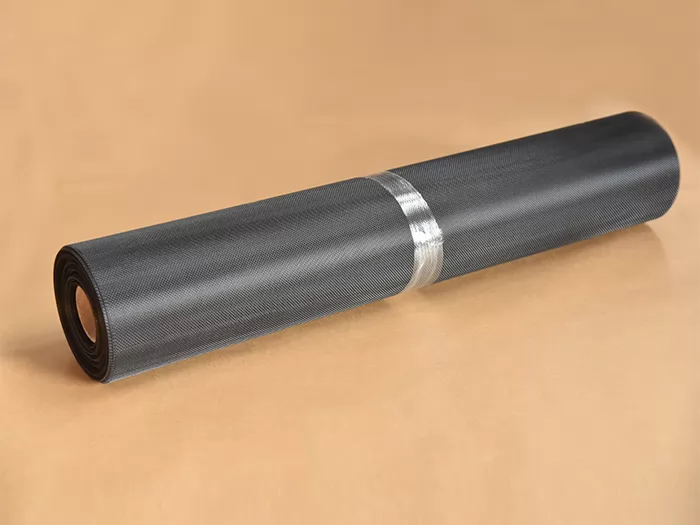
●Custom roll production: Width, length, mesh count and wire diameter can be adjusted according to processing equipment and end-use requirements.
Aluminum does not develop iron rust, but it is not corrosion-proof in every environment. Strong alkaline solutions, hydrochloric acid, hydrofluoric acid and incompatible chemicals can rapidly attack aluminum. Chemical exposure must therefore be evaluated before material selection.
Different aluminum alloy wire meshes may appear similar, but their magnesium content, strength, formability and corrosion resistance are different. Selecting the correct alloy helps prevent premature corrosion, forming problems and unnecessary material cost.
| Aluminum Alloy | General Characteristics | Recommended Applications | Selection Priority |
| 5052 | Balanced corrosion resistance, formability and procurement cost | General filtration, HVAC, ventilation, architectural screens and moderate outdoor environments | General-purpose performance and cost efficiency |
| 5056 | Higher magnesium content, increased strength and good marine-environment performance | Coastal ventilation, marine-related equipment, humid industrial areas and higher-strength screening | Strength and corrosion resistance |
| 5154 | Balanced strength, corrosion resistance and processing stability | Industrial filters, equipment protection, ventilation components and medium-load applications | Balanced industrial performance |
For most general industrial and HVAC projects, 5052 is a practical starting point. Where higher strength or salt-containing air is a concern, 5056 should be considered. For industrial applications requiring balanced strength and processing performance, 5154 may provide a suitable alternative.
Final selection should also consider wire temper, mesh count, wire diameter, forming requirements, coating, exposure time and maintenance conditions. No single aluminum alloy is suitable for every environment.
| Product | Aluminum Alloy Wire Mesh / Aluminum Woven Wire Mesh |
| Material | AL5000 series, commonly 5052, 5056 and 5154 |
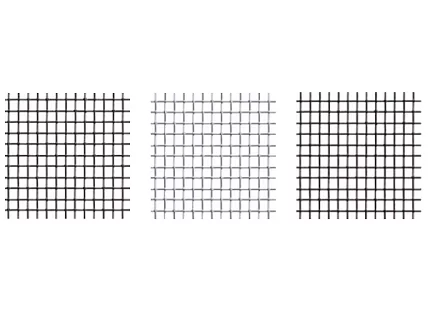
| Weaving Method | Plain weave; other weaving requirements subject to technical confirmation |
| Common Mesh Counts | 14 × 14, 17 × 15, 18 × 16 and 30 × 30 |
| Common Wire Diameters | 0.23–0.40 mm for the listed standard configurations |
| Available Width | 20–3500 mm, subject to mesh specification and production confirmation |
| Available Length | Up to 1000 m per roll, subject to wire diameter, width and packaging requirements |
| Surface Finish | Natural bright finish, silver finish, epoxy powder coating or polyester powder coating |
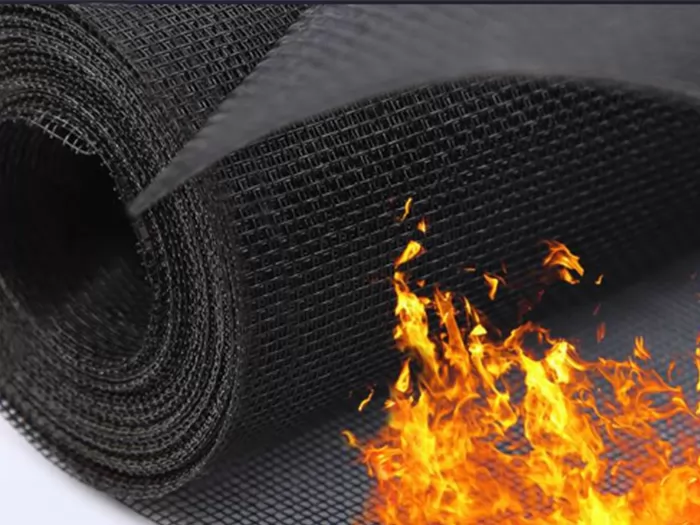
| Available Colors | Silver, black, blue and customized colors subject to coating requirements |
| Customization | Alloy, temper, mesh count, wire diameter, width, length, color, coating and packaging |
| Material | Mesh Count | Wire Diameter | Available Width | Available Length | Surface Options |
| AL5000 Series | 14 × 14 | 0.40 mm | 20–3500 mm | Up to 1000 m | Natural bright, silver or powder coated |
| AL5000 Series | 17 × 15 | 0.23 mm | |||
| AL5000 Series | 18 × 16 | 0.25 mm | |||
| AL5000 Series | 18 × 16 | 0.28 mm | |||
| AL5000 Series | 30 × 30 | 0.30 mm |
The specifications above are commonly produced configurations rather than a limitation of the product range. Custom mesh counts, wire diameters and roll sizes can be evaluated according to the required aperture, open area, strength and downstream processing method.
Mesh count indicates the number of openings per linear inch. For example, an 18 × 16 mesh has 18 openings per inch in one direction and 16 openings per inch in the other direction.
Mesh count alone does not determine filtration or airflow performance. Two products with the same mesh count can have different aperture sizes and open areas if their wire diameters are different.
For a square woven mesh using the same mesh count in both directions, the approximate clear opening can be calculated as:
Clear opening in millimeters = 25.4 ÷ mesh count − wire diameter in millimeters
Before ordering aluminum mesh for filtration, screening or ventilation, purchasers should confirm:
●Required clear opening or retained particle size
●Minimum acceptable open-area percentage
●Airflow or pressure-drop requirements
●Required wire strength and dimensional stability
●Allowable mesh-count and wire-diameter tolerances
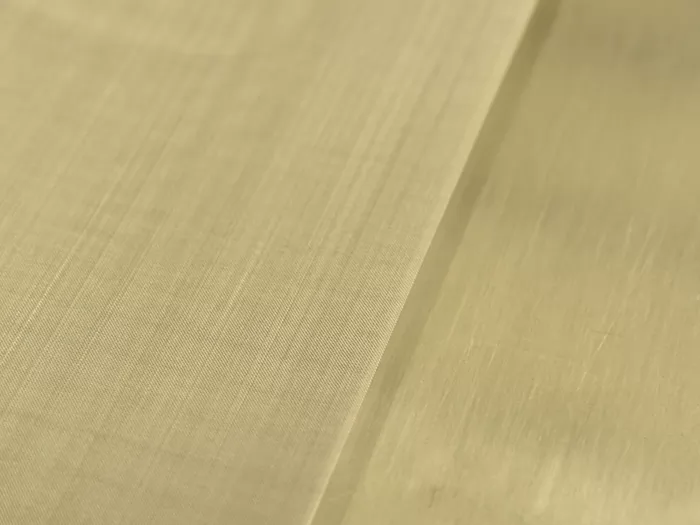
Natural aluminum alloy wire mesh has a metallic silver appearance and does not require an additional color coating. It is suitable where low weight, conductivity or the natural aluminum appearance is required.
Epoxy powder coating creates a protective and visually uniform layer on the woven mesh. It is commonly considered for indoor filters, equipment components and applications requiring controlled coating adhesion and color.
Polyester coating can be selected for applications where outdoor color stability and weather resistance are important. The final coating system should be specified according to UV exposure, operating temperature, humidity and corrosion requirements.
Buyers should define the required coating color, coating thickness, adhesion, flexibility, salt-spray performance and operating temperature before production. Coating performance depends on the complete coating specification and should not be determined by color alone.
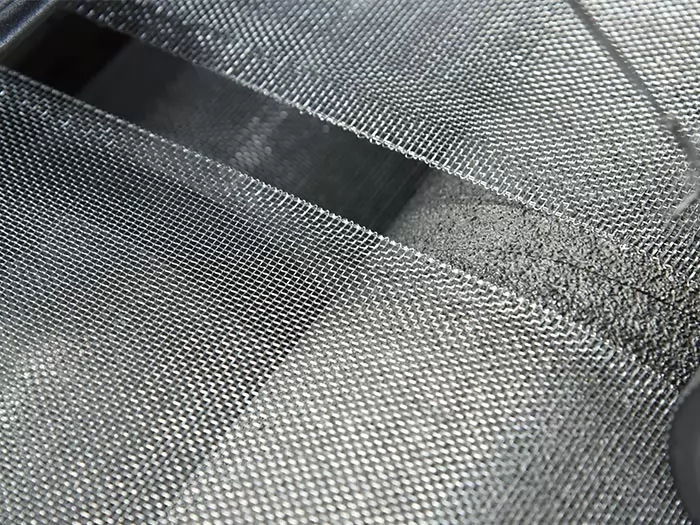
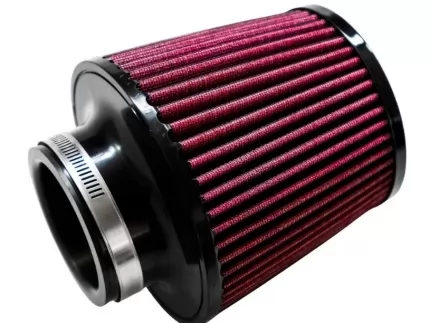
● Air filter support mesh: Lightweight support layers for HVAC, automotive and industrial air-filter structures.
● Ventilation screens: Air inlets, outlets, cabinets and equipment openings requiring airflow and debris control.
● Powder and particle screening: Separation applications where the selected aperture matches the required particle size.
● Window and insect screens: Lightweight woven mesh for residential, commercial and industrial openings.
● Marine and coastal equipment: Selected 5000-series alloys for components exposed to salt-containing air and humidity.
● Architectural applications: Decorative screens, ceiling components, interior panels and lightweight protective mesh.
● Automotive components: Filter supports, ventilation parts and protective screens manufactured according to approved drawings and specifications.
● Electrical applications: Conductive mesh components where alloy, electrical contact and grounding requirements are properly defined.
● Machinery protection: Lightweight guards for openings that do not require the higher mechanical strength of steel mesh.
Use in aerospace, military, pressure-bearing, fire-rated or safety-critical systems requires application-specific material documentation, testing and customer approval. Standard commercial aluminum alloy wire mesh should not automatically be described as certified for these systems.
| Comparison | Aluminum Alloy Wire Mesh | Stainless Steel Wire Mesh |
| Weight | Approximately one-third the weight of stainless steel by volume | Heavier |
| Mechanical Strength | Suitable for lightweight and moderate-load applications | Generally provides higher strength and wear resistance |
| Corrosion Resistance | Good in many atmospheric and marine environments when the correct alloy is used | Generally better for demanding chemical, high-temperature and high-wear environments |
| Fabrication | Relatively easy to cut, slit and form | Requires greater forming and cutting force |
| Electrical Conductivity | Good electrical conductivity | Lower conductivity than aluminum |
| Temperature Resistance | Lower melting point and lower high-temperature strength | Better suited to high-temperature service |
| Typical Selection Reason | Low weight, ease of fabrication and transportation efficiency | Strength, wear resistance and demanding environmental performance |
Aluminum mesh should be selected when reducing weight is more important than maximizing strength or high-temperature performance. Stainless steel is normally more suitable when the mesh will experience heavy impact, abrasion, strong chemicals or elevated temperatures.
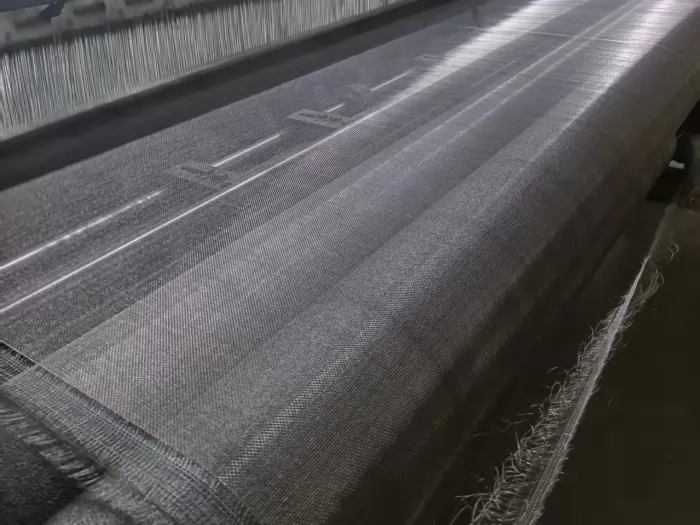
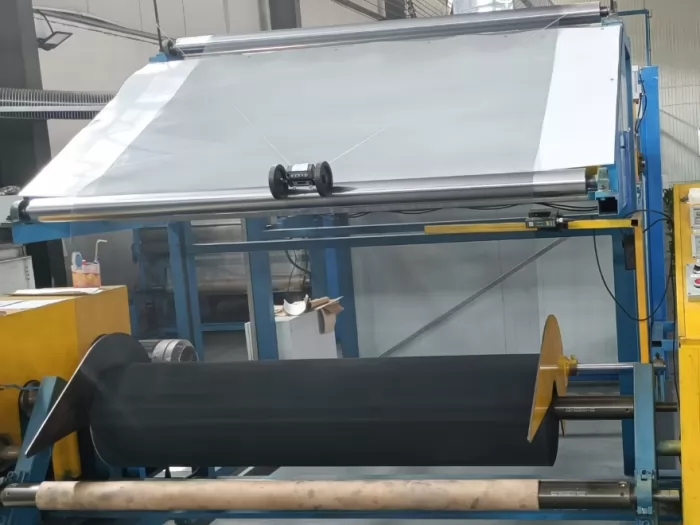
Hebei Jiushen Wire Weaving Co., Ltd. has focused on wire weaving since 1998. The company operates a 20,000 m² site with approximately 15,000 m² of production workshop and 5,000 m² of logistics space.
●100+ production and auxiliary machines: Equipment supports warping, weaving, inspection, coating, slitting and packaging.
●Approximately 8 million m² annual output: Company-wide production capacity supports repeat purchasing programs and volume orders.
●Integrated coating capability: Aluminum mesh can be supplied with natural or powder-coated surfaces according to the order.
●Standard and custom production: Jiushen supports common specifications, private customization and non-standard product development.
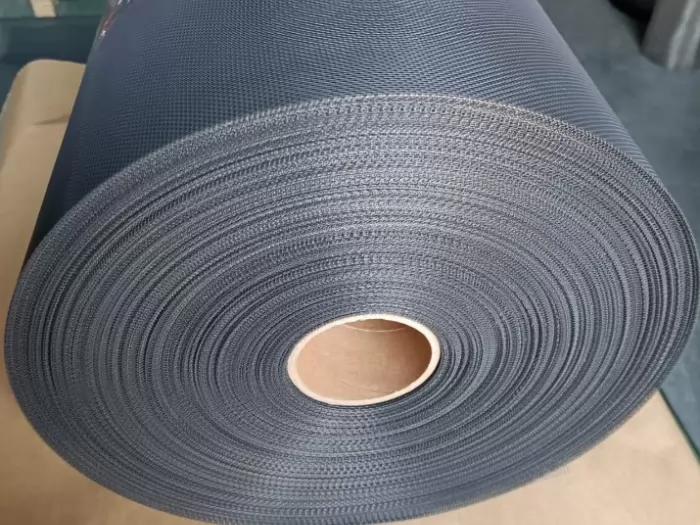
●Long-roll capability: Selected aluminum mesh specifications can be produced in long rolls to reduce roll changes during downstream processing.
●Application-based development: Material, mesh and coating requirements can be reviewed according to the customer's processing method.
Learn more about Jiushen's production capacity and wire weaving experience.
Jiushen operates an ISO 9001:2015 quality management system and applies inspection controls to raw materials, weaving, coating and finished products. Inspection requirements can be adjusted according to the product specification and customer documentation requirements.
Verify the aluminum alloy wire. Raw material inspection can include alloy analysis, wire-diameter measurement and tensile testing.
Control the weaving process. Operators monitor mesh count, wire alignment, opening uniformity and surface flatness during production.
Inspect semi-finished mesh. The mesh is checked for arching, deformation, broken wires and irregular openings before further processing.
Control the coating process. Coated products can be inspected for color consistency, coating coverage, adhesion and visible surface defects.
Inspect finished rolls. Width, length, mesh count, wire diameter, aperture, flatness, coating and appearance are checked against the order specification.
Maintain traceability. Material, equipment, processing and inspection information can be recorded and linked to the order number.
Available inspection equipment includes a spectrometer, micrometer, universal tensile tester, salt-spray tester, impact tester and optical magnification equipment. ASTM B95/B95M, ASTM E2016, ISO 9044-related inspection methods and customer-specific requirements can be discussed during order confirmation.
View Jiushen's complete quality control process.
●5052, 5056 and 5154 aluminum alloy wire
●Project-specific alloy and temper requirements
●Mesh count, aperture and open-area requirements
●Wire diameter and dimensional tolerance
●Roll width and roll length
●Natural, bright, silver or powder-coated finish
●Black, blue and customized coating colors
●Slitting and roll preparation
●Packaging, identification and traceability labels
Application: Filtration, HVAC, ventilation, window screen, architecture, electrical component or equipment protection.
Operating environment: Indoor, outdoor, coastal, humid, chemically exposed or high-temperature.
Alloy and temper: 5052, 5056, 5154 or another specified aluminum grade and temper.
Mesh specification: Mesh count, required aperture or retained particle size.
Wire diameter: Required diameter and acceptable tolerance.
Roll dimensions: Width, length and any restrictions imposed by downstream equipment.
Surface requirement: Natural finish, powder-coating type, color and coating-performance requirements.
Quality documentation: Material records, inspection reports, traceability or customer-specific standards.
Commercial information: Required quantity, delivery destination and requested schedule.
The 5000 series consists primarily of aluminum-magnesium alloys. Magnesium improves strength and contributes to corrosion resistance, making alloys such as 5052, 5056 and 5154 suitable for many woven mesh applications.
5052 is normally a practical general-purpose choice because it balances corrosion resistance, formability and cost. The final selection should still consider environmental exposure, wire strength and downstream fabrication.
5056 and 5052 are commonly considered for salt-containing air and humid environments. However, suitability depends on the duration of exposure, coating, maintenance, contact with other metals and whether the mesh is exposed to continuous saltwater immersion.
Aluminum performs well in many normal atmospheric environments but can be attacked by strong alkalis, hydrochloric acid, hydrofluoric acid and other incompatible chemicals. Jiushen should be informed of the chemical name, concentration and operating temperature before material selection.
Yes. Custom combinations can be evaluated according to the required aperture, open area, strength, roll dimensions and order quantity. Manufacturing feasibility depends on aluminum wire availability and weaving stability.
Opening size is determined by both mesh count and wire diameter. Increasing the wire diameter while maintaining the same mesh count reduces the clear opening and open-area percentage.
Yes. Jiushen offers epoxy and polyester powder-coating options. The coating type should be selected according to indoor or outdoor use, UV exposure, temperature, humidity, color and adhesion requirements.
It may be used only when the alloy, temper, dimensional tolerances, inspection methods, traceability and performance meet the customer's approved specification. Standard commercial mesh is not automatically aerospace-, military- or automotive-certified.
Use fresh water, a soft cloth or brush and a mild neutral detergent. Avoid abrasive tools, strongly alkaline cleaners and incompatible acidic cleaners that may attack the aluminum surface or coating.
Price is influenced by alloy grade, wire diameter, mesh count, roll width, roll length, coating, color, dimensional tolerance, inspection documentation, packaging and order quantity.
Tell Jiushen how the mesh will be used and which factors matter most: low weight, corrosion resistance, aperture control, airflow, coating performance or downstream fabrication. Our team will help confirm the alloy and mesh specification before quotation.
Contact Jiushen for custom specifications, manufacturing support and factory pricing.
Aluminum Alloy Wire Mesh
Aluminum Alloy Wire Mesh
Copyright © Hebei Jiushen Wire Weaving Co., Ltd. All Rights Reserved. |
Sitemap
| Technical Support: