+86 182 3185 8969
+86 182 3185 8969

Window Screen Mesh
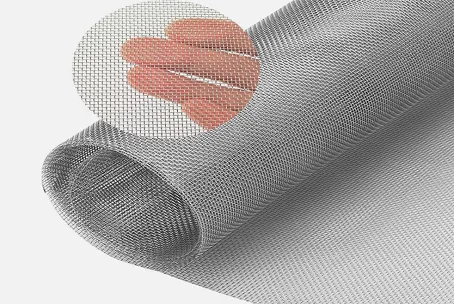
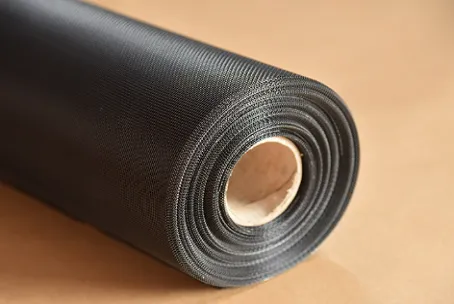
Jiushen Wire Mesh manufactures woven metal window screen mesh for window and door fabricators, distributors, contractors, property developers, and project buyers. Our core supply includes window screen mesh rolls rather than complete windows or finished doors.
We provide stainless steel, aluminum, galvanized steel, flame-retardant stainless steel, bronze, and copper mesh options for different insect protection, ventilation, visibility, durability, and environmental requirements.
Standard and project-specific configurations are available according to the required material, mesh count, wire diameter, roll width, roll length, finish, edge condition, packaging, and order quantity.
Window screen mesh is used to help prevent mosquitoes, flies, gnats, and other insects from entering buildings while allowing air and natural light to pass through.
For B2B buyers, the material alone does not determine the final performance of a screen. Mesh opening, wire diameter, weave uniformity, surface finish, frame compatibility, and installation conditions must also be considered.
Our window screen mesh is suitable for:
Window and door manufacturers
Screen fabricators
Building contractors
Property developers
Wholesalers and distributors
Agricultural projects
Commercial and industrial facilities
Replacement screen programs
The right specification depends on whether the project prioritizes lightweight handling, corrosion resistance, high mechanical strength, visual appearance, cost control, or long service life.
Stainless steel window screen mesh is suitable for projects that require higher strength, long-term dimensional stability, and resistance to physical damage.
Common material options include SS304 and SS316. SS304 is generally used for standard residential, commercial, and industrial environments, while SS316 is often considered for coastal, humid, and chloride-exposed locations.
Typical applications include:
Coastal buildings
High-humidity environments
Commercial and industrial properties
High-traffic windows and doors
Pet-resistant screen systems
Security-focused applications
Agricultural and ventilation openings
Stainless steel mesh can also be supplied in standard, heavy-duty, high-tensile, and high-visibility configurations, depending on the required mesh opening and wire diameter.
Aluminum window screen mesh is a practical choice for standard window and door screening where low weight, easy handling, and cost-performance are important.
Aluminum mesh is suitable for:
Residential windows
Apartment buildings
Commercial windows and doors
Standard insect screening
Replacement screen programs
Projects requiring lightweight metal mesh
It provides a balance between durability, visibility, ventilation, and installation convenience. The final performance depends on the selected alloy, mesh count, wire diameter, surface treatment, and frame system.
The high-visibility flame-retardant window screen is designed for projects that require a clearer outward view, comfortable airflow, and additional flame-retardant performance.
This type of screen may be considered for:
High-end residential buildings
Commercial properties
Projects with clear-view requirements
Applications requiring additional protection
Window and door systems where appearance is important
Material selection, flame-retardant performance, mesh opening, and local project requirements should be confirmed before production.
Galvanized iron wire insect screen is a cost-conscious metal option for projects that require basic insect screening and broad availability.
It may be considered for:
General indoor or protected outdoor applications
Agricultural buildings
Budget-sensitive construction projects
Standard insect barrier applications
Projects where initial material cost is a major consideration
Because galvanized steel performance depends on the zinc coating and service environment, buyers should confirm the expected humidity, exposure, coating requirement, and service life before placing an order.
High-tensile stainless steel insect screen is suitable for applications that require a stronger screen structure, better resistance to deformation, and improved visibility.
This option may be used for:
High-traffic buildings
Heavy-duty window and door screens
Pet-resistant applications
Projects requiring high mechanical strength
Screens where fine wire and outward visibility are important
The final performance depends on the combination of mesh count, wire diameter, material grade, frame design, and installation method.
Bronze and copper mesh may be selected for architectural, decorative, traditional, and premium building projects. These materials provide a distinctive appearance and can complement specific building designs.
Before ordering, buyers should confirm:
Required color and surface appearance
Expected patina or color change
Cleaning requirements
Environmental exposure
Mesh opening and wire diameter
Compatibility with the window frame
Availability and production feasibility should be confirmed according to the required material, size, quantity, and finish.
The screen material should match the environment where it will be installed.
Coastal or chloride-exposed areas: Stainless steel, especially an appropriate grade, should be considered.
General residential and commercial environments: Aluminum or SS304 may be suitable depending on strength and budget requirements.
Humid outdoor applications: Confirm corrosion resistance, surface treatment, and frame compatibility.
Protected or cost-sensitive applications: Galvanized steel may be considered after evaluating the expected service conditions.
High-traffic or impact-prone areas: Stainless steel or high-tensile mesh may provide a more suitable solution.
For a detailed material comparison, read our guide to aluminum vs. stainless steel window screen mesh.
Different projects require different performance priorities.
Insect protection: Confirm the target insects and required mesh opening.
Airflow: Avoid selecting an opening that is unnecessarily fine for the application.
Visibility: Consider mesh count, wire diameter, color, and surface reflection.
Strength: Evaluate wire diameter, weave structure, frame support, and physical contact.
Corrosion resistance: Match the material grade and surface condition to the environment.
Cost control: Compare material price with expected service life, installation labor, and replacement frequency.
For a wider comparison of available screen materials, see our insect-proof window screen mesh material guide.
The selected mesh must be suitable for the frame and downstream fabrication process.
Before ordering, confirm:
Required screen width
Cutting method
Edge condition
Frame groove or fastening system
Roll handling equipment
Required tension
Finished panel dimensions
Packaging and labeling requirements
A mesh that is suitable for one frame system may not be suitable for another. Sample testing can help confirm cutting, forming, tensioning, and installation performance before mass production.
| Specification Item | What Buyers Need to Confirm |
|---|---|
| Material and grade | Stainless steel, aluminum, galvanized steel, bronze, or copper |
| Mesh count | Number of openings and required insect-blocking performance |
| Mesh opening | Balance between insect protection, airflow, and visibility |
| Wire diameter | Strength, stiffness, weight, and visual appearance |
| Weave type | Plain weave, cross weave, or other agreed construction |
| Edge condition | Selvage, rough edge, cut edge, or project-specific preparation |
| Surface finish | Natural, coated, black, gray, silver, white, or other requested finish |
| Roll width | Compatible with cutting and fabrication requirements |
| Roll length | Standard or project-specific length |
| Packaging | Cartons, pallets, labels, moisture protection, and surface protection |
| Quantity | Trial order, regular supply, or project volume |
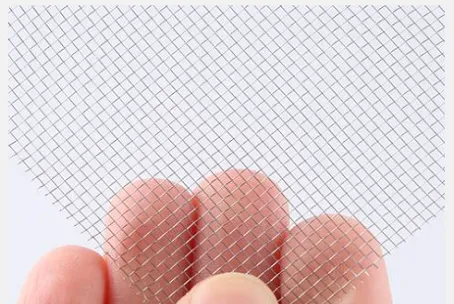
Mesh count and wire diameter should be considered together. A finer mesh may help block smaller insects, but it may also affect airflow, visibility, material usage, and total cost.
Jiushen supports standard production, private customization, and non-standard window screen mesh development.
Depending on the material and project requirements, customization may include:
Material type and grade
Mesh count
Mesh opening
Wire diameter
Roll width
Roll length
Surface finish
Coating or color
Edge treatment
Slitting and roll preparation
Packaging and labeling
Inspection and traceability requirements
Custom roll dimensions can help fabricators reduce cutting waste and improve material utilization. Buyers should provide drawings, existing specifications, samples, or application photos when available.
Jiushen Wire Mesh has focused on wire weaving since 1998. The company operates a 20,000 m² site, including approximately 15,000 m² of production workshop space.
Production capabilities include:
Nearly 100 weaving looms
Annual output of approximately 8,000,000 m²
Single weaving width up to 2,700 mm
Standard and custom mesh production
Roll preparation and packaging support
Non-standard product development
Export-oriented order handling
Our production capacity supports repeat orders, distributor supply programs, replacement screen projects, and larger construction requirements.
Production feasibility depends on the selected material, mesh count, wire diameter, roll dimensions, finish, quantity, and required delivery schedule.
Consistent mesh quality is important for fabricators and distributors because variations in opening size, wire diameter, roll width, or flatness can increase processing waste.
Quality checks may cover:
Raw material identification
Wire diameter
Mesh count
Mesh opening uniformity
Roll width and length
Mesh flatness
Edge condition
Surface appearance
Coating or finish
Packaging and labeling
Jiushen operates an ISO 9001 quality management system. The company also holds IATF 16949 certification and uses inspection procedures to support production consistency and order traceability.
The quality control process can be reviewed according to the buyer’s inspection requirements and project documentation needs.
Aluminum and stainless steel mesh can be used for residential window, door, porch, and ventilation screening. The selection depends on local climate, expected physical contact, appearance, and budget.
Office buildings, hotels, retail properties, schools, and apartment projects may require consistent roll dimensions, stable mesh openings, and reliable supply for multiple buildings or replacement phases.
Stainless steel mesh is often considered for buildings exposed to salt air, humidity, condensation, or frequent rainfall. The appropriate material grade should be selected according to the actual exposure conditions.
Window screen mesh can be used for livestock buildings, orchard structures, protected planting areas, and agricultural ventilation openings where insect control and airflow are required.
Metal screen mesh can help limit the entry of insects and larger airborne debris while allowing air to pass through ventilation openings and equipment enclosures.
High-tensile or heavy-duty stainless steel mesh may be suitable where the screen is exposed to frequent handling, pets, impact, or other physical stress. The frame, fasteners, locks, and installation system should also be evaluated as part of the complete assembly.
To receive an accurate quotation, buyers should provide:
Application and installation location
Indoor or outdoor environment
Coastal, humid, industrial, or standard exposure
Required material and grade
Mesh count or mesh opening
Wire diameter
Roll width and roll length
Surface finish or color
Edge treatment
Required quantity
Packaging and labeling requirements
Delivery destination and expected schedule
Providing complete information helps confirm production feasibility, material usage, packaging requirements, and inspection arrangements before order confirmation.
We supply stainless steel, aluminum, galvanized steel, flame-retardant stainless steel, bronze, and copper window screen mesh options. Availability depends on the required mesh specification, size, finish, and order quantity.
Stainless steel should generally be considered for coastal and chloride-exposed projects. The appropriate stainless steel grade depends on the exposure level, required service life, and project specification.
Yes. Customization may include mesh count, wire diameter, roll width, roll length, surface finish, edge treatment, packaging, and labeling. Non-standard requirements should be reviewed before production.
The correct mesh count depends on the target insects, required airflow, visibility, wire diameter, and frame design. A finer mesh is not automatically better because it may reduce airflow and increase material consumption.
Yes. Window screen mesh can be supplied in standard or project-specific roll widths and lengths. Roll dimensions should be confirmed according to the buyer’s cutting, fabrication, storage, and packaging requirements.
Heavy-duty stainless steel mesh can provide higher resistance to impact, tearing, and deformation than standard insect screening. However, certified security performance depends on the complete screen assembly, including the frame, fasteners, locks, and installation system.
Send the required material, grade, mesh count, wire diameter, roll size, quantity, application, surface finish, packaging requirements, and delivery destination through the contact page.
Choosing the correct window screen mesh requires more than comparing material prices. The mesh opening, wire diameter, roll dimensions, surface finish, frame compatibility, and installation environment should all be considered together.
Jiushen Wire Mesh supplies metal window screen mesh for fabricators, distributors, contractors, and project buyers. Share your application, technical requirements, and order quantity to receive a suitable material recommendation and quotation.
Copyright © Hebei Jiushen Wire Weaving Co., Ltd. All Rights Reserved. |
Sitemap
| Technical Support: