+86 182 3185 8969
+86 182 3185 8969

When selecting window screen mesh for a residential development, commercial building, replacement program, or distribution business, aluminum and stainless steel are two of the most widely considered metal options.
Both materials can provide reliable insect protection, ventilation, and visibility when the correct mesh opening and wire diameter are selected. However, they differ significantly in strength, weight, corrosion resistance, fabrication, service life, and total project cost.
The better choice depends on the application rather than the material name alone. Aluminum is often preferred for lightweight and cost-sensitive projects, while stainless steel is more suitable for demanding environments that require higher mechanical strength and longer service life.
| Comparison Factor | Aluminum Screen Mesh | Stainless Steel Screen Mesh |
|---|---|---|
| Weight | Lightweight and easy to handle | Heavier than aluminum at comparable specifications |
| Strength | Suitable for standard insect screen applications | Higher resistance to impact, tearing, and deformation |
| Corrosion resistance | Good for normal outdoor conditions; finish and environment matter | Excellent when the appropriate grade and finish are selected |
| Installation | Easier to cut, form, and install | Requires more accurate cutting and frame preparation |
| Visibility and airflow | Good with suitable mesh opening | Good, depending on mesh count and wire diameter |
| Initial cost | Generally more economical | Usually higher |
| Service life | Suitable for normal residential and commercial use | Better for demanding or high-traffic environments |
| Best suited for | General windows, doors, and commercial buildings | Coastal, industrial, security, and high-impact applications |
There is no universal winner. For a standard window screen project, aluminum may provide the best balance of weight, cost, and performance. For coastal buildings, industrial facilities, pet-resistant screens, or applications exposed to frequent physical contact, stainless steel may provide better long-term value.
Strength is one of the clearest differences between aluminum and stainless steel window screen mesh.
Aluminum is strong enough for many standard window and door screens. It is suitable for residential buildings, commercial properties, schools, offices, hospitality projects, and general insect protection. Its low weight also makes it easier to handle during cutting, forming, and installation.
However, aluminum mesh can be dented, bent, or deformed by heavy impact. Improper handling, excessive tension, or contact with tools may leave permanent marks on the screen.
Stainless steel generally provides higher tensile strength and better resistance to tearing, puncture, and repeated physical contact. It is often considered when screens may be exposed to pets, children, high traffic, cleaning equipment, or industrial handling.
The final strength of either material also depends on:
Wire diameter
Mesh count
Mesh opening
Weave quality
Frame construction
Installation tension
Screen size
A heavier material is not automatically the best solution. Buyers should select a specification that provides sufficient strength without unnecessarily reducing visibility, airflow, or installation efficiency.
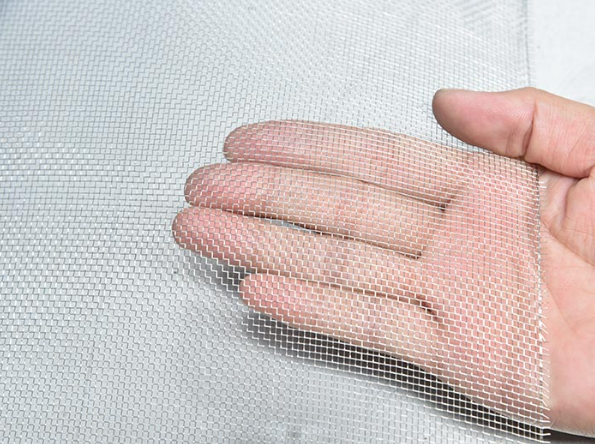
Corrosion resistance is particularly important for outdoor screens and projects located in coastal or humid areas.
Aluminum naturally forms a protective oxide layer, which helps it resist normal outdoor exposure. It is suitable for many residential and commercial installations, especially when the screen has an appropriate finish or coating.
However, aluminum may be affected by salt deposits, acidic pollution, prolonged moisture, or contact with incompatible metals. Coastal and industrial projects should therefore consider the alloy, surface treatment, frame material, and installation environment together.
Stainless steel is generally better suited to environments where moisture, condensation, salt air, or industrial pollutants are present. Its corrosion resistance depends on the selected grade, wire quality, surface condition, and exposure conditions.
For demanding projects, the stainless steel grade should be confirmed before production. The material should not be described as completely immune to corrosion, because performance depends on the actual environment and specification.
When evaluating corrosion resistance, bulk buyers should consider:
Coastal exposure
Rainfall and humidity
Indoor or outdoor installation
Cleaning chemicals
Industrial pollutants
Contact with other metals
Required service life
Maintenance access
For more than a general material comparison, buyers can review our stainless steel window screen mesh options and confirm the suitable specification for the project environment.
Aluminum is lighter than stainless steel, which can simplify transportation, storage, cutting, and installation. This is useful for large quantities of window screen mesh, replacement programs, and projects where installers need to handle many rolls or finished screen panels.
Its lower weight may also reduce handling effort during fabrication. Aluminum is easier to cut and form with standard tools, although excessive bending can damage the mesh or affect its appearance.
Stainless steel is more rigid and requires more control during fabrication. Cutting, forming, and tensioning may require suitable tools and a properly prepared frame. If the screen is installed incorrectly, the higher strength of stainless steel will not compensate for poor alignment or inadequate support.
For bulk projects, installation efficiency should be evaluated together with material cost. A lower-priced mesh may not be the most economical choice if it causes more damage, rework, or installation waste.
Before placing a large order, request or evaluate a sample for:
Cutting performance
Edge stability
Flatness
Forming behavior
Frame compatibility
Surface appearance
Tensioning requirements
Both aluminum and stainless steel can provide good visibility and airflow when the mesh opening is properly selected.
The material itself does not determine insect protection by itself. Mesh count, opening size, wire diameter, and weave uniformity are equally important.
A smaller opening can block smaller insects, but it may reduce ventilation and natural light. A larger opening can improve airflow and visibility but may allow smaller insects to pass through.
For this reason, buyers should define the performance requirement first:
Which insects must be blocked?
Is mosquito protection required?
Is the screen used for a window, door, vent, or enclosure?
How much airflow is needed?
Is outward visibility important?
Will the screen be used in a bright or shaded area?
Aluminum and stainless steel are both available in different mesh specifications. The final choice should be based on the required opening and wire diameter rather than selecting a material without defining the screen structure.
If the project requires a broader explanation of insect blocking, mesh opening, ventilation, and visibility, see our guide to the best material for insect-proof window screen mesh.
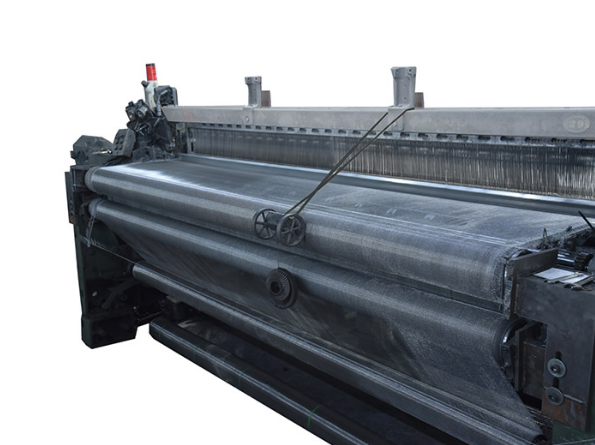
Aluminum window screen mesh is generally easy to maintain. Dust and debris can usually be removed with a soft brush, clean water, or a mild detergent solution. Coated or finished aluminum should be cleaned with products that are compatible with the surface treatment.
Because aluminum is softer than stainless steel, the screen should be protected from sharp tools and heavy impact during maintenance or replacement.
Stainless steel normally provides better resistance to mechanical wear and repeated handling. It may require fewer replacements in high-traffic or demanding environments. However, it should still be cleaned regularly, especially in coastal locations where salt deposits can accumulate on the surface.
Maintenance requirements depend on:
Indoor or outdoor exposure
Local humidity and pollution
Contact with salt or chemicals
Cleaning frequency
Surface finish
Frame and fastening condition
A screen with a longer expected service life may have a higher initial price but lower replacement and labor costs over the life of the project.
Aluminum is generally selected when the buyer needs a lightweight metal screen at a controlled initial cost. It can be an economical choice for standard residential developments, commercial windows, doors, and general insect protection.
Stainless steel usually has a higher initial material cost. It may also require more specialized handling or fabrication. However, its higher strength and longer service life can make it more economical for applications where screen failure, replacement, or downtime would be expensive.
When comparing quotations, do not compare material price alone. Evaluate:
Material grade
Mesh opening
Wire diameter
Roll width
Roll length
Surface finish
Packaging
Cutting and fabrication loss
Expected replacement frequency
Installation labor
Delivery requirements
For distributors and fabricators, consistency between production batches can be as important as the initial unit price. Dimensional variation, uneven edges, or inconsistent mesh openings may increase processing waste and affect the final screen assembly.
Aluminum is often a practical option for standard residential window and door screens. It provides reliable insect protection, good airflow, low weight, and relatively easy installation.
Fiberglass may also be considered when flexibility and the lowest initial cost are more important than metal strength.
Aluminum is suitable for many offices, schools, hotels, apartment buildings, and commercial properties. It provides a balanced combination of handling convenience, appearance, and performance.
Stainless steel may be preferable when screens are exposed to frequent use, cleaning, physical contact, or a higher risk of damage.
Stainless steel is generally the safer choice for coastal buildings, marine-influenced environments, and high-humidity applications where corrosion resistance and service life are major concerns.
Aluminum can still be used in suitable conditions, but buyers should confirm the alloy, finish, frame compatibility, and expected salt exposure before ordering.
Stainless steel is generally better suited to screens exposed to scratching, impact, or repeated contact. The final result also depends on the frame, edge fixing, wire diameter, and installation quality.
A standard aluminum screen may not be suitable where animals can push against or scratch the mesh regularly.
For industrial buildings, ventilation openings, equipment enclosures, and projects exposed to harsh conditions, stainless steel may provide better long-term resistance to mechanical damage and environmental exposure.
The correct material should be selected together with the application temperature, cleaning process, chemical exposure, and required opening size.
Aluminum can be a suitable option for replacement programs where the project requires a metal insect screen with manageable weight and controlled cost.
The final decision should still consider the local environment and expected frequency of replacement. A lower initial price may not provide the lowest total project cost if the screen is exposed to heavy wear.
A clear specification helps reduce quotation errors, production delays, and material waste.
When requesting aluminum or stainless steel window screen mesh, provide:
Material type
Stainless steel grade, if applicable
Mesh count or opening size
Wire diameter
Weave type
Roll width
Roll length
Surface treatment
Color requirements
Edge condition
Packaging requirements
Required quantity
Intended application
Delivery destination
For window screen fabricators, roll width and edge quality can directly affect cutting efficiency and material waste. For distributors, stable packaging and consistent roll dimensions may be important for storage and resale.
You can review available window screen mesh options before confirming the technical requirements for your project.
Choose aluminum when the project prioritizes:
Lightweight handling
Easier installation
Moderate corrosion resistance
Standard residential or commercial use
Balanced initial cost
Good visibility and ventilation
Choose stainless steel when the project prioritizes:
Higher mechanical strength
Better resistance to impact and tearing
Coastal or high-humidity exposure
Longer service life
Pet-resistant or security-related performance
Industrial or high-traffic applications
Neither material should be selected only by comparing price per roll. The correct choice depends on the complete combination of environment, mesh opening, wire diameter, screen size, frame design, installation method, and service expectations.
Aluminum is usually better for lightweight, economical, and general-purpose window screens. Stainless steel is usually better for coastal, industrial, pet-resistant, security, and high-impact applications.
Stainless steel can be worth the higher initial cost when the screen must withstand demanding conditions or when replacement and maintenance would be expensive. For standard indoor or residential use, aluminum may offer better cost efficiency.
Aluminum may be suitable for moderate coastal exposure when the material, protective finish, frame, and installation conditions are properly selected. For severe salt-air exposure, stainless steel should also be evaluated.
Neither material automatically provides better airflow. Airflow depends mainly on mesh opening, mesh count, wire diameter, and the total screen area. The same opening and construction should be compared when evaluating materials.
Aluminum is generally easier to cut, form, and handle because it is lighter and softer. Stainless steel requires more accurate tools and fabrication control.
A bulk quotation normally requires the material, grade, mesh opening, wire diameter, roll width, roll length, finish, quantity, application, packaging, and delivery requirements.
Aluminum and stainless steel window screen mesh can both provide effective insect protection, but they serve different project priorities.
Aluminum is a practical choice for general residential and commercial applications where lightweight handling, easy installation, and controlled cost are important. Stainless steel is better suited to demanding environments where higher strength, corrosion resistance, and longer service life are required.
Before ordering, compare the complete mesh specification rather than the material name alone. Confirm the opening size, wire diameter, roll dimensions, surface finish, frame compatibility, and expected service conditions.
For bulk buyers who need support with material selection, mesh specifications, and project requirements, Jiushen can help evaluate a suitable window screen mesh solution based on the application and order details.
If you want to know more information about aluminum and stainless steel window screen mesh, please contact Jiushen to get the most competitive price today !

Copyright © Hebei Jiushen Wire Weaving Co., Ltd. All Rights Reserved. |
Sitemap
| Technical Support: