+86 182 3185 8969
+86 182 3185 8969

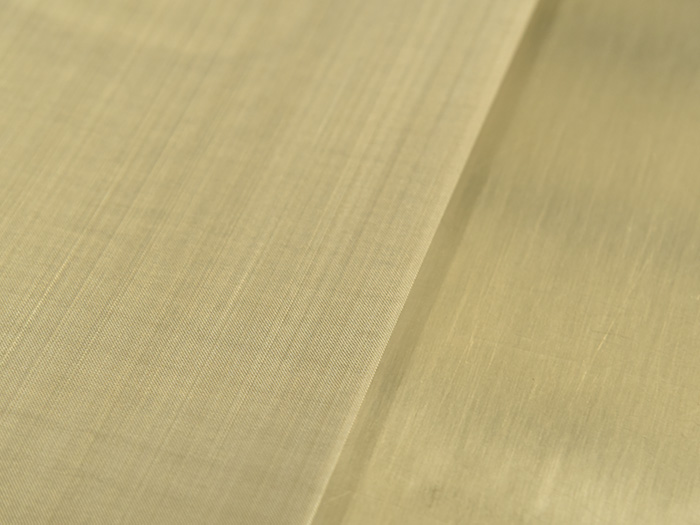
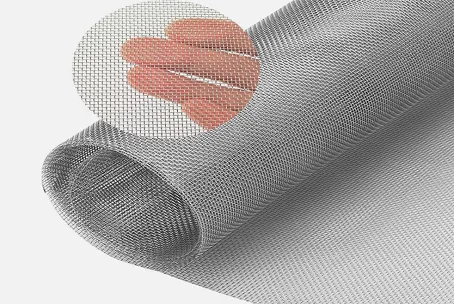
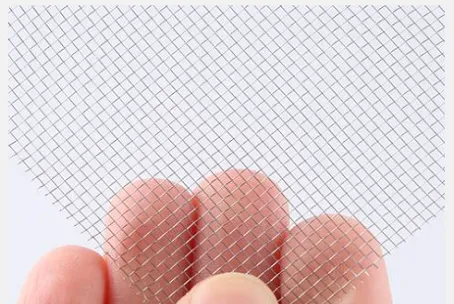
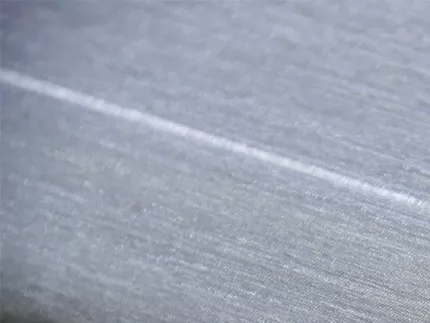
Precision-woven from 304, 316, and 316L stainless steel wire, Jiushen's woven wire cloth delivers consistent aperture control from 1×1 mesh down to 635×635 mesh.
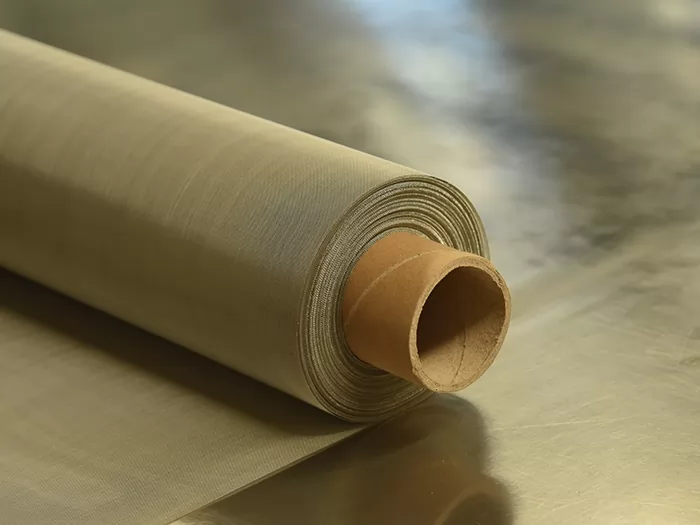
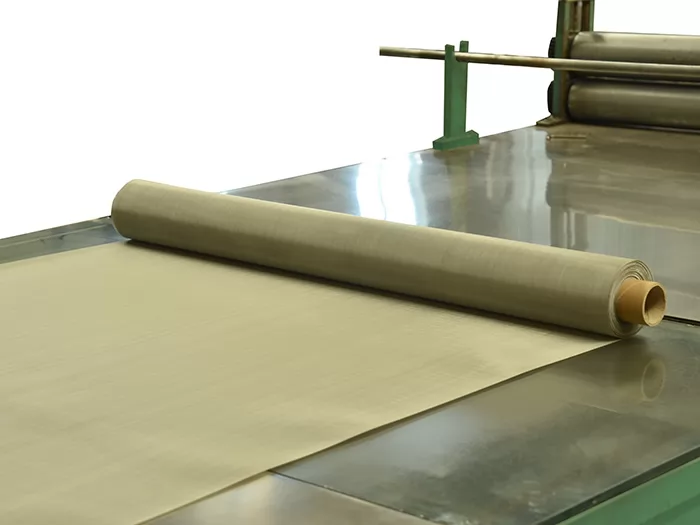
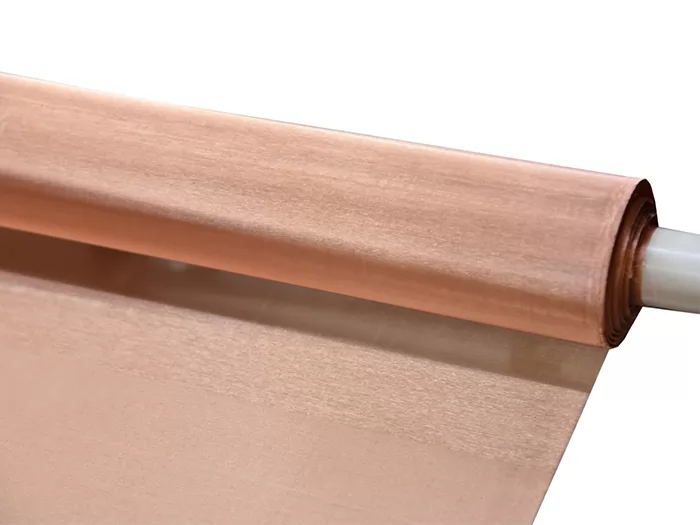
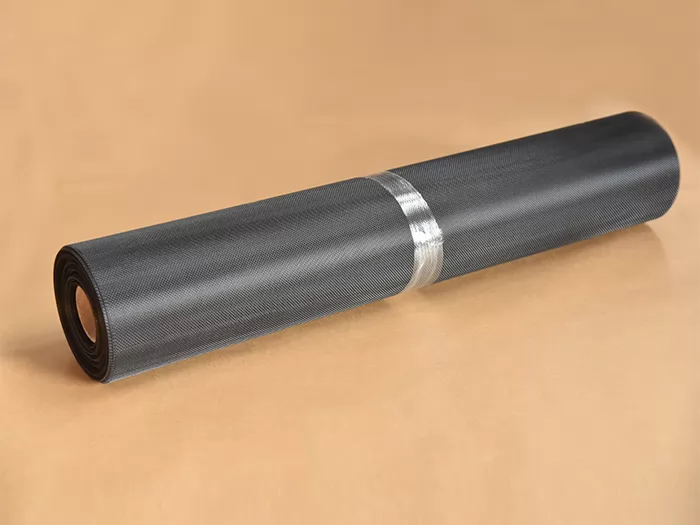
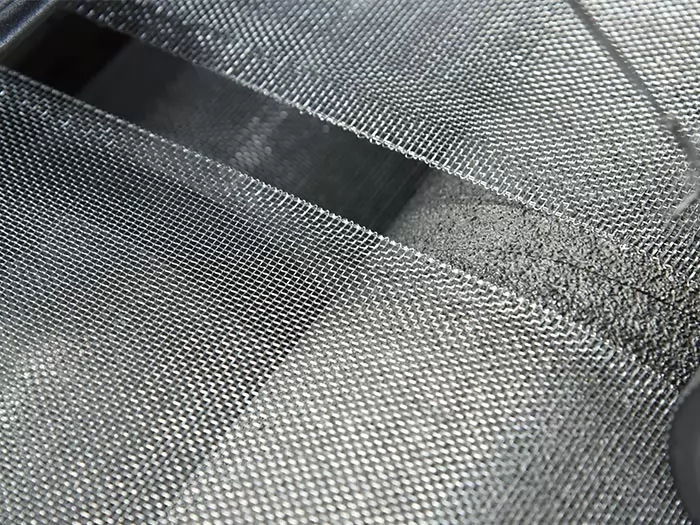
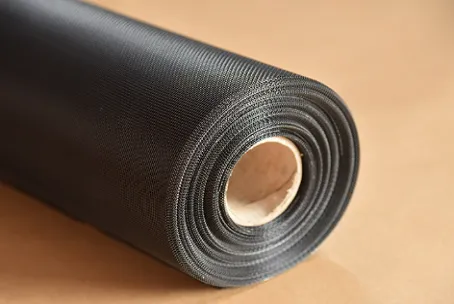
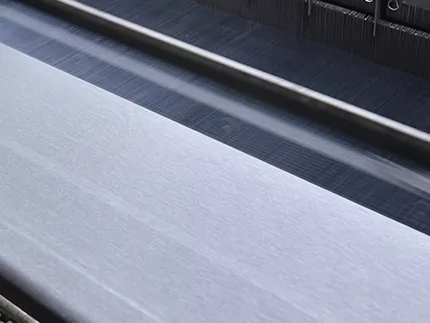
Stainless steel woven wire cloth — also referred to as wire mesh, wire screen, or wire fabric — is manufactured by interlacing stainless steel wires in a precise over-and-under pattern on industrial weaving looms. The result is a dimensionally stable, corrosion-resistant fabric whose controlled, repeatable apertures make it the preferred filtration medium across chemical processing, food production, pharmaceutical, petrochemical, and mining industries worldwide. At Jiushen, every roll is woven in our 15,000 m² facility in Anping County and inspected against ASTM E2016 / E2814 standards before shipment.
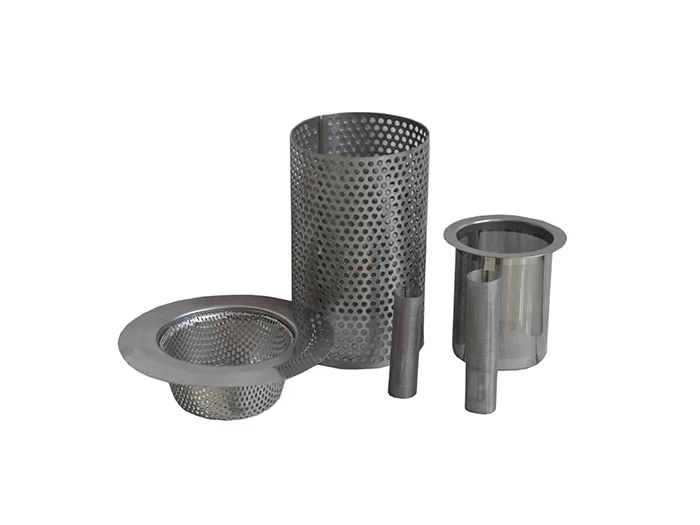
Unlike welded wire panels, woven wire cloth achieves extremely fine openings — down to 20 µm in plain weave and below 2 µm in Dutch twill configurations — while maintaining the flexibility needed for fabrication into filter discs, cylinders, cartridges, and flat panels. Jiushen offers eight weave architectures, five stainless steel alloy grades, and a maximum single-weave width of 2,700 mm, backed by an annual production capacity of 8,000,000 m².
| Parameter | Specification |
| Mesh Range | 1×1 to 635×635 (per inch) |
| Alloy Grades | 304, 304L, 316, 316L, 310 |
| Weave Patterns | 8 types (Plain, Twill, Dutch, Reverse Dutch, and more) |
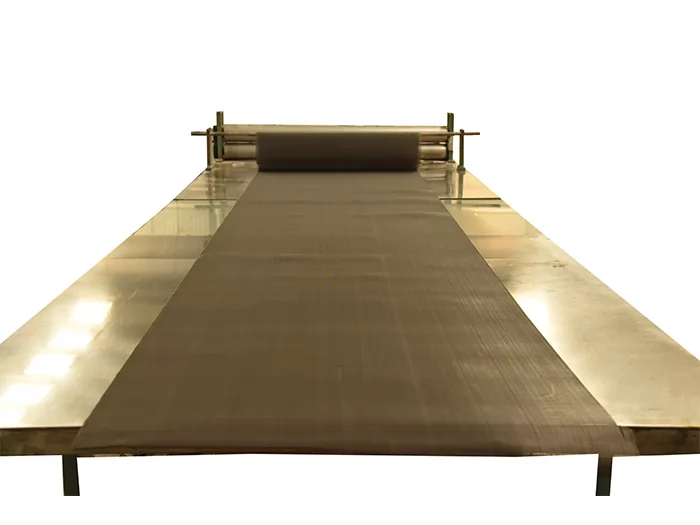
| Max Weave Width | 2,700 mm (single pass) |
| Filtration Rating | 2 µm (Twill Dutch) to 450 µm (Reverse Dutch) |
| Annual Capacity | 8,000,000 m² |
| Quality Standard | ISO 9001:2015 · ASTM E2016 · ASTM E2814 · ASTM A580 |
Weave architecture directly determines flow rate, pressure drop, particle retention, and mechanical strength. Jiushen produces all major industrial weave configurations on dedicated looms, each optimized for specific service conditions.
●Plain Weave (Square Weave)
One wire over, one wire under, with equal wire diameters in warp and weft directions. The most common construction, offering a balanced open area and mechanical stability across a wide mesh count range from 1×1 to 635×635. Aperture sizes range from approximately 21.4 mm down to 20 µm depending on mesh count and wire diameter.
●Twill Weave
A two-over, two-under offset pattern that accommodates heavier wire diameters at higher mesh counts. Produces a denser, more robust cloth for demanding mechanical screening and sieving applications where plain weave would be too fragile at the same mesh count.
●Plain Dutch Weave
Fine warp wires woven over heavier, closely packed shute wires to create a gradient-porosity structure. Delivers absolute filtration ratings from 18 µm to 340 µm. Widely preferred for liquid filtration systems, hydraulic oil strainers, and petrochemical separation equipment.
●Twill Dutch Weave
A two-over, two-under Dutch construction that achieves absolute filtration ratings down to 2–3 µm, making it one of the finest mechanical filtration media available in standard woven wire cloth. Ideal for polymer melt filtration and pharmaceutical fine filtration.
●Reverse Plain Dutch Weave
A high warp wire count woven through lighter shute wires, delivering superior mechanical strength perpendicular to the warp direction. Ideal for high-pressure back-flush applications, candle filter elements, and tubular filter fabrication.
●Reverse Dutch Twill Weave
Twill Dutch weave in reverse orientation, maximizing shute-wire density for fine absolute ratings (15–530 µm nominal) while retaining high differential pressure resistance. Commonly selected for candle filters, leaf filters, and high-flow process vessels.
●Herringbone Weave
Alternating twill blocks reversed at regular intervals create a V-shaped chevron surface pattern. Provides a visually distinctive, flat finish that is popular in architectural cladding, decorative infill panels, and premium industrial applications.
●Five-Heddle Weave
A one-over, four-under satin-type pattern that produces a smooth, nearly flat surface on one side. Preferred for conveyor belt underlays and any application where minimal contact friction on the mesh surface is required.
All incoming wire is verified on arrival using an in-house spectrometer and universal tensile testing machine in compliance with ASTM A580/A580M-18. Each spool is labeled, segregated, and stored by order number to ensure full raw material traceability.
| Grade | Composition | Key Property | Best For |
| 304 | 18% Cr, 8% Ni | Excellent general corrosion resistance | General filtration, food processing |
| 304L | 18% Cr, 8% Ni, low C | Prevents sensitization during welding | Welded filter cartridges and assemblies |
| 316 | 18% Cr, 10% Ni, 2–3% Mo | Superior pitting and chloride resistance | Marine, chemical processing, pharmaceutical |
| 316L | 18% Cr, 10% Ni, 2–3% Mo, low C | FDA-recognized, weld-safe Mo grade | Pharma, bioprocessing, FDA food contact |
| 310 | 25% Cr, 20% Ni | Oxidation resistance to 1,100 °C | High-temperature gas filtration, kilns |
Custom alloys including 321, 347, 904L, Duplex 2205, and Hastelloy are available on request. Please contact our engineering team with your service conditions for alloy recommendations.
Standard mesh counts, wire diameters, opening sizes, and open area percentages are listed below. Custom specifications beyond this range are available — contact our engineering team for non-standard configurations.
| Mesh (per inch) | Wire Dia (mm) | Opening (mm) | Open Area (%) |
| 1×1 | 4 | 21.4 | 71 |
| 4×4 | 1.6 | 4.75 | 56 |
| 10×10 | 1 | 1.54 | 36 |
| 20×20 | 0.508 | 0.86 | 46.2 |
| 30×30 | 0.305 | 0.54 | 40.8 |
| 50×50 | 0.203 | 0.31 | 36 |
| 80×80 | 0.14 | 0.18 | 31.4 |
| 100×100 | 0.102 | 0.15 | 36 |
| 150×150 | 0.06 | 0.1 | 37.4 |
| 200×200 | 0.053 | 0.074 | 33.6 |
| 325×325 | 0.036 | 0.043 | 30 |
| 400×400 | 0.025 | 0.037 | 36 |
| 500×500 | 0.025 | 0.025 | 25 |
| 635×635 | 0.02 | 0.02 | 25 |
| Mesh (Warp×Shute) | Wire Dia (inch) | Absolute Rating (µm) | Nominal Rating (µm) |
| 8×85 | 0.014 × 0.0126 | 318–340 | 250–255 |
| 12×64 | 0.024 × 0.0165 | 270–285 | 200–205 |
| 20×150 | 0.0098 × 0.007 | 155–165 | 100–105 |
| 30×150 | 0.009 × 0.007 | 95–100 | 65–70 |
| 40×200 | 0.007 × 0.0055 | 65–70 | 55–60 |
| 50×250 | 0.0055 × 0.0045 | 55–60 | 40–45 |
| 80×400 | 0.0049 × 0.0028 | 43–48 | 35–40 |
| Mesh (Warp×Shute) | Wire Dia (inch) | Absolute Rating (µm) | Nominal Rating (µm) |
| 40×560 | 0.0070 × 0.0040 | 70–75 | 47–52 |
| 80×700 | 0.0040 × 0.0030 | 35–40 | 24–26 |
| 165×800 | 0.0028 × 0.0020 | 24–26 | 14–16 |
| 200×1400 | 0.0028 × 0.0016 | 12–14 | 5–6 |
| 325×2300 | 0.0015 × 0.0010 | 8–9 | 2–3 |
| 500×3600 | 0.0010 × 0.0006 | 2–3 | 1 |
Jiushen stainless steel woven wire cloth is supplied to customers across six major industry sectors. Selecting the correct weave pattern and alloy grade for the service environment is critical to long-term performance and total cost of ownership.
●Industrial Filtration & Separation
Liquid and gas inline strainers, basket and cartridge filter elements, hydraulic oil filtration (3–25 µm), polymer melt screen packs, and catalyst retention screens. Plain Dutch and Twill Dutch weaves are most commonly specified.
●Chemical & Petrochemical Processing
316L stainless steel wire mesh for acid and solvent environments, demister pads, mesh packing for distillation columns, reactor vessel internals, and distributor plate media.
●Food, Beverage & Pharmaceutical
FDA-compliant 316L filter discs and cylinders, pasta die backing screens, sugar and starch classification meshes, food conveyor belt mesh, drying racks, and pharmaceutical granulation screens.
●Mining & Aggregate Processing
Vibrating screen panels, slurry dewatering screens, mineral sizing and grading media, and coal preparation plant screens. Heavy-gauge plain weave and twill weave are most common in these applications.
●Architectural & Facade
Decorative infill panels, balustrades, ceiling baffles, security grilles, and facade cladding. Herringbone and plain weave in 304 grade are the standard selections.
●High-Temperature & Specialty Applications
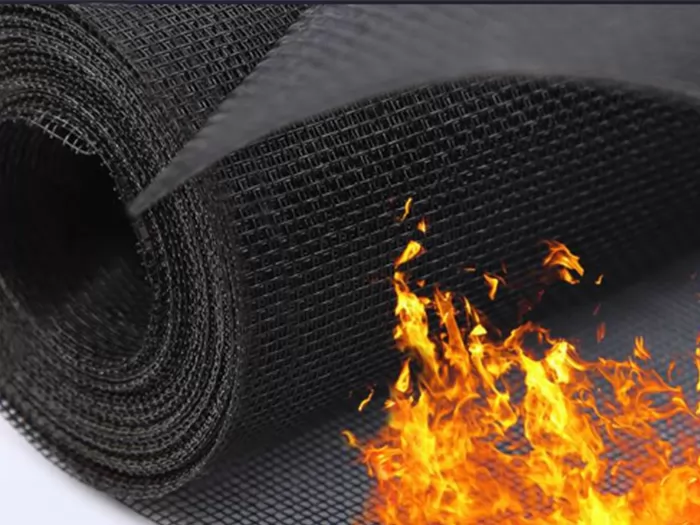
Kiln atmosphere filtration in 310 grade (to 1,100 °C), spark arrestors, flame barriers, EMI/RFI shielding inserts, and aerospace demist screens.
Jiushen operates a three-level quality responsibility chain — operator self-inspection → line supervisor check → QC department final inspection — with instrument-based verification at every stage. The following standards and certifications apply to all stainless steel woven wire cloth orders:
●ISO 9001:2015 — Quality management system, third-party certified with annual audits.
●ASTM E2016-2020 — Standard specification for industrial woven wire cloth: finished-product inspection.
●ASTM E2814-2011 — Standard specification for industrial woven wire cloth: Dutch weave constructions.
●ASTM A580/A580M-18 — Standard for stainless steel wire: incoming material verification.
●GB/T 17492-2019 (≡ ISO 9044:2016) — Industrial woven wire cloth test method.
●Customer-specific standards — DIN, BS, JIS, and proprietary specifications available on request.
In-house testing instruments include: optical emission spectrometer, universal tensile testing machine, salt spray corrosion chamber, 200× optical magnifier, impact tester, anti-fatigue tester, and high-temperature simulation box. Full order traceability is provided via encoded roll labels covering supplier code, equipment ID, production date, and serial number.
Jiushen is a direct manufacturer, not a trading company. Every roll is woven in our own 15,000 m² facility in Anping County — China's largest wire mesh production cluster — giving buyers direct access to factory pricing, flexible custom capabilities, and a fully documented quality system.
●Direct Factory — No Middlemen. 100+ imported weaving looms, 24/7 operation on key product lines. No trading markup. Full factory documentation with every order.
●2,700 mm Maximum Weave Width. Wide-format capability reduces seaming in large industrial installations and minimizes material waste for oversized filter panels and architectural mesh projects.
●8,000,000 m² Annual Capacity. Production depth sufficient for both qualification samples and large-volume repeat contracts. Tiered lead times available for urgent orders.
●In-House Testing Laboratory. Salt spray chamber, spectrometer, tensile tester, and 200× optical magnifier enable routine verification without reliance on external labs, reducing lead time and cost.
●Full Order Traceability. Supplier code, equipment ID, production date, and serial number recorded per roll. Complete documentation packages available for quality audits.
●200 km to Tianjin Port. Located 200 km from Tianjin Port and Shijiazhuang International Airport. Competitive sea freight and air freight options to Europe, North America, Southeast Asia, and the Middle East.
●Custom Specification Support. Jiushen's engineering team develops new processes, materials, and loom tooling for non-standard specifications. Describe your service conditions and we will recommend the correct weave and alloy combination.
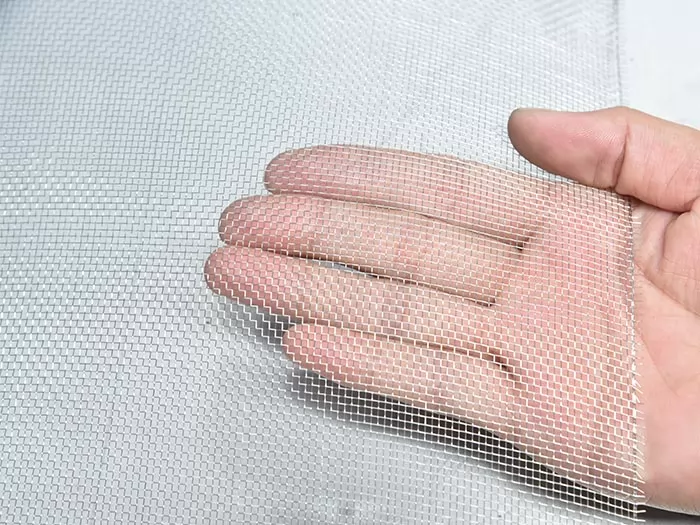
Mesh count is the number of openings per linear inch (e.g., 100×100 = 100 openings per inch in both directions). Opening size — also called aperture or clear opening — is the actual gap between adjacent wires in mm or µm. A 100×100 mesh woven from 0.102 mm wire yields a 0.15 mm (150 µm) opening. Always specify both mesh count and wire diameter to define aperture unambiguously.
Choose 316 or 316L whenever the service environment contains chlorides (seawater, salt spray, hydrochloric acid), dilute sulfuric or phosphoric acid, or when the cloth will be used in FDA-regulated food or pharmaceutical contact applications. Use 316L specifically where welded fabrication is involved, as the low carbon content prevents sensitization and intergranular corrosion.
Dutch weave uses a finer warp wire woven through densely packed, heavier shute wires, enabling filtration ratings far below what a plain weave of the same warp count can achieve. Plain Dutch weave covers 18–340 µm absolute ratings; Twill Dutch extends down to 2–3 µm absolute. Dutch weave is the standard choice for hydraulic filtration, polymer melt screens, and pharmaceutical fine filtration.
Standard roll widths are 1,000 mm, 1,220 mm (48"), and 1,500 mm; maximum single-pass weave width is 2,700 mm. Standard roll lengths range from 30 m (coarse mesh) to 100 m (fine mesh). Custom widths, non-standard lengths, and pre-cut sheets or discs are available on request.
For standard plain weave in common mesh counts (10×10 to 200×200), orders from a single roll (typically 30 m) are accepted. For specialty Dutch weave or non-standard widths, a 3–5 roll minimum is typical. Sample quantities for qualification testing are available — please indicate this when submitting your inquiry.
For technical inquiries, custom specifications, or pricing, please contact us. Our engineering team will respond within one business day.
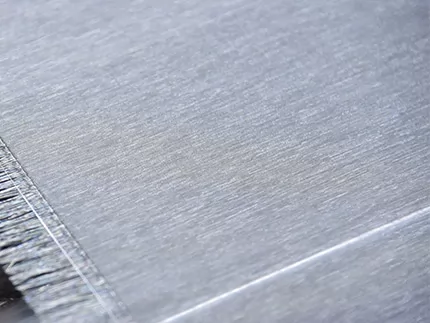
Stainless Steel Woven Wire Cloth
Stainless Steel Woven Wire Cloth
Stainless Steel Woven Wire Cloth
Copyright © Hebei Jiushen Wire Weaving Co., Ltd. All Rights Reserved. |
Sitemap
| Technical Support: