+86 182 3185 8969
+86 182 3185 8969

When sourcing galvanized iron wire insect screens, buyers often notice significant price differences between products that appear similar at first glance. Two insect screen rolls may have the same dimensions and application, yet one can cost 20–50% more than the other. Understanding what drives these price variations is essential for distributors, wholesalers, contractors, importers, and project owners seeking the best balance between cost and performance.
The price of galvanized iron wire insect screens is influenced by several technical and manufacturing factors. Among them, mesh size, wire diameter, roll width, roll length, and zinc coating thickness are the most important. Each factor directly affects raw material consumption, production complexity, durability, and overall product quality.
This guide provides a detailed explanation of the key pricing factors behind galvanized iron wire insect screens and helps buyers make informed purchasing decisions while avoiding common procurement mistakes.
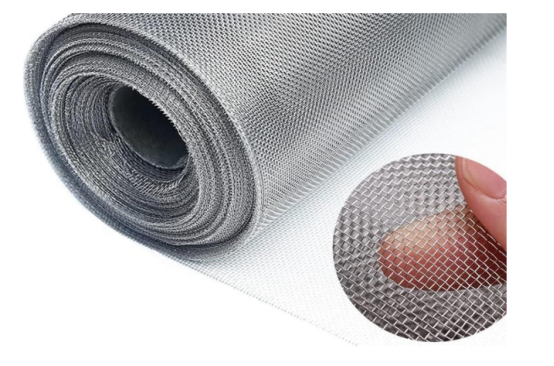
Galvanzed iron wire insect screen pricing is not determined solely by steel costs. Manufacturers calculate prices based on a combination of material consumption, processing requirements, coating specifications, and packaging requirements.
Typical pricing components include:
· Steel wire raw material costs
· Zinc coating costs
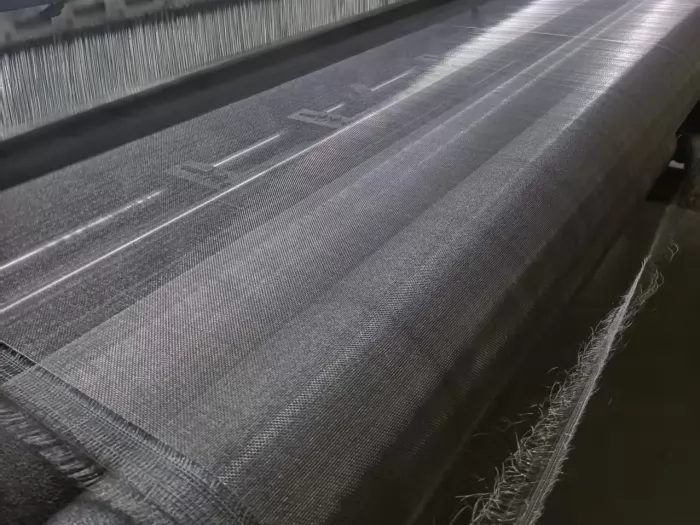
· Weaving production costs
· Quality inspection costs
· Packaging expenses
· Transportation costs
· Export documentation and logistics
Among these components, mesh size, wire diameter, roll dimensions, and zinc coating have the greatest impact on the final selling price.
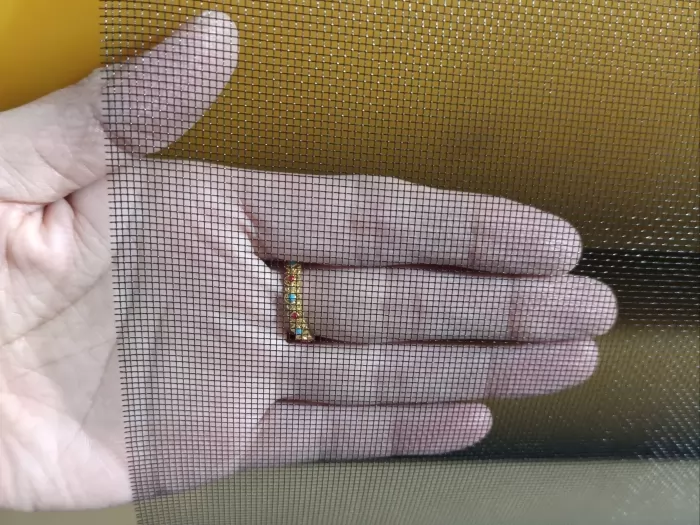
Mesh size refers to the number of openings per linear inch in the woven screen.
Common galvanized insect screen mesh counts include:
· 10 mesh
· 12 mesh
· 14 mesh
· 16 mesh
· 18 mesh
· 20 mesh
Higher mesh numbers indicate smaller openings and more wires woven into the same area.
As mesh count increases:
· More wire is required per square meter
· Weaving complexity increases
· Production speed decreases
· Quality control becomes more demanding
As a result, higher mesh products generally cost more.
For example:
Mesh Count | Relative Material Consumption | Price Level |
10 Mesh | Low | Lower |
12 Mesh | Medium-Low | Moderate |
14 Mesh | Medium | Moderate |
16 Mesh | Medium-High | Higher |
18 Mesh | High | High |
20 Mesh | Very High | Premium |
Different applications require different mesh specifications.
Suitable for:
· Industrial ventilation
· Agricultural buildings
· Large insect control
Advantages:
· Better airflow
· Lower cost
Suitable for:
· Residential windows
· Commercial buildings
· General insect protection
Advantages:
· Good balance between visibility and protection
Suitable for:
· Food processing plants
· Pharmaceutical facilities
· High-sanitation environments
Advantages:
· Enhanced insect exclusion
However, these finer meshes come with higher costs.
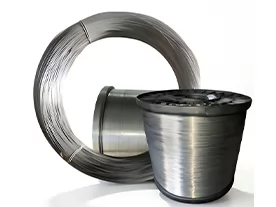
Wire diameter refers to the thickness of the galvanized steel wire used to weave the screen.
Common diameters include:
· 0.18 mm
· 0.20 mm
· 0.22 mm
· 0.25 mm
· 0.28 mm
· 0.30 mm
Wire diameter directly affects steel consumption.
Thicker wire means:
· More raw material usage
· Higher product weight
· Greater tensile strength
· Longer service life
Since steel represents a major production cost, thicker wire products are generally more expensive.
Advantages:
· Lower cost
· Better visibility
· Lightweight
Disadvantages:
· Reduced durability
· Lower impact resistance
Suitable for:
· Residential applications
· Indoor installations
Advantages:
· Balanced strength and visibility
· Most common market specification
Suitable for:
· Commercial projects
· Building contractors
· Export distributors
Advantages:
· Maximum durability
· Enhanced structural stability
· Better resistance to deformation
Suitable for:
· Industrial environments
· Agricultural projects
· Coastal regions
Because of the additional steel consumption, these specifications command premium prices.
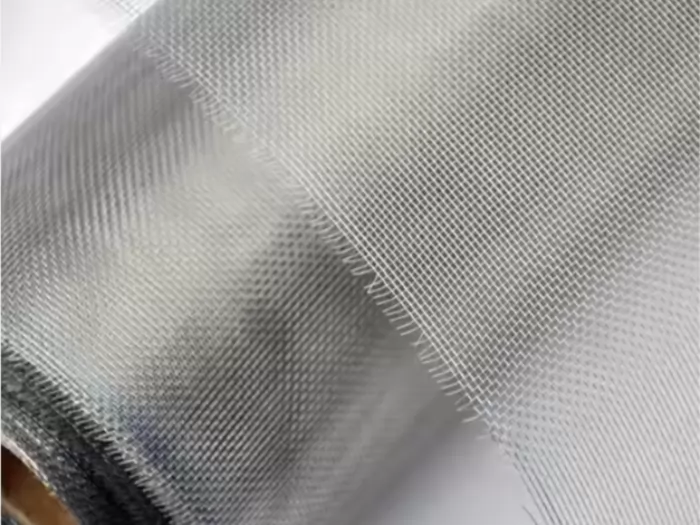
Many buyers focus on price per roll without considering width.
A wider roll contains more material per meter of length and therefore costs more.
Common widths include:
· 0.60 m
· 0.90 m
· 1.00 m
· 1.20 m
· 1.50 m
· 1.80 m
· 2.00 m
Wider rolls require:
· Larger weaving equipment
· More precise tension control
· Increased packaging materials
· Greater shipping volume
For example:
A 1.5 m wide roll contains 50% more screen area than a 1.0 m wide roll of the same length.
Naturally, the price increases accordingly.
Although wider rolls cost more per roll, they often reduce:
· Installation waste
· Labor costs
· Seaming requirements
For large projects, wider rolls can actually lower total project costs despite a higher purchase price.
Manufacturers typically offer:
· 15 m
· 30 m
· 50 m
· 100 m
Longer rolls contain more material and therefore have higher total prices.
However, the price per square meter often decreases because:
· Packaging costs are distributed across more material
· Production efficiency improves
· Logistics become more economical
Large distributors and contractors often prefer:
· 50 m rolls
· 100 m rolls
Benefits include:
· Lower unit cost
· Fewer roll changes during installation
· Improved warehouse efficiency
The zinc layer protects steel wire from corrosion and rust.
Without sufficient zinc protection, galvanized insect screens can deteriorate quickly in humid or outdoor environments.
Typical coating weights include:
· 30 g/m²
· 40 g/m²
· 50 g/m²
· 60 g/m²
· 80 g/m²
· 100 g/m² and above
Zinc is a significant manufacturing cost.
Higher coating weights require:
· More zinc consumption
· Additional processing control
· Stricter quality inspection
As zinc coating thickness increases, product prices rise accordingly.
Suitable for:
· Indoor environments
· Dry climates
Expected benefits:
· Lower cost
· Adequate protection
Suitable for:
· Coastal regions
· Agricultural facilities
· High-humidity environments
· Industrial plants
Expected benefits:
· Longer lifespan
· Better corrosion resistance
· Reduced maintenance costs
Although initial prices are higher, long-term ownership costs are often lower.
Steel prices fluctuate due to:
· Global demand
· Energy costs
· Supply chain disruptions
· Economic conditions
Price changes in steel directly affect insect screen pricing.
Higher-quality manufacturers typically invest more in:
· Precision weaving
· Dimensional accuracy
· Surface finish quality
· Consistent mesh openings
These improvements contribute to higher but more reliable pricing.
Customized packaging may increase costs, including:
· Waterproof wrapping
· Export-grade cartons
· Wooden pallets
· Private labeling
Distributors frequently request customized packaging to support local branding strategies.
Freight costs can significantly affect landed prices, especially for international buyers.
Factors include:
· Container utilization
· Roll dimensions
· Destination country
· Shipping route
Efficient packaging design often helps reduce transportation expenses.
Avoid over-specifying products.
For example:
· A residential project may not require heavy zinc coating.
· Industrial facilities may not need ultra-fine mesh.
Selecting specifications based on actual use conditions prevents unnecessary spending.
The lowest purchase price does not always provide the best value.
A slightly more expensive insect screen with:
· Higher zinc coating
· Better wire diameter
· Superior manufacturing quality
may deliver years of additional service life.
Bulk orders often provide:
· Better pricing
· Lower freight cost per square meter
· Improved inventory management
This is particularly beneficial for distributors and project contractors.
Reliable manufacturers help buyers:
· Select appropriate specifications
· Avoid overpaying for unnecessary features
· Customize products for project requirements
· Ensure consistent product quality
The price of galvanized iron wire insect screens is primarily influenced by mesh size, wire diameter, roll width, roll length, and zinc coating thickness. Higher mesh counts, thicker wires, wider rolls, longer lengths, and heavier zinc coatings all contribute to increased production costs but also provide improved durability, performance, and service life.
Rather than focusing solely on the lowest quotation, professional buyers should evaluate overall value, project requirements, environmental conditions, and long-term performance. A well-informed purchasing decision can significantly reduce maintenance costs, improve installation efficiency, and maximize return on investment.
As a trusted manufacturer and supplier of galvanized iron wire insect screens, Jiushen offers a comprehensive range of mesh specifications, wire diameters, roll sizes, and zinc coating options to meet the needs of distributors, contractors, agricultural operations, and industrial projects worldwide. Contact our team today for expert guidance, competitive pricing, and customized insect screen solutions tailored to your market requirements.
Copyright © Hebei Jiushen Wire Weaving Co., Ltd. All Rights Reserved. |
Sitemap
| Technical Support: