+86 182 3185 8969
+86 182 3185 8969

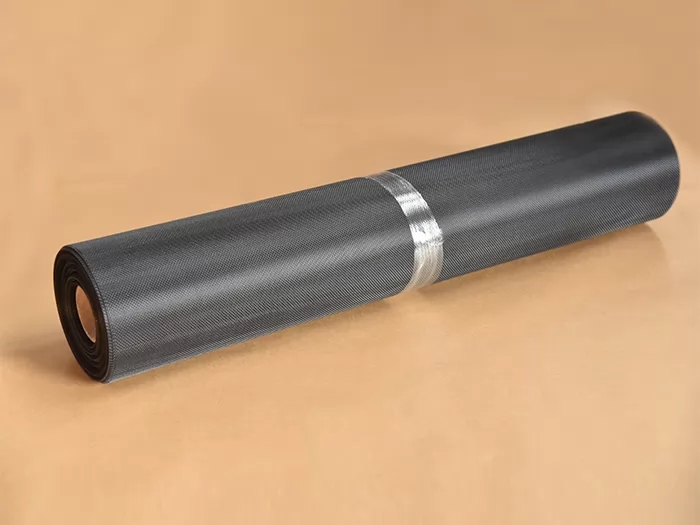
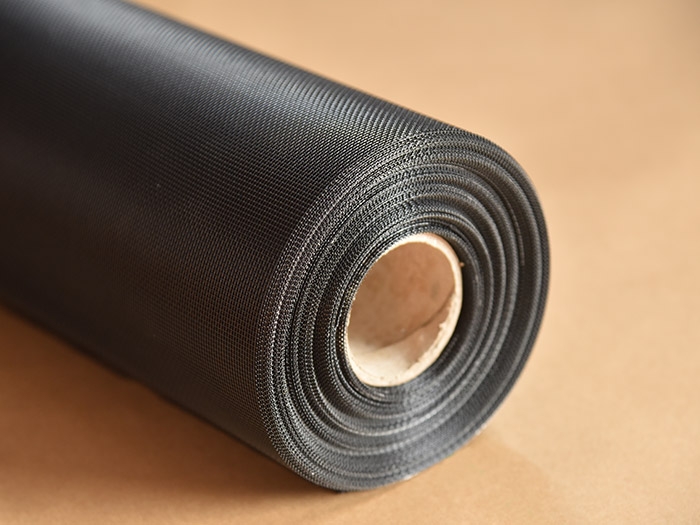
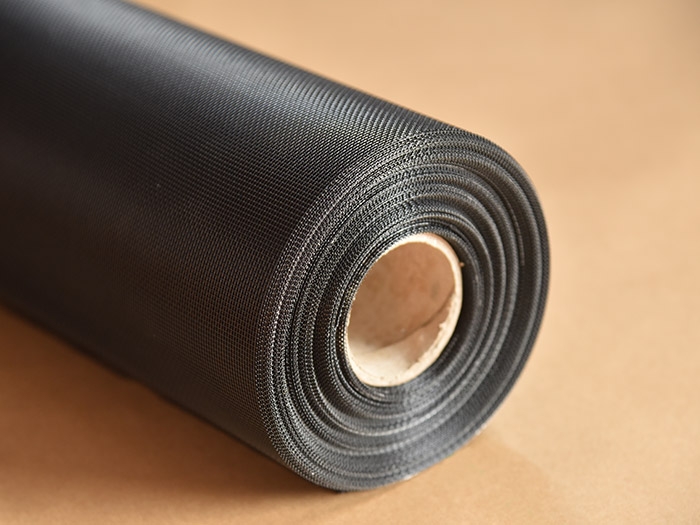
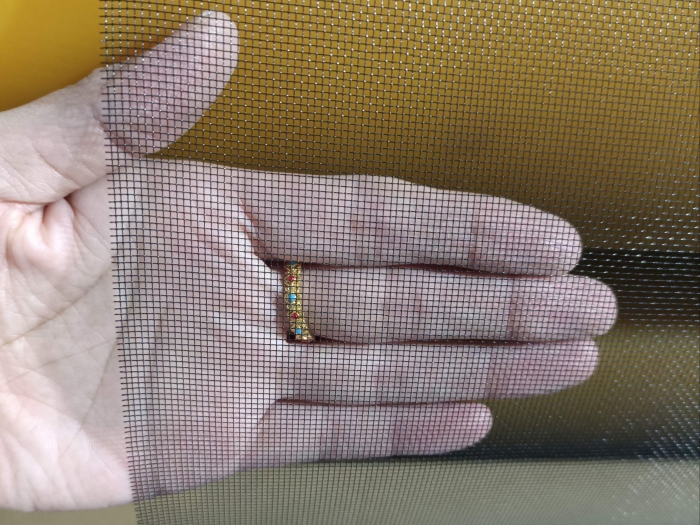
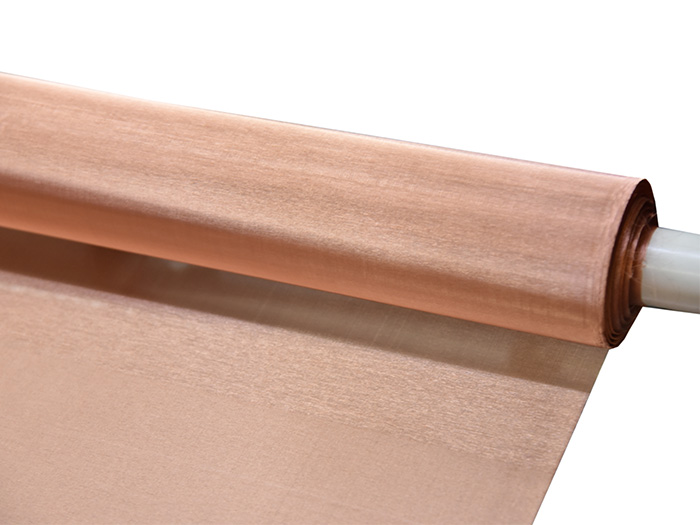
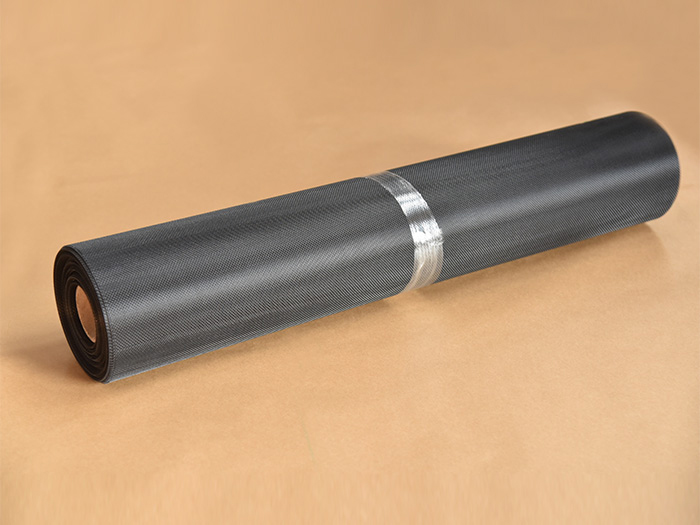
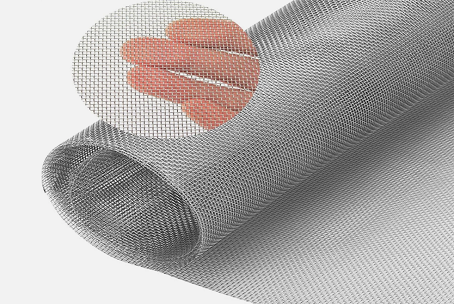
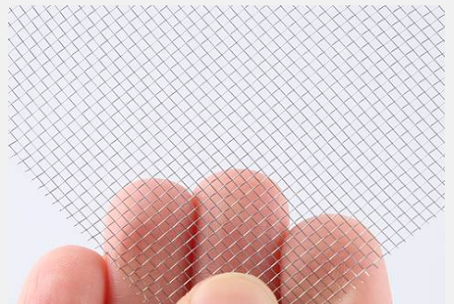
Epoxy coated plain steel screen mesh is made by using the principle of electrostatic spraying to absorb eco-friendly epoxy resin powder on the surface of the plain steel wire mesh, after a certain time of high temperature curing, the epoxy resin powder is melted and covered on the plain steel mesh, so a dense protective layer is formed. Jiushen offers a wide range of high quality, cost-effective epoxy coated plain steel wire mesh designed to handle challenging environments.
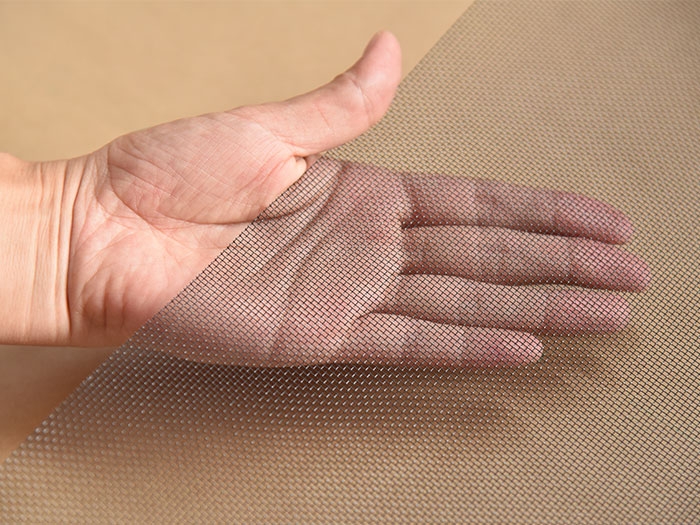
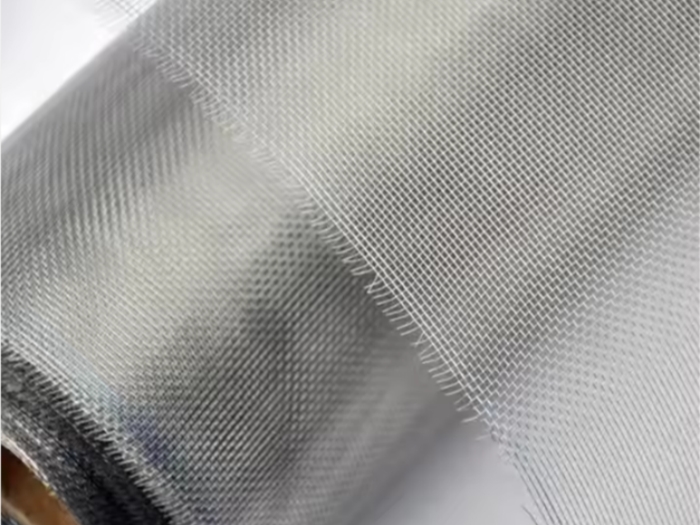
Jiushen plain steel epoxy wire mesh, also known as epoxy-coated plain steel wire mesh, is manufactured by applying and curing epoxy powder over precision-woven low-carbon steel mesh. The steel substrate provides structural support, while the cured epoxy coating creates a protective barrier against moisture, oxidation and compatible industrial fluids.
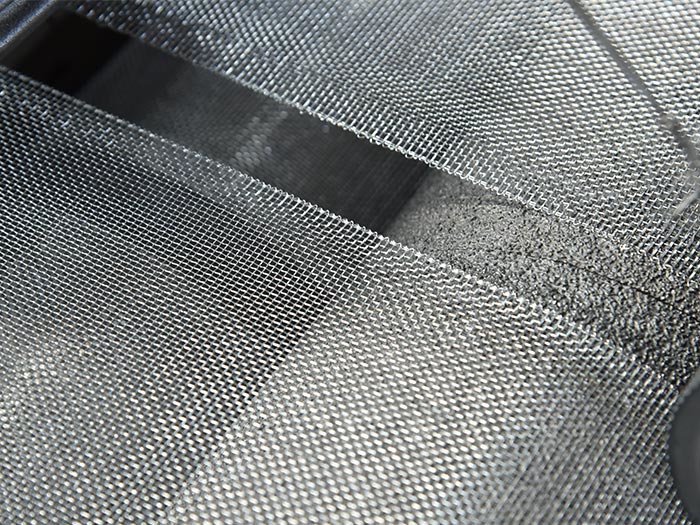
This product is primarily used as a pleat support, spacing layer or protective backing in hydraulic oil filters, industrial filter cartridges and air-filtration elements. It helps the filter media retain its shape while maintaining open flow passages through the pleated structure.
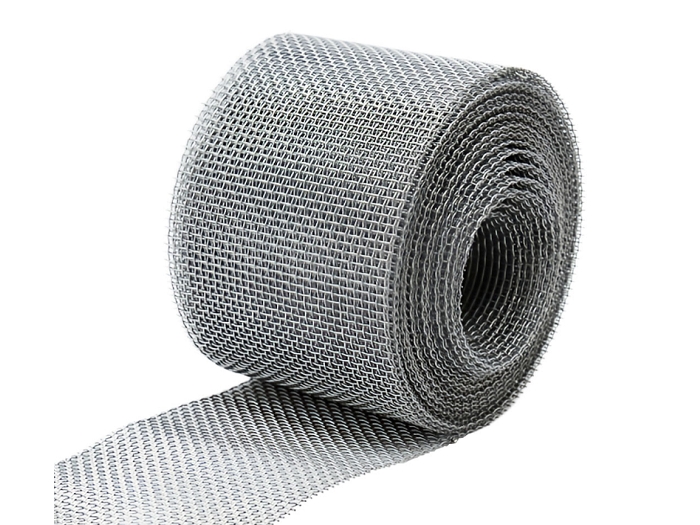
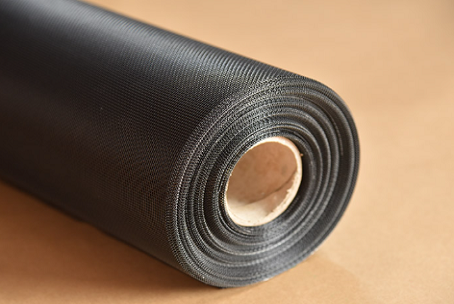
Jiushen supplies epoxy-coated steel mesh in full rolls, long continuous rolls and slit strips. Mesh count, wire diameter, roll width, roll length, slit width, coating thickness, color, adhesion and packaging can be customized according to the filter production process.
Need an accurate quotation? Send Jiushen the required mesh count, wire diameter, coated aperture, roll or strip dimensions, coating requirements, operating fluid, temperature range and order quantity.
●Economical filter support: Plain steel provides a cost-effective substrate for volume filter production.
●Improved corrosion protection: The cured epoxy layer reduces direct contact between the steel wire and moisture or compatible fluids.
●Flexible woven structure: The mesh can be formed, corrugated or pleated when the mesh and coating specifications are properly matched.
●Stable pleat support: Woven steel mesh helps maintain spacing between pleats and supports the filter media against deformation.
●Controlled airflow and fluid flow: Mesh count and wire diameter can be selected to achieve the required open area.
●Custom coating performance: Coating thickness, adhesion, flexibility, color and curing requirements can be defined by application.
●Long-roll supply: Continuous rolls reduce roll changes and production interruptions during automated filter manufacturing.
●Custom slitting: Mesh can be prepared in specified strip widths for pleating, forming and filter-element assembly.
Plain steel epoxy wire mesh is normally used as a support component rather than the primary filtration medium. The required filtration efficiency or micron rating is generally determined by the filter paper, synthetic media, glass fiber or other primary filter layer.
Inside a pleated filter element, epoxy-coated mesh can perform several functions:
●Support the filter media during pleating and assembly
●Help prevent pleat collapse under differential pressure
●Maintain space between adjacent pleats
●Create open passages for oil, air or another compatible fluid
●Reduce direct abrasion of the filtration media
●Improve the dimensional stability of the assembled filter pack
Final pressure resistance and collapse strength depend on the complete filter design, including the support mesh, primary media, pleat geometry, bonding method, end caps and housing. Mesh alone should not be assigned the pressure rating of the complete filter.
| Product | Plain Steel Epoxy Wire Mesh / Epoxy-Coated Plain Steel Wire Mesh |
| Base Material | Low-carbon steel wire |
| Construction | Woven wire mesh |
| Weaving Method | Plain weave or another project-specific weave subject to technical confirmation |
| Coating | Heat-cured epoxy powder coating |
| Coating Method | Electrostatic powder application followed by controlled curing |
| Common Color | Black |
| Custom Colors | Decorative or project-specific colors subject to coating and quantity requirements |
| Mesh Count | Customized according to required aperture, open area and support strength |
| Wire Diameter | Customized according to pleating, forming and filter-support requirements |
| Coating Thickness | Specified according to corrosion resistance, flexibility and aperture requirements |
| Roll Width | Standard or custom width subject to mesh configuration |
| Roll Length | Standard or long continuous rolls according to processing requirements |
| Supply Form | Full rolls, long rolls, slit strips or customized lengths |
| Applications | Hydraulic oil filters, air filters, pleated filter support and industrial filtration |
| Customization | Mesh count, wire diameter, aperture, coating, color, width, length, slitting and packaging |
Mesh count indicates the number of openings per linear inch. The final clear opening must be evaluated after coating because epoxy powder adds thickness to the wire surface and reduces the original aperture.
For a square mesh with the same mesh count in both directions, the approximate uncoated opening is:
Uncoated opening in millimeters = 25.4 ÷ mesh count − wire diameter in millimeters
The actual coated aperture should be measured on the finished product. Using only the uncoated mesh calculation may result in an incorrect open area or unexpected flow resistance.
Thicker wire increases support strength and stiffness but reduces open area and makes tight pleating more difficult. Thinner wire improves flexibility and open area but provides less resistance to deformation.
A coating that is too thin may provide insufficient coverage. A coating that is too thick may reduce flexibility, increase material usage and partially block the mesh openings. The correct thickness must balance corrosion protection, adhesion, forming and open area.
Adhesion determines whether the coating remains attached during slitting, bending, corrugating and pleating. Poor surface preparation or incorrect curing can cause cracking, peeling or delamination.
Flatness, edge alignment and consistent winding affect automatic feeding and pleating. Creases, telescoping rolls and uneven tension can interrupt the filter production line or create distorted pleats.
Inspect the plain steel substrate. Mesh count, wire diameter, aperture, flatness and surface condition are checked before coating.
Prepare the mesh surface. Oil, dust and other contaminants are removed to improve coating adhesion.
Preheat the mesh. Controlled preheating helps stabilize the coating process and improve powder attachment.
Apply the epoxy powder. Electrostatic spray equipment distributes powder over both sides of the woven mesh.
Control mesh-opening coverage. Spray direction, powder output and line speed are adjusted to reduce bridging and blocked openings.
Cure the coating. The coated mesh passes through controlled temperature zones so that the epoxy powder melts, flows and bonds to the steel surface.
Inspect the coated mesh. Coating appearance, color, aperture, adhesion and visible defects are checked.
Correct and wind the roll. Automatic web guidance and controlled winding help maintain edge alignment and roll tightness.
Slit and package the mesh. Finished mesh is supplied in full rolls or prepared to the required strip width.
| Performance Item | Why It Matters | What Buyers Should Specify |
| Coating Thickness | Affects protection, flexibility, coated aperture and cost | Target thickness and acceptable tolerance |
| Adhesion | Helps prevent peeling during pleating and forming | Required adhesion or bending test method |
| Flexibility | Determines whether the coated mesh can be corrugated or pleated | Minimum bend radius or approved forming test |
| Coated Aperture | Directly affects airflow and fluid passage | Minimum clear opening or open-area requirement |
| Color Consistency | Affects appearance and batch identification | Color reference and allowable variation |
| Cure Condition | Incomplete or excessive curing can reduce coating performance | Required coating performance rather than furnace temperature alone |
| Fluid Compatibility | Hydraulic oils, fuels, additives and cleaning agents affect different epoxy systems differently | Fluid type, concentration, additives and exposure duration |
| Temperature Resistance | The epoxy coating normally has a lower temperature limit than the steel substrate | Continuous and peak operating temperatures |
| Corrosion Resistance | Depends on coating continuity, thickness and exposure environment | Salt-spray, immersion or customer-specific test requirements |
●Hydraulic oil filters: Support and spacing mesh for pleated hydraulic filter media.
●Industrial oil filtration: Reinforcement layers in filter cartridges handling compatible lubricants and industrial oils.
●Air filtration: Support mesh for pleated air-filter and HVAC filter media.
●Automotive filter components: Filter support mesh produced according to approved material, coating and dimensional requirements.
●Industrial filter cartridges: Inner or outer support for filter elements requiring flexibility and open flow passages.
●Pleat spacing: Mesh used to maintain separation between adjacent folds of filtration media.
●Ventilation components: Coated woven mesh for compatible airflow and light-duty protective applications.
●Industrial screening: Flexible protective mesh where the coating and base material are compatible with the environment.
Plain steel epoxy mesh should not automatically be used in food-contact, pharmaceutical, drinking-water, fire-rated, high-temperature or safety-critical applications. These uses require application-specific coating approval, testing and compliance documentation.
| Comparison | Plain Steel Epoxy Mesh | Epoxy-Coated Aluminum Mesh | Stainless Steel Mesh |
| Base Material | Low-carbon steel | Aluminum alloy | Stainless steel |
| Weight | Heavier than aluminum | Lightweight | Heavier than aluminum |
| Initial Cost | Generally economical | Depends on alloy and coating | Generally higher |
| Support Strength | Good support and dimensional stability | Suitable where weight reduction is important | Good strength and wear resistance |
| Corrosion Protection | Depends heavily on coating integrity | Provided by both aluminum and coating | Provided throughout the stainless steel material |
| Cut Edges | Exposed steel may corrode after cutting | No iron rust, but exposed aluminum can still corrode | Cut edges retain the corrosion characteristics of the stainless grade |
| Typical Selection | Cost-effective hydraulic and air-filter support | Lightweight filter elements | Demanding temperature, wear or corrosion environments |
| Comparison | Plain Steel Epoxy Wire Mesh | Epoxy-Coated Welded Reinforcement |
| Construction | Fine or medium wire woven into a flexible mesh | Heavier steel wires welded at intersections |
| Flexibility | Flexible and suitable for pleating or forming | Rigid reinforcement grid |
| Primary Application | Hydraulic filters, air filters and industrial filtration | Concrete and construction reinforcement |
| Important Specifications | Mesh count, wire diameter, coated aperture, adhesion and roll size | Wire size, grid spacing, weld strength and structural standards |
| Supply Form | Rolls, long rolls and slit strips | Rigid sheets or heavy reinforcement rolls |
These products serve different industries and should not share the same specifications, standards or performance claims.
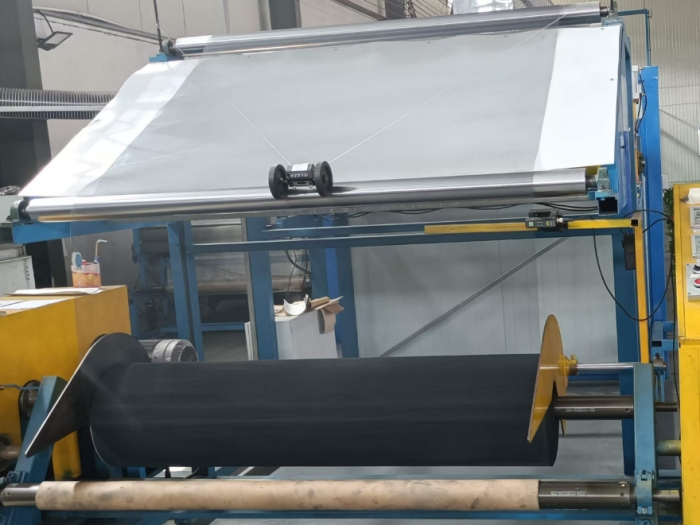
Jiushen developed a dedicated epoxy mesh coating line to improve coating uniformity, production continuity and roll quality. The coating line has an annual production capacity of approximately 5 million m².
●Multi-direction spray configuration: Multiple inverted spray units help coat both sides while reducing blocked mesh openings.
●Surface pretreatment: Preheating and surface cleaning help remove grease and improve powder adhesion.
●Controlled curing zones: Multi-point temperature monitoring and adjustable air circulation support stable curing.
●Automatic material storage: Reduces creases and surface contamination during roll changes.
●Automatic splicing and cutting: Supports continuous production and reduces material-change frequency.
●Line-speed and meter monitoring: Helps control production parameters and finished roll length.
●Web-guiding system: Automatic correction helps maintain roll alignment during winding.
●Long-roll processing: Reduces joints and roll changes during downstream filter production.
●Powder recycling system: The integrated system improves powder utilization and reduces coating waste.
Jiushen's company-wide facilities cover approximately 20,000 m² and include more than 100 production and auxiliary machines. The integrated production process covers weaving, inspection, coating, slitting, packaging and delivery.
Learn more about Jiushen's production capacity and wire weaving experience.
Jiushen operates an ISO 9001:2015 quality management system. The quality-control process covers the plain steel substrate, weaving accuracy, surface preparation, epoxy application, curing, finished coating and roll preparation.
Inspect the base wire. Wire diameter, material condition and mechanical properties are checked according to order requirements.
Inspect the uncoated mesh. Mesh count, aperture, flatness, wire alignment and surface defects are checked before coating.
Control surface preparation. Oil and contaminants are removed to reduce adhesion failure.
Monitor coating application. Powder output, spray position, line speed and mesh coverage are controlled.
Monitor curing. Temperature zones and line speed are recorded to maintain stable coating conditions.
Inspect coated openings. The finished aperture is checked for excessive powder buildup or blocked mesh openings.
Evaluate coating quality. Color, coverage, adhesion, flexibility and visible surface defects are inspected according to the agreed specification.
Inspect finished rolls. Width, length, slit width, edge condition, winding and packaging are checked.
Maintain order traceability. Material, equipment, processing and inspection information can be linked to the order number.
Available test capabilities include dimensional inspection, tensile testing, impact testing, fatigue-related testing, salt-spray testing, optical inspection and high-temperature simulation. Required tests and acceptance criteria should be agreed upon before production.
View Jiushen's complete quality control process.
●Low-carbon steel substrate specification
●Mesh count and uncoated aperture
●Wire diameter and dimensional tolerance
●Coated aperture and minimum open area
●Epoxy powder formulation
●Coating thickness and tolerance
●Coating adhesion and flexibility
●Black or customized coating color
●Full-roll width and length
●Long continuous roll production
●Custom slit width and edge condition
●Core size, winding direction and roll tension
●Packaging and traceability labels
Filter application: Hydraulic oil, lubricating oil, air filtration, HVAC or another industrial filter.
Mesh specification: Mesh count, clear opening, open area and wire diameter.
Finished aperture: Minimum required opening after epoxy coating.
Roll dimensions: Full-roll width, roll length or required slit width.
Coating specification: Epoxy type, color, coating thickness and acceptable tolerance.
Forming requirements: Pleating, corrugating, bending or stamping process.
Operating fluid: Oil type, additives, cleaning agents and other chemicals in contact with the mesh.
Temperature: Continuous operating temperature and short-term peak temperature.
Performance tests: Adhesion, flexibility, impact, salt spray, immersion or customer-specific tests.
Roll preparation: Core size, winding direction, roll tension, joints and packaging.
Commercial information: Order quantity, delivery destination and requested schedule.
It is normally used as a support or spacing layer. The primary filter media generally determines the filtration efficiency and micron rating of the finished element.
No. Plain steel epoxy filter mesh is a flexible woven material supplied in rolls or strips. Epoxy-coated welded reinforcement is a heavier, rigid grid used primarily in concrete construction.
The coating improves corrosion resistance by separating the steel from the environment. It does not provide unlimited protection. Scratches, pinholes, incomplete coverage, cut edges and incompatible fluids can expose the steel and cause localized corrosion.
Yes, when the wire diameter, mesh structure, coating thickness and coating flexibility are matched to the forming process. A sample pleating or bending test should be completed for demanding geometries.
Excessive powder or incorrect spray and curing conditions can create bridging between wires. Jiushen controls spray direction, powder output, line speed and curing conditions to reduce blocked openings. The finished aperture should still be included in the inspection specification.
It is commonly used in hydraulic oil filters, but compatibility depends on the epoxy formulation, oil type, additives, operating temperature and exposure duration. Application-specific compatibility should be confirmed before volume production.
The limit is determined mainly by the selected epoxy coating rather than the steel substrate. Provide both continuous and peak temperatures so that the coating specification can be evaluated. A universal temperature rating should not be applied to every epoxy mesh.
Cutting can expose the steel core at the edges. The exposed edge may corrode if it contacts moisture or incompatible fluids. Edge exposure should be considered in the filter design and validation process.
Yes. Jiushen supplies standard rolls, long continuous rolls and slit strips. Required width, length, core size, winding direction and edge condition should be included in the purchase specification.
Store rolls in a clean, dry indoor area away from direct sunlight, excessive heat, moisture and incompatible chemicals. Protect the edges from impact and avoid stacking methods that may crush or crease the mesh.
Price is influenced by mesh count, wire diameter, roll width, roll length, slit width, epoxy formulation, coating thickness, color, performance tests, packaging and order quantity.
Tell Jiushen how the mesh will be pleated, which filter media it must support and what oil, air or fluid it will contact. Our team will help confirm the base mesh, coated aperture, epoxy performance and roll preparation before quotation.
Contact Jiushen for custom epoxy filter mesh specifications and factory pricing.
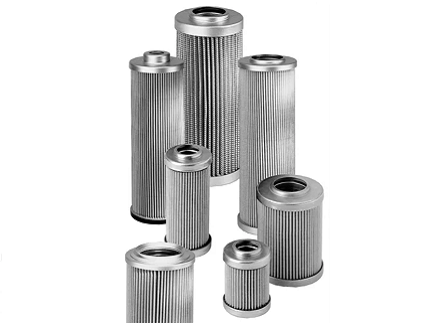
Hydraulic Oil Filters
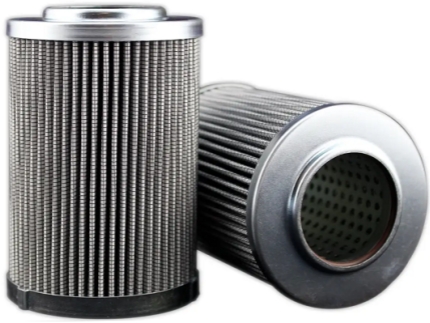
Hydraulic Oil Filters
Copyright © Hebei Jiushen Wire Weaving Co., Ltd. All Rights Reserved. |
Sitemap
| Technical Support: