+86 182 3185 8969
+86 182 3185 8969

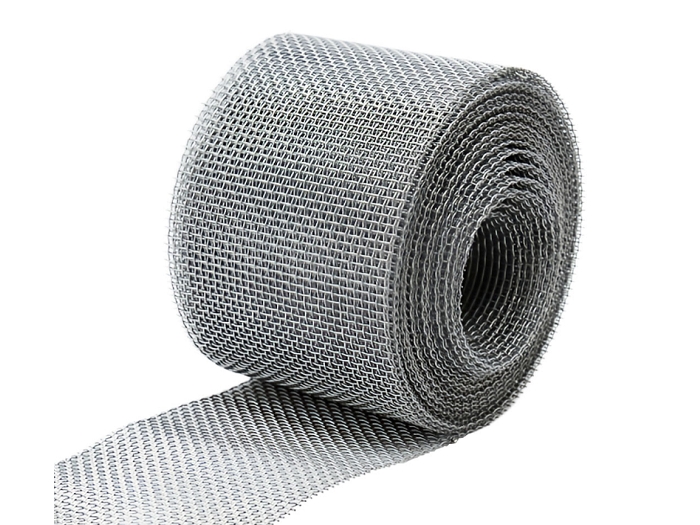
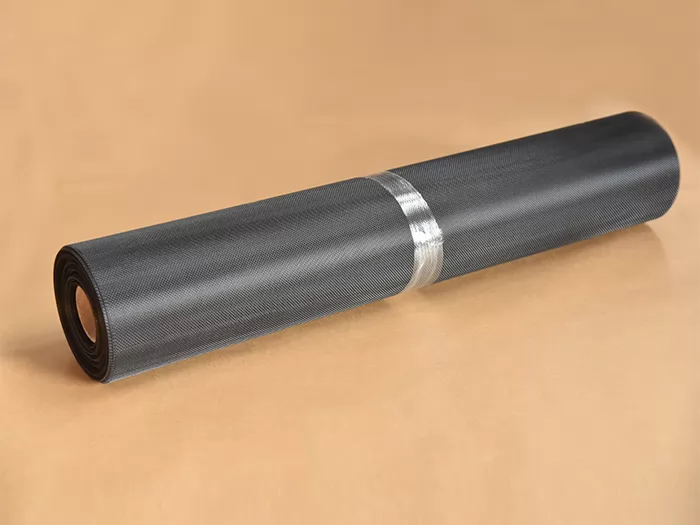
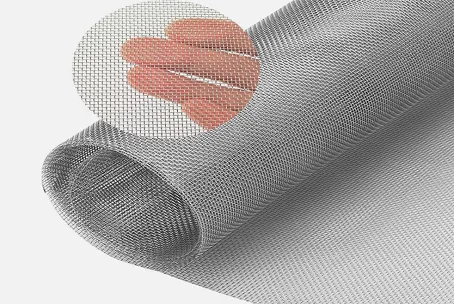
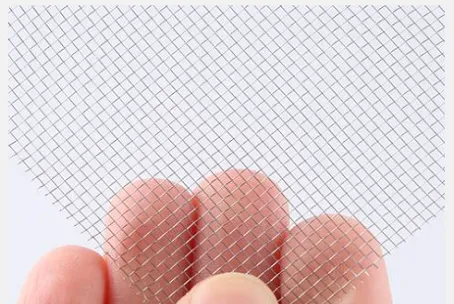
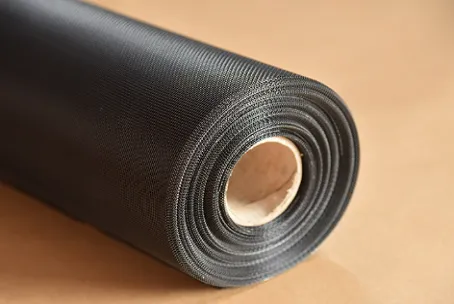
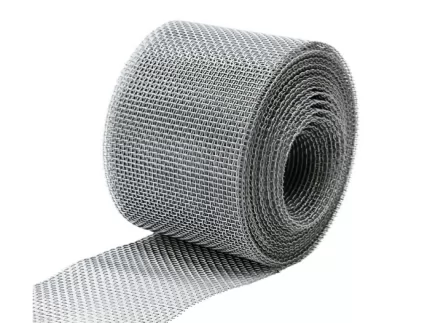
Galvanized is not a metal or alloy, it's a process in which a protective zinc coating is applied to steel to prevent rusting. Due to its attractive price point and its corrosion resistance, galvanized wire mesh is very popular among industrial users of wire mesh. In the wire mesh industry, however, it is often treated as a separate category because of its wide spread use in all types of applications.
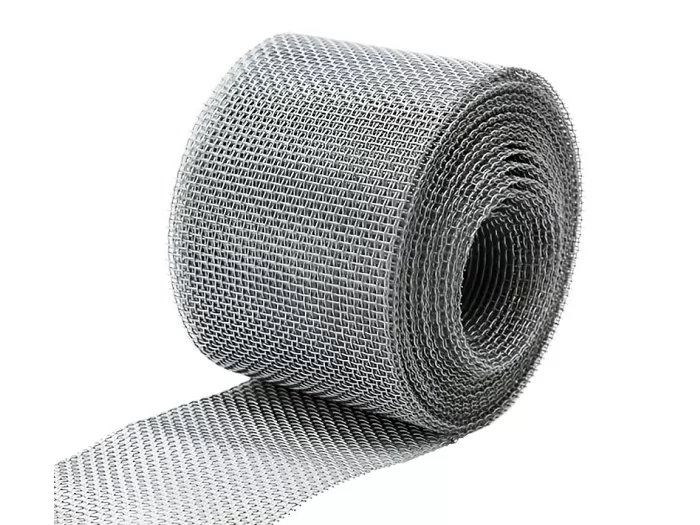
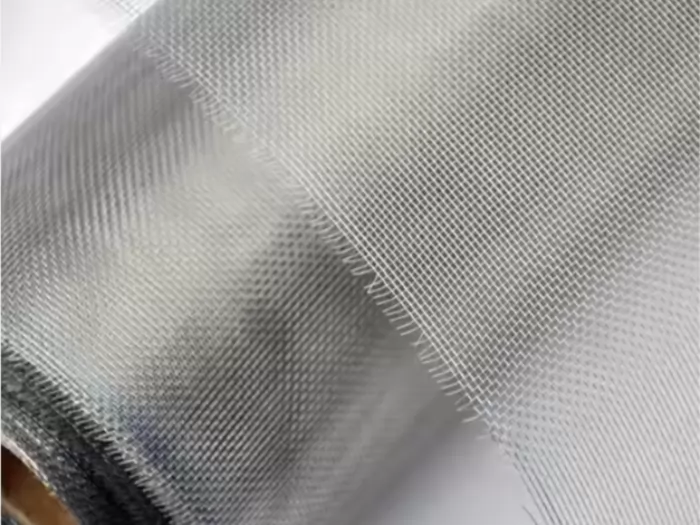
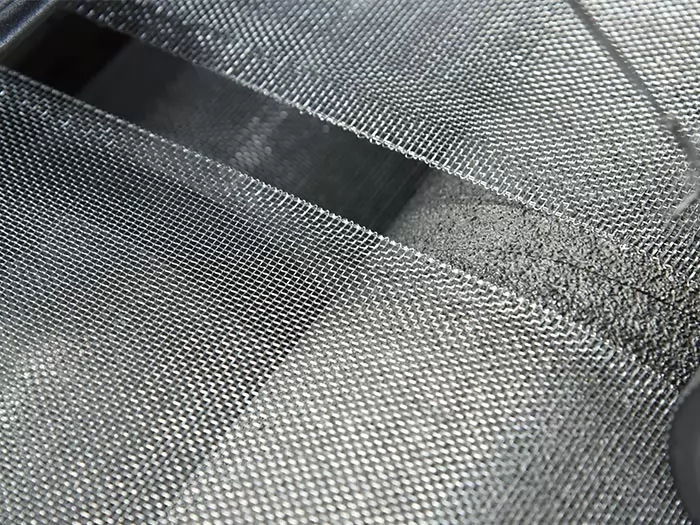
Jiushen galvanized wire mesh combines the strength and dimensional stability of low-carbon steel wire with a protective zinc coating. The zinc layer helps delay rust formation when the mesh is exposed to air, moisture and normal outdoor conditions, providing a more economical alternative to stainless steel for many screening, filtration, ventilation and protective applications.
Jiushen can customize the mesh count, clear opening, wire diameter, roll width, roll length, edge treatment and galvanizing requirements according to the operating environment. Both the mesh specification and zinc coating must be defined before quotation because they directly affect corrosion resistance, airflow, strength, weight and price.
Need a reliable quotation? Send Jiushen the application, required opening, wire diameter, roll dimensions, galvanizing method, zinc coating requirement and order quantity. Our team will help confirm whether galvanized-before-weaving or galvanized-after-weaving construction is more appropriate.
Galvanized wire mesh is not made from a separate metal alloy. It is steel wire mesh protected by a layer of zinc. The zinc coating acts as a barrier between the steel and the surrounding environment and also provides sacrificial protection when small areas of the coating are damaged.
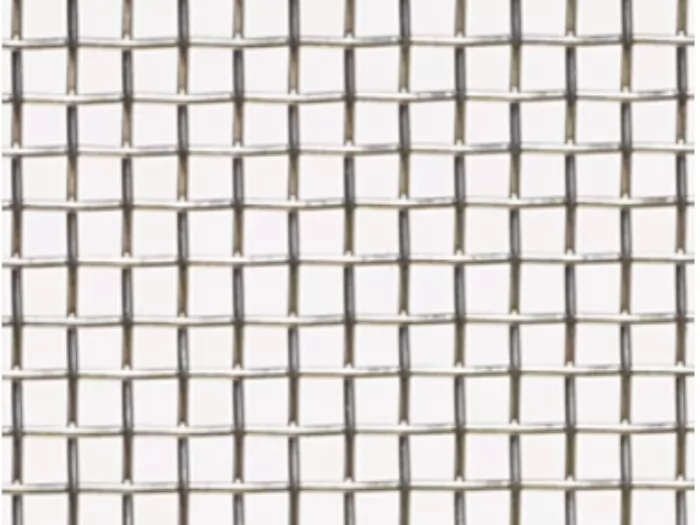
Galvanized mesh may be woven or welded, and the zinc coating may be applied before or after the mesh is manufactured. Jiushen primarily focuses on woven wire mesh production. Requirements for welded construction or other non-standard structures should be confirmed before ordering.
●Economical corrosion protection: Zinc-coated steel generally costs less than stainless steel while providing better corrosion resistance than uncoated carbon steel.
●Stable steel-wire structure: The low-carbon steel base provides useful strength, shape retention and handling performance.
●Custom mesh openings: Mesh count, wire diameter and clear opening can be selected according to filtration, ventilation or barrier requirements.
●Multiple galvanizing options: Pre-galvanized wire and post-galvanized mesh can be evaluated according to coating coverage and aperture requirements.
●Easy downstream processing: Woven mesh rolls can be slit, cut, formed or integrated into frames and filter assemblies.
●Wide application range: Suitable for industrial screening, air intake protection, agriculture, construction and general-purpose barriers.
●Custom roll production: Roll width, roll length, edge treatment, packaging and traceability requirements can be specified.
The stage at which zinc is applied affects corrosion protection, mesh appearance, opening consistency and price. Buyers should not specify only “galvanized mesh” without confirming the required construction.
| Galvanizing Method | Production Process | Advantages | Considerations | Typical Selection |
| Galvanized Before Weaving | Individual steel wires are galvanized before being woven into mesh. | Good opening control, smooth weaving and economical custom production | Wire contact points and cut edges do not receive an additional zinc coating after weaving | Fine woven mesh, insect screening, ventilation and general industrial screening |
| Galvanized After Weaving | Carbon steel mesh is woven first and then galvanized as a completed mesh. | Zinc can cover wire intersections and much of the finished mesh surface | Usually costs more and may alter or partially block small openings | Coarse or medium mesh requiring increased coating coverage |
Galvanizing a very fine mesh after weaving may reduce the clear opening or create zinc buildup between adjacent wires. Fine mesh is therefore commonly produced from pre-galvanized wire unless a post-galvanized construction has been technically evaluated.
| Comparison | Hot-Dip Galvanized Mesh | Electro-Galvanized Mesh |
| Process | Steel wire or finished mesh is immersed in molten zinc. | Zinc is deposited on the steel surface through an electrolytic process. |
| Coating | Generally allows a heavier protective zinc layer. | Generally produces a thinner and smoother zinc layer. |
| Surface Appearance | May have a less uniform or rougher surface. | Usually has a smoother and more uniform appearance. |
| Corrosion Protection | Usually preferred for outdoor, humid and more demanding environments. | Suitable for indoor, dry or moderately exposed environments. |
| Opening Control | Heavy zinc buildup must be considered, especially on fine mesh. | Thinner coating is better suited to maintaining smaller openings. |
| Cost | Usually higher when a heavier zinc coating is required. | Normally more economical for light-duty corrosion protection. |
The galvanizing method alone does not determine service life. Buyers should also specify the required zinc coating weight or thickness, operating environment, acceptable surface appearance and inspection method.
| Product | Galvanized Wire Mesh / Galvanized Woven Wire Mesh |
| Base Material | Low-carbon steel wire |
| Construction | Woven wire mesh; non-standard construction subject to confirmation |
| Weaving Method | Plain weave, plain crimp or project-specific weave according to opening and wire diameter |
| Galvanizing Stage | Galvanized before weaving or galvanized after weaving |
| Galvanizing Process | Hot-dip galvanized or electro-galvanized according to order requirements |
| Mesh Count or Opening | Customized according to screening, filtration, ventilation or barrier requirements |
| Wire Diameter | Customized according to required strength, flexibility and opening size |
| Zinc Coating | Specified by coating weight or thickness and agreed inspection requirements |
| Roll Width | Standard or custom width subject to mesh and wire configuration |
| Roll Length | Standard or custom roll length subject to production and packaging requirements |
| Edge Treatment | Raw edge, selvaged edge or customized edge treatment |
| Processing | Roll supply, slitting and project-specific preparation |
| Customization | Mesh count, opening, wire diameter, zinc coating, width, length, edge and packaging |
Start with the size of the particle, insect, animal or object that the mesh must retain or exclude. For filtration and separation, specify the required clear opening instead of selecting only by mesh count.
Thicker wire increases strength and rigidity but reduces the clear opening and open-area percentage. Thinner wire improves open area and flexibility but provides less resistance to impact and deformation.
Pre-galvanized wire is generally practical for fine woven mesh and price-sensitive projects. Post-galvanized mesh should be considered where coating coverage at wire intersections is more important and the opening is large enough to tolerate additional zinc.
A product described only as “hot-dip galvanized” may still have different coating weights. For comparable quotations, specify the minimum zinc coating weight or thickness and the required test method.
Indoor, outdoor, humid, agricultural, coastal and chemical environments create different corrosion risks. Stainless steel or another material may be more suitable for continuous saltwater exposure, aggressive chemicals or hygiene-critical applications.
Mesh count is the number of openings per linear inch. Clear opening is the actual distance between adjacent wires. Two galvanized meshes with the same mesh count may have different openings when different wire diameters are used.
For a square woven mesh using an equal mesh count in both directions, the approximate opening can be calculated as:
Clear opening in millimeters = 25.4 ÷ mesh count − wire diameter in millimeters
Actual aperture, dimensional tolerance and zinc buildup should be confirmed by inspection, particularly when the mesh is used for filtration or precise particle separation.
●Industrial screening: Separation of larger particles and protection of processing equipment openings.
●Air intake and ventilation: Screens for fans, ducts, cabinets, vents and machinery openings.
●Filter support: Supporting layers in air and industrial filter assemblies where galvanized steel is compatible with the operating medium.
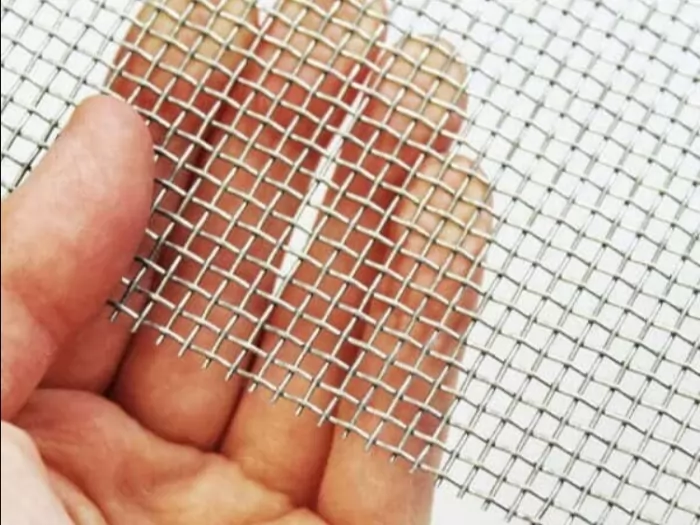
●Window and insect screening: Fine pre-galvanized woven mesh for windows, doors and ventilation openings.
●Machine guards: Protective barriers around fans, equipment and non-safety-critical mechanical openings.
●Agricultural applications: Greenhouses, livestock buildings, crop protection and general farm screening.
●Pest and animal exclusion: Barriers around vents, eaves, crawlspaces, storage areas and other structural openings.
●Construction support: Plaster, insulation or reinforcement support where permitted by the project specification.
●Landscaping and gardening: Plant support, garden protection and general-purpose outdoor barriers.
●Warehouses and utility buildings: Ventilation protection and debris exclusion in non-corrosive environments.
Galvanized wire mesh should not automatically be described as a certified safety guard, security barrier, load-bearing reinforcement, food-contact material or fire-rated component. These applications require system-specific engineering, installation and compliance documentation.
| Comparison | Galvanized Wire Mesh | Stainless Steel Wire Mesh |
| Initial Cost | Generally lower | Generally higher |
| Corrosion Protection | Depends on zinc coating weight, coating continuity and environmental exposure | Corrosion resistance is provided throughout the stainless steel material |
| Cut Edges | Exposed steel may begin to rust after cutting or coating damage | Cut edges retain the corrosion characteristics of the stainless steel grade |
| Coastal Environments | Service life may be reduced by salt and persistent moisture | 316 stainless steel is generally more suitable for chloride exposure |
| Chemical Resistance | Not recommended for many acids, alkalis or aggressive process fluids | Offers broader chemical compatibility when the correct grade is selected |
| Typical Selection | Economical general-purpose screening and protection | Demanding, hygienic, coastal or long-service applications |
| Comparison | Galvanized Steel Mesh | Plain Steel Mesh |
| Surface Protection | Zinc-coated for improved rust resistance | No protective zinc coating |
| Outdoor Suitability | Suitable for many normal outdoor applications | Requires painting, coating or controlled dry conditions |
| Appearance | Silver-gray galvanized surface | Dark steel surface that can oxidize |
| Maintenance | Lower maintenance while the zinc coating remains intact | Requires greater corrosion monitoring and surface protection |
| Cost | Higher than uncoated plain steel | Lower initial material cost |
Hebei Jiushen Wire Weaving Co., Ltd. has focused on wire weaving since 1998. The company operates a 20,000 m² site, including approximately 15,000 m² of production workshop and 5,000 m² of logistics space.
●100+ production and auxiliary machines: Equipment supports warping, weaving, inspection, slitting and packaging.
●Approximately 8 million m² annual output: Company-wide production capacity supports volume orders and repeat purchasing programs.
●Standard and custom production: Jiushen can evaluate standard specifications and non-standard mesh requirements.
●Integrated production management: Raw material, weaving, inspection, processing, packaging and delivery are managed by order.
●Technical selection support: Mesh count, wire diameter and coating requirements can be reviewed according to the application.
●Order traceability: Material, equipment, processing and inspection records can be linked to individual orders.
Learn more about Jiushen's production capacity and wire weaving experience.
Jiushen operates an ISO 9001:2015 quality management system. Galvanized mesh inspection should cover both the woven structure and the protective zinc coating.
●Inspect the steel wire. Raw wire diameter, surface condition and mechanical properties are checked according to the order requirements.
●Verify the galvanizing requirement. The galvanizing method, coating stage and required zinc coating are confirmed before production.
●Control the weaving process. Operators inspect mesh count, wire alignment, opening uniformity, edge condition and surface flatness.
●Inspect the finished mesh. Width, length, wire diameter, aperture, mesh surface, visible coating coverage and appearance are checked.
●Verify coating performance. Zinc coating weight, thickness or salt-spray requirements can be inspected using an agreed method when specified in the order.
●Maintain traceability. Product, equipment, production and inspection data can be recorded under the order number.
Salt-spray testing is useful for comparing coating systems under controlled conditions, but it does not provide an exact prediction of outdoor service life. Actual durability depends on zinc coating, humidity, salt, chemicals, installation and maintenance.
View Jiushen's complete quality control process.
●Low-carbon steel wire grade
●Galvanized before or after weaving
●Hot-dip or electro-galvanized surface
●Zinc coating weight or thickness
●Mesh count and clear opening
●Wire diameter and dimensional tolerance
●Plain weave, plain crimp or custom construction
●Roll width and roll length
●Raw, trimmed or selvaged edge
●Slitting and roll preparation
●Packaging and traceability labels
●Application: Screening, filtration, ventilation, insect control, agriculture, construction or equipment protection.
●Operating environment: Indoor, outdoor, humid, coastal, agricultural or chemically exposed.
●Construction: Woven mesh or another required construction.
●Mesh specification: Mesh count, clear opening or retained particle size.
●Wire diameter: Required diameter and acceptable tolerance.
●Galvanizing stage: Galvanized before weaving or galvanized after weaving.
●Galvanizing process: Hot-dip galvanized or electro-galvanized.
●Zinc coating: Minimum coating weight, thickness or required corrosion test.
●Roll dimensions: Required width, length and edge treatment.
●Quality documentation: Inspection report, traceability and customer-specific standards.
●Commercial information: Order quantity, delivery destination and required schedule.
The zinc coating delays corrosion but does not make the mesh permanently rust-proof. Rust may eventually develop after the zinc is consumed, damaged or removed, particularly at cut edges and in salt- or chemical-rich environments.
Hot-dip galvanizing generally provides a heavier zinc coating and is preferred for more demanding outdoor exposure. Electro-galvanizing provides a smoother, thinner coating and may be more suitable for indoor use or finer openings. The correct choice depends on the required coating weight and environment.
Galvanized-before-weaving mesh is woven from wire that already has a zinc coating. Galvanized-after-weaving mesh is woven first and coated afterward, providing additional coverage at wire intersections but potentially reducing small openings.
Fine mesh is usually produced from pre-galvanized wire because galvanizing after weaving can create zinc buildup and partially block small openings. The final construction should be confirmed according to mesh count, wire diameter and coating requirement.
Yes. It is widely used outdoors, but service life varies according to zinc coating weight, rainfall, humidity, salt exposure, pollution, cut edges and maintenance. A heavier hot-dip coating or stainless steel may be required in demanding environments.
Salt-containing air accelerates zinc consumption. Galvanized mesh may be used for temporary or cost-sensitive coastal applications, but 316 stainless steel is generally more suitable when long service life and chloride resistance are priorities.
Yes, when the clear opening, wire diameter, open area, dimensional tolerance and fluid compatibility meet the filtration requirements. It should not be used with process fluids that attack zinc or require stainless steel hygiene standards.
Temperature limits depend on the zinc coating, exposure duration and application. Prolonged high-temperature service can damage the coating and reduce corrosion protection. Provide the continuous and peak operating temperatures before material selection.
Cutting exposes the carbon steel core. Zinc offers limited sacrificial protection near small cuts, but exposed edges can eventually corrode. Edge sealing or an additional protective coating may be required.
The main factors are zinc coating weight, galvanizing method, moisture, salt, chemicals, temperature, coating damage, cut edges and maintenance. A fixed service-life claim should not be made without defined exposure and test conditions.
Price is influenced by steel-wire diameter, mesh count, roll dimensions, galvanizing stage, zinc coating weight, edge treatment, inspection requirements, packaging and order quantity.
Tell Jiushen what the mesh must retain, exclude or protect and describe its operating environment. Our team will help you confirm the mesh opening, wire diameter and zinc coating before preparing a quotation.
Contact Jiushen for custom galvanized wire mesh specifications and factory pricing.
Galvanized Wire Mesh
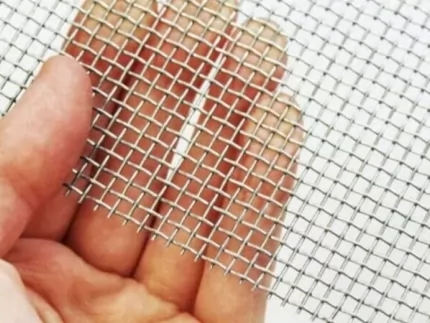
Galvanized Wire Mesh
Copyright © Hebei Jiushen Wire Weaving Co., Ltd. All Rights Reserved. |
Sitemap
| Technical Support: