+86 182 3185 8969
+86 182 3185 8969

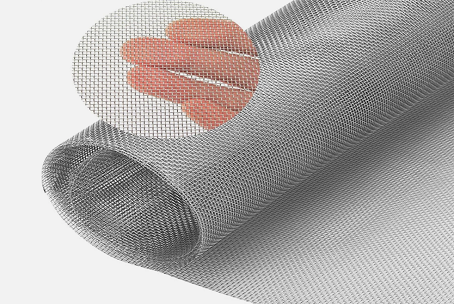
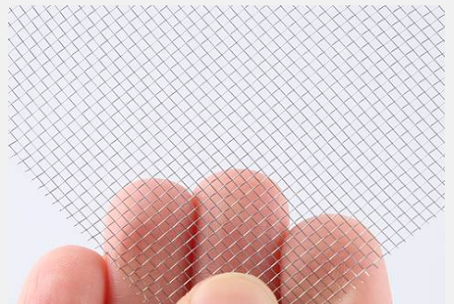
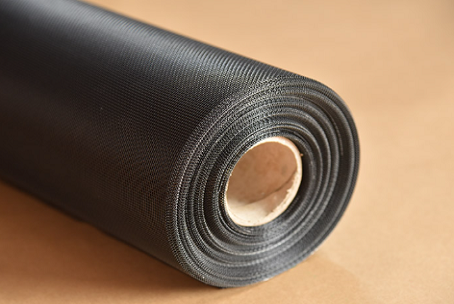
As Southeast Asia’s construction landscape rapidly modernizes, Thailand is emerging as a leader in green building transformation. Driven by stricter environmental policies, energy efficiency mandates, and global sustainability certifications, the nation’s construction industry is embracing eco-friendly materials and design systems at an unprecedented pace. Among the technologies benefiting from this shift is the aluminium mesh screen — a versatile, sustainable, and high-performance building material increasingly integrated into façades, ventilation systems, and shading applications across commercial and residential projects.
This article explores how Thailand’s push for green building standards is reshaping material demand, the key advantages of aluminium mesh in sustainable design, and why the industry is rapidly transitioning toward energy-efficient, recyclable, and low-maintenance solutions.
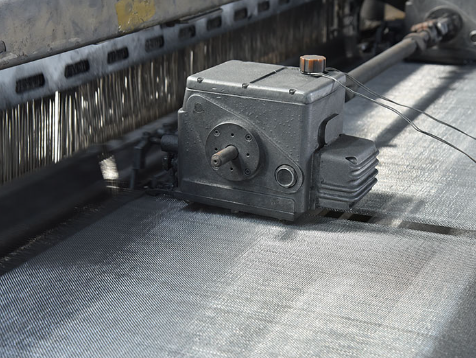
In the past decade, Thailand’s construction industry has evolved from cost-driven development to sustainability-centered planning. Several national initiatives and international partnerships have accelerated the adoption of green construction practices.
Thailand’s Ministry of Energy and Ministry of Natural Resources and Environment have introduced multiple frameworks promoting energy efficiency, including:
Thailand Energy Efficiency Plan (EEP 2037): Targets a 30% reduction in energy intensity across industries by 2037.
Building Energy Code (BEC): Mandates stricter control of heat transfer, ventilation, and daylighting in new buildings.
Thailand Green Building Institute (TGBI): Oversees certification systems aligned with global benchmarks such as LEED (Leadership in Energy and Environmental Design) and TREES (Thai’s Rating of Energy and Environmental Sustainability).
These policies have pushed architects and developers to adopt sustainable materials and smart architectural solutions, particularly in urban centers like Bangkok, Chiang Mai, and Phuket.
According to industry data, green-certified buildings in Thailand grew by over 60% between 2019 and 2024, led by the commercial office, hospitality, and healthcare sectors. Developers are increasingly viewing LEED and TREES certifications not as marketing tools, but as investment standards that attract international tenants and reduce operational costs.
As part of this transformation, façade engineering has become a focal point of energy optimization, and aluminium mesh screens are among the fastest-growing categories in building envelope materials.
Aluminium mesh screens combine functionality, durability, and sustainability, making them integral to modern green building design. These systems not only contribute to aesthetic appeal but also directly improve a building’s energy efficiency and environmental performance.
One of the primary uses of aluminium mesh is as a solar shading façade. By reflecting and diffusing sunlight, these screens reduce solar heat gain, minimizing the load on HVAC systems.
Energy Saving: Studies show that well-designed aluminium mesh facades can reduce cooling energy consumption by up to 25%.
Daylight Optimization: Mesh panels allow controlled daylight penetration, maintaining natural illumination while reducing glare.
Aluminium mesh designs promote passive cooling and natural ventilation, crucial for tropical climates like Thailand’s. Installed in windows, balconies, or building skins, they help improve indoor air quality without compromising privacy or security.
Compared to steel, aluminium offers a superior strength-to-weight ratio. Mesh panels are easy to fabricate, install, and maintain, reducing structural load while ensuring long-term stability.
Thailand’s humid, coastal climate demands materials that resist corrosion. Aluminium’s natural oxide layer provides inherent protection against rust and degradation — a major advantage over ferrous metals in outdoor applications.
Architects value aluminium mesh screens for their modern, dynamic appearance. Available in various weaves, perforations, and anodized finishes, they integrate seamlessly into contemporary designs, from curtain walls and parking façades to sunshade louvers and decorative panels.
Integrating aluminium mesh systems contributes directly to key credits under LEED and TREES certification frameworks.
| Sustainability Category | Contribution of Aluminium Mesh Screen |
|---|---|
| Energy & Atmosphere | Enhances passive cooling and daylight management |
| Materials & Resources | 100% recyclable aluminium, low embodied carbon |
| Indoor Environmental Quality | Improves natural ventilation and daylight balance |
| Innovation in Design | Supports façade-integrated energy strategies |
Additionally, using locally fabricated mesh panels aligns with regional material sourcing credits, promoting Thailand’s domestic aluminium manufacturing and reducing transportation-related emissions.
High-rise projects in Bangkok increasingly feature aluminium mesh façades to comply with BEC and TREES standards. They help lower cooling demands while creating distinct architectural identities.
Universities and hospitals are integrating aluminium mesh shading systems to balance daylight and privacy, reducing glare in learning and patient areas.
Luxury condominiums and modern homes are adopting aluminium mesh for balconies, gates, and exterior façades, combining sustainability with design aesthetics.
Factories, warehouses, and transport terminals use aluminium mesh for ventilation, enclosure, and security screening, benefiting from its strength and low maintenance.
Thailand’s construction material manufacturers are now offering custom-engineered aluminium mesh solutions tailored for different structural and environmental needs.
Perforation & Weaving Precision: CNC and laser-cut technology allow exact control over mesh pattern and aperture size.
Anodized & Powder-Coated Finishes: Offer enhanced UV resistance, color variety, and aesthetic consistency.
Integration with Smart Systems: Some advanced designs include sensor-embedded panels for monitoring sunlight, temperature, or air quality.
The shift toward local fabrication has also reduced dependency on imports, aligning with Thailand’s Bio-Circular-Green (BCG) Economy Model, which encourages domestic innovation and sustainability.
| Property | Aluminium Mesh Screen | Steel Mesh | PVC or Plastic Mesh |
|---|---|---|---|
| Weight | Lightweight | Heavy | Light |
| Corrosion Resistance | Excellent | Poor | Moderate |
| Recyclability | 100% recyclable | Limited | Non-recyclable |
| Maintenance | Low | High | Medium |
| Aesthetic Flexibility | High | Medium | Low |
| Lifespan | 20+ years | 10–15 years | 5–8 years |
The superior balance of durability, energy performance, and recyclability makes aluminium mesh a key enabler of Thailand’s green building goals.
As Thailand continues to urbanize, green construction materials will dominate procurement decisions. By 2030, the country aims for all new large-scale projects to adhere to high-efficiency energy codes.
The aluminium mesh segment is expected to grow steadily due to:
Expanding LEED/TREES-certified construction
Government investment in eco-friendly public infrastructure
Rising consumer awareness of sustainable architecture
Increased adoption of façade-integrated energy systems
With its combination of performance, recyclability, and design adaptability, aluminium mesh will remain a preferred material for architects and developers prioritizing long-term sustainability.
To maximize performance, consider the following factors when choosing aluminium mesh for green building projects:
Mesh Density & Open Area: Affects airflow, light diffusion, and shading efficiency.
Coating Type: Choose anodized or powder-coated finishes for UV and corrosion resistance.
Thickness & Strength: Determine mechanical stability and wind load resistance.
Integration Design: Ensure compatibility with curtain wall systems and structural frameworks.
Sustainability Certification: Source materials compliant with ISO 14001 or LEED material standards.
Thailand’s ambitious green building initiatives are transforming the nation’s construction landscape — redefining how materials, design, and sustainability intersect. The growing emphasis on energy efficiency, reduced carbon footprint, and long-lasting architecture has positioned aluminium mesh screens as a cornerstone of modern building design.
From solar-shading façades to ventilation panels and architectural claddings, aluminium mesh enables developers to achieve both functional efficiency and aesthetic sophistication. Its durability, recyclability, and low maintenance perfectly align with Thailand’s green transformation roadmap.
For architects, developers, and builders seeking sustainable aluminium mesh solutions that meet international standards while delivering customized performance, Jiushen stands as a trusted partner. With advanced production capabilities, design flexibility, and a commitment to green innovation, Jiushen provides cutting-edge aluminium mesh screen systems that empower Thailand’s vision for a smarter, greener, and more energy-efficient future.
Copyright © Hebei Jiushen Wire Weaving Co., Ltd. All Rights Reserved. |
Sitemap
| Technical Support: