+86 182 3185 8969
+86 182 3185 8969

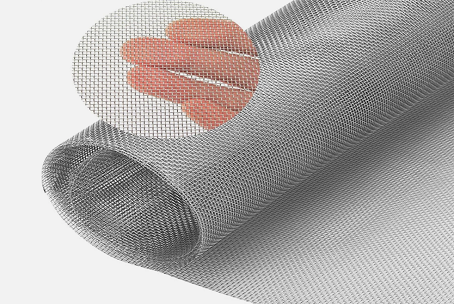
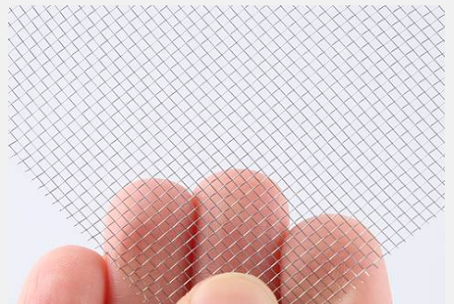
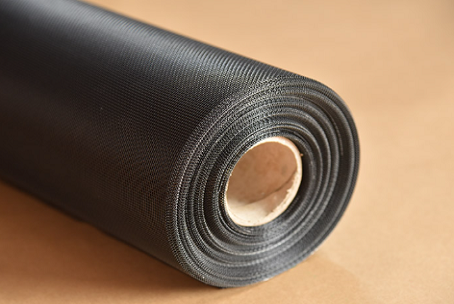
As Malaysia advances toward its Smart City Blueprint 2030, the nation’s urban development priorities are shifting toward sustainability, energy efficiency, and technological integration. Across Kuala Lumpur, Penang, Johor Bahru, and emerging secondary cities like Kuching and Kota Kinabalu, smart infrastructure projects are redefining how buildings, transportation systems, and utilities interact. Among the lesser-known yet crucial components of this transformation is the use of durable aluminium mesh screens — an architectural and functional material now widely adopted in facades, ventilation systems, and energy-efficient building envelopes.
This article explores how Malaysia’s smart city vision is driving demand for high-performance aluminium mesh screens, their role in green architecture, and why they are rapidly replacing traditional materials such as steel, PVC, and composite meshes.
The Malaysia Smart City Framework, launched by the Ministry of Housing and Local Government (KPKT), outlines a roadmap for cities to adopt data-driven, sustainable, and human-centered urban solutions. Core pillars of this initiative include:
Smart Environment: Reducing carbon emissions through energy-efficient architecture and sustainable materials.
Smart Infrastructure: Incorporating IoT-enabled systems in transportation, water, and power networks.
Smart Living: Enhancing comfort, safety, and environmental quality for urban residents.
Smart Economy: Encouraging green industries and technology-based manufacturing.
Within this national transformation, the construction and building materials sector plays a foundational role. Developers and architects are under pressure to deliver structures that combine aesthetics, performance, and sustainability, driving interest in materials that can meet these demands.
This is where aluminium mesh screens — once used mainly for industrial ventilation or fencing — have evolved into architectural-grade components vital for Malaysia’s next-generation buildings.
Malaysia’s smart city projects focus on intelligent, eco-friendly, and adaptive design. Aluminium mesh screens align perfectly with these principles through their durability, versatility, and sustainability credentials.
Malaysia’s tropical climate presents persistent challenges of heat, humidity, and high UV exposure. Aluminium mesh, with its reflective surface, helps mitigate solar heat gain while maintaining ventilation.
Heat Reflection: Reduces indoor temperatures by up to 4–6°C compared to untreated facades.
Natural Ventilation: Promotes air circulation without compromising security.
Reduced Cooling Loads: Contributes to lower air-conditioning energy consumption — critical in green building certification.
Unlike steel or galvanized mesh, aluminium does not rust or corrode even under coastal humidity or acid rain, making it ideal for Malaysia’s tropical and maritime climate. This ensures longer lifespans and lower maintenance in high-rise buildings and public infrastructure.
Aluminium mesh provides a sleek, contemporary texture that architects favor for smart city façades. Its anodized or powder-coated finishes offer customizable colors, enabling creative integration into modern architecture while maintaining function.
Aluminium is 100% recyclable and retains its properties indefinitely, aligning with Malaysia’s Circular Economy Roadmap (2023–2040) and the Green Technology Master Plan.
In smart buildings equipped with automated shading, lighting, and airflow control, aluminium mesh can be seamlessly integrated with sensors and actuators. This allows dynamic control of sunlight and ventilation, contributing to energy management systems (EMS) and occupant comfort.
Aluminium mesh screens are being incorporated into diverse urban developments under Malaysia’s smart city initiatives.
In smart office towers and mixed-use developments, aluminium mesh is used as an external shading and decorative facade. Its reflective surface reduces heat absorption, enhancing building energy performance index (BEPI) scores.
Example: Kuala Lumpur’s TRX Financial District incorporates mesh façade elements for both aesthetic differentiation and thermal control.
Ventilated aluminium mesh panels provide natural airflow in multi-story car parks and light rail transit (LRT) stations, minimizing the need for mechanical ventilation.
Example: Johor’s Iskandar Malaysia Smart Mobility Zone uses perforated aluminium panels for bus and EV charging stations, enhancing airflow and visibility while maintaining structural durability.
Aluminium mesh screens act as structural support for climbing plants or protective layers in rooftop gardens, promoting green infrastructure integration.
Smart grids, data centers, and power substations require non-corrosive protective barriers. Aluminium mesh enclosures provide safety, heat dissipation, and long-term weather resistance.
Urban parks, pedestrian walkways, and bus shelters increasingly use aluminium mesh for shading and decorative cladding — combining functionality with public design aesthetics.
| Parameter | Aluminium Mesh Screen | Steel Mesh (Galvanized/Stainless) |
|---|---|---|
| Weight | Light (⅓ density of steel) | Heavy |
| Corrosion Resistance | Excellent | Moderate to Poor |
| Reflectivity | High (Heat-reducing) | Low |
| Lifespan | 15–25 years | 5–10 years |
| Recyclability | 100% | 60–80% |
| Maintenance | Low | Frequent |
| Cost Over Lifecycle | Low | High |
| Aesthetic Flexibility | Excellent | Limited |
The comparison clearly demonstrates that aluminium mesh delivers superior lifecycle value, particularly in Malaysia’s humid and saline environment.
Malaysia’s Green Building Index (GBI) and MyHIJAU Mark encourage the adoption of energy-efficient materials that contribute to environmental performance. Aluminium mesh screens support multiple GBI scoring categories:
Energy Efficiency (EE): By reducing cooling energy consumption through passive shading.
Indoor Environmental Quality (EQ): By enhancing natural ventilation and daylight control.
Sustainable Materials (SM): Through recyclability and long lifespan.
These advantages make aluminium mesh an important contributor to LEED and GBI-certified developments, especially as Malaysia’s real estate market becomes increasingly sustainability-driven.
When selecting aluminium mesh for smart city projects, engineers and architects should consider:
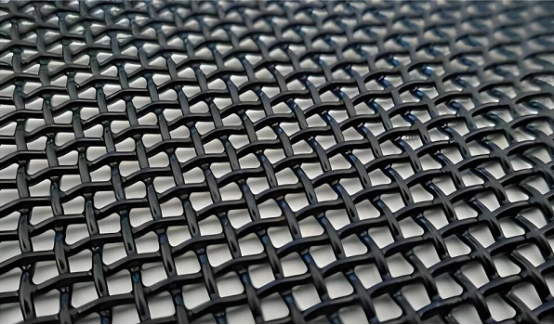
Mesh Pattern and Aperture: Determines light penetration, airflow, and privacy levels.
Surface Finish: Anodized, powder-coated, or fluorocarbon finishes enhance corrosion resistance and color retention.
Thickness and Tensile Strength: Adapted for facade loads, wind pressure, and structural integration.
Installation Method: Modular frames or tension systems improve installation efficiency and maintenance access.
Fire and Safety Standards: Aluminium mesh is non-combustible and meets ASTM and BS standards for facade materials.
Selecting the appropriate specification ensures the mesh performs optimally under Malaysia’s high humidity and UV exposure conditions.
Recent Malaysian projects showcase aluminium mesh’s versatility and performance:
Penang Tech Dome and Smart Learning Hub: Uses perforated aluminium mesh for solar shading and visual impact.
Putrajaya Green Precincts: Integrates expanded aluminium mesh panels in building facades for ventilation and heat control.
Kuala Lumpur Tower Redevelopment: Employs anodized aluminium mesh as a lightweight cladding solution to reduce structural load.
Johor Smart Industrial Park (JSIP): Utilizes aluminium mesh for factory ventilation and equipment screening to improve airflow and reduce corrosion.
These examples underline aluminium mesh’s emergence as a preferred material for Malaysia’s future-ready infrastructure.
Malaysia’s next phase of construction evolution — Construction 5.0 — emphasizes digital integration, automation, and sustainability. Aluminium mesh aligns with these priorities in several ways:
Integration with smart sensors: Enables real-time monitoring of airflow and temperature.
Lightweight modular design: Facilitates prefabrication and on-site assembly.
Recyclable composition: Supports Malaysia’s circular economy and net-zero carbon commitments.
Aesthetic flexibility: Matches the architectural language of modern smart cities.
As infrastructure grows more complex, aluminium mesh screens will continue to play a pivotal role in bridging technology, design, and sustainability in Malaysia’s built environment.
Malaysia’s push toward smart, sustainable, and resilient cities is reshaping material choices across the construction industry. Aluminium mesh screens have become an essential component in achieving the nation’s Smart City Blueprint goals, offering unparalleled corrosion resistance, energy efficiency, and design flexibility compared to traditional steel mesh alternatives.
From climate-adaptive facades and smart mobility hubs to green industrial parks and public infrastructure, aluminium mesh empowers architects and engineers to build cities that are both intelligent and environmentally responsible.
For developers and contractors seeking high-quality, customizable aluminium mesh solutions designed for Malaysia’s humid climate and future-ready architecture, Jiushen provides advanced mesh technologies engineered for durability, performance, and sustainability.
With Jiushen aluminium mesh systems, Malaysia’s smart cities can rise stronger, cooler, and greener — building a future where technology and sustainability truly mesh together.
Copyright © Hebei Jiushen Wire Weaving Co., Ltd. All Rights Reserved. |
Sitemap
| Technical Support: