+86 182 3185 8969
+86 182 3185 8969

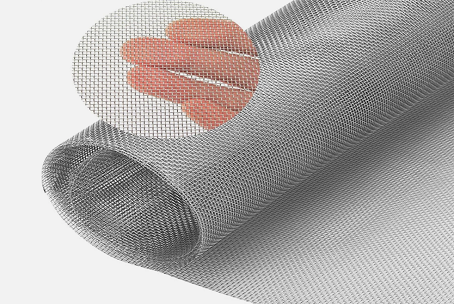
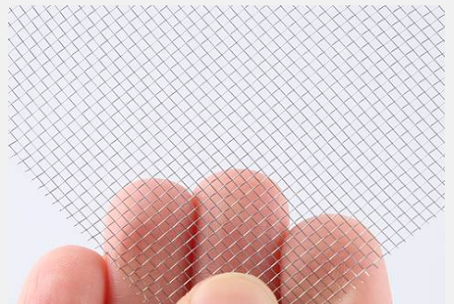
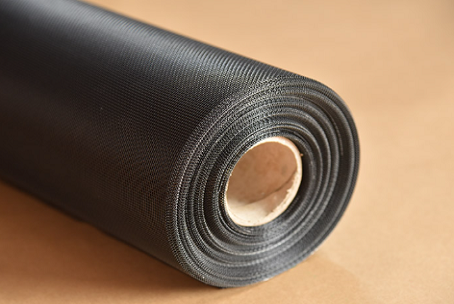
As Thailand moves through another intense monsoon season, the country’s construction sector once again faces the familiar challenges of humidity, corrosion, and material degradation. When the rains subside, contractors rush to resume delayed projects — from residential high-rises in Bangkok to industrial parks in Chonburi and logistics hubs in Rayong. Amid this seasonal recovery, a clear material preference has emerged: aluminium mesh screens are rapidly replacing steel mesh across multiple construction applications.
This shift is not just a passing trend — it reflects deeper structural changes in Thailand’s construction priorities, including the pursuit of durability, sustainability, and lifecycle cost-efficiency. In this article, we analyze how post-monsoon conditions are reshaping material choices, why aluminium mesh is outperforming steel, and what this means for the future of the Thai construction industry.
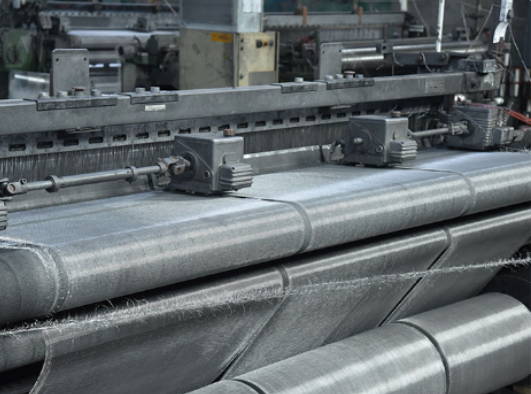
Every year, Thailand’s monsoon season (typically May to October) brings heavy rainfall, flooding, and prolonged humidity. For the construction sector, this results in:
Delays in site work due to flooding or unstable soil.
Corrosion of exposed materials, especially steel components.
Increased maintenance costs from water-induced deterioration.
Tighter deadlines in the dry season to compensate for lost time.
As a result, when the dry season begins, contractors prioritize durable, low-maintenance materials that can withstand both the harsh monsoon conditions and the dry-season heat that follows.
In this environment, aluminium mesh has become a go-to solution for cladding, ventilation screens, facades, insect barriers, and architectural shading — replacing traditional galvanized or stainless steel meshes in many projects.
Mesh materials play crucial roles in Thailand’s modern architectural and infrastructure projects:
Ventilation and shading in residential and commercial buildings.
Safety and debris containment on construction scaffolds.
Insect and debris barriers in ventilation systems.
Architectural facades that enhance aesthetics while providing functional airflow.
For decades, steel mesh was the industry standard due to its perceived strength and availability. However, repeated exposure to Thailand’s humid, salty, and acidic environments has revealed steel’s vulnerabilities — particularly in coastal and urban areas with high pollution.
Thailand’s monsoon rains often carry high salt and acidity, accelerating corrosion in untreated or even galvanized steel meshes.
Aluminium mesh, by contrast, forms a natural oxide layer that prevents rust and surface degradation. This corrosion resistance ensures longer lifespan and reduced maintenance — a major advantage for projects located in coastal provinces such as Pattaya, Samut Prakan, or Songkhla.
Aluminium mesh provides high tensile strength despite being 30–40% lighter than steel. For post-monsoon reconstruction, where speed and transportability are critical, aluminium’s lightweight nature reduces installation time and handling costs.
In high-rise construction, the reduced structural load also contributes to improved building safety and design flexibility.
In Thailand’s tropical climate, managing heat gain is essential. Aluminium mesh reflects solar radiation, keeping interiors cooler while allowing natural light diffusion.
This makes it ideal for architectural facades, shading systems, and roof ventilations where energy efficiency and occupant comfort are key design goals.
While aluminium mesh has a higher initial cost than steel mesh, its longer service life, minimal corrosion, and reduced maintenance translate to significantly lower lifecycle costs.
Contractors are increasingly calculating not just upfront expenses, but total cost of ownership (TCO) — a perspective that favors aluminium in Thailand’s harsh environmental conditions.
Thailand’s construction industry is aligning with LEED and TREES (Thai Rating of Energy and Environmental Sustainability) certifications. Aluminium, being 100% recyclable, supports these green initiatives, reducing waste and energy consumption during manufacturing and disposal.
This eco-friendly attribute positions aluminium mesh as a preferred material for developers committed to sustainable construction practices.
| Property | Aluminium Mesh | Steel Mesh (Galvanized/Stainless) |
|---|---|---|
| Weight | Light | Heavy |
| Corrosion Resistance | Excellent | Moderate to Poor |
| Thermal Conductivity | High (heat reflective) | Low |
| UV Resistance | Excellent | Average |
| Maintenance | Minimal | Frequent |
| Recyclability | 100% | 70–80% |
| Aesthetic Options | Powder coating, anodizing | Limited finishes |
| Cost Over Lifecycle | Low | High |
The comparison highlights that aluminium mesh offers superior performance-to-cost ratio, particularly in environments exposed to monsoon moisture and coastal air.
Post-monsoon building projects emphasize natural airflow to prevent mold and humidity buildup. Aluminium mesh panels are now widely used in louvered facades and shading canopies, balancing ventilation with solar protection.
Architects favor aluminium mesh for modern aesthetic facades that combine functionality and design appeal. The material’s reflective and textural qualities add visual depth while improving building performance.
From power substations to wastewater treatment plants, aluminium mesh offers non-corrosive, conductive, and low-maintenance protection for sensitive equipment.
After flooding, steel structures often show significant corrosion damage. Aluminium mesh, by contrast, resists oxidation and is easier to clean and reuse, reducing waste in reconstruction phases.
In agricultural or semi-industrial regions, fine aluminium mesh serves as insect-proof barriers that withstand rain and humidity without sagging or rusting.
Thailand’s post-monsoon rebuilding trend aligns with its National Energy Plan and BCG (Bio-Circular-Green) Economy Model, which emphasize:
Reduced carbon footprint in construction materials
Energy-efficient building envelopes
Use of recyclable metals and modular designs
Aluminium mesh directly supports these objectives through:
Reduced cooling energy demand (via heat reflection)
Longer lifespan (lower material turnover)
Recyclability (closing the loop in construction materials)
As Thailand targets net-zero carbon by 2065, the adoption of aluminium mesh is becoming both a technical necessity and environmental responsibility.
In recent years, major Thai contractors and developers have incorporated aluminium mesh in both new and renovation projects:
Bangkok commercial complexes now feature aluminium mesh facades for thermal efficiency.
Eastern Seaboard industrial zones use aluminium ventilation panels to resist corrosion from sea air.
Chiang Mai university buildings integrate aluminium mesh shading systems to meet TREES certification requirements.
The consistent feedback from contractors includes faster installation, reduced maintenance labor, and improved long-term performance — making aluminium mesh the default choice for upcoming post-monsoon projects.
When specifying aluminium mesh for construction applications, key parameters include:
Mesh Type: Woven, expanded, or perforated designs based on ventilation and strength requirements.
Thickness and Gauge: Heavier gauges for structural protection; lighter for facade or shading.
Surface Treatment: Anodized or powder-coated finishes improve corrosion and UV resistance.
Mounting System Compatibility: Ensure mesh panels integrate smoothly with curtain walls or modular frames.
Local Climate Adaptation: Choose mesh reflectivity and aperture suited for Thailand’s high solar radiation and humidity.
Proper selection ensures the mesh system delivers maximum lifespan and efficiency under post-monsoon conditions.
The future of Thailand’s construction industry is moving toward digitization, sustainability, and material intelligence.
Aluminium mesh systems are poised to play an even greater role through:
Integration with smart building systems, enabling automated shading and airflow control.
Hybrid facade designs combining aluminium mesh with photovoltaic panels for energy generation.
Prefabricated modular installations that reduce on-site labor and construction waste.
As urbanization continues and environmental regulations tighten, the preference for lightweight, corrosion-resistant, and recyclable materials like aluminium mesh will only intensify.
Thailand’s post-monsoon construction recovery is not just about rebuilding — it’s about building smarter and stronger. Aluminium mesh screens are redefining performance expectations across architecture, infrastructure, and industrial applications by offering unmatched resistance to corrosion, superior thermal control, and long-term cost savings.
While steel mesh still has its place in certain heavy-duty applications, the future clearly favors materials that can endure Thailand’s humid climate, align with sustainability goals, and support rapid construction timelines.
For contractors, engineers, and developers seeking high-quality, customizable aluminium mesh solutions designed for Thailand’s tropical environment, Jiushen stands as a trusted partner. With advanced manufacturing expertise and a deep understanding of local climate demands, Jiushen delivers durable and sustainable aluminium mesh systems that empower the next generation of Thai construction — resilient, efficient, and ready for the future.
Copyright © Hebei Jiushen Wire Weaving Co., Ltd. All Rights Reserved. |
Sitemap
| Technical Support: