+86 182 3185 8969
+86 182 3185 8969

In recent years, Vietnam has witnessed a remarkable transformation in urban architecture. Modern buildings are increasingly designed with sustainability, energy efficiency, and aesthetic appeal in mind. Among the emerging trends, aluminium mesh facades have gained significant attention for their ability to combine functional performance with contemporary design. Architects, engineers, and developers are exploring these lightweight, durable, and versatile systems to achieve energy-efficient, visually striking buildings.
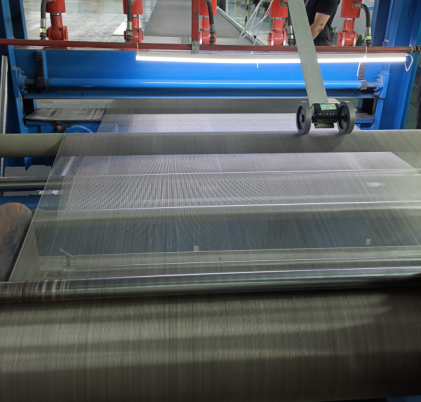
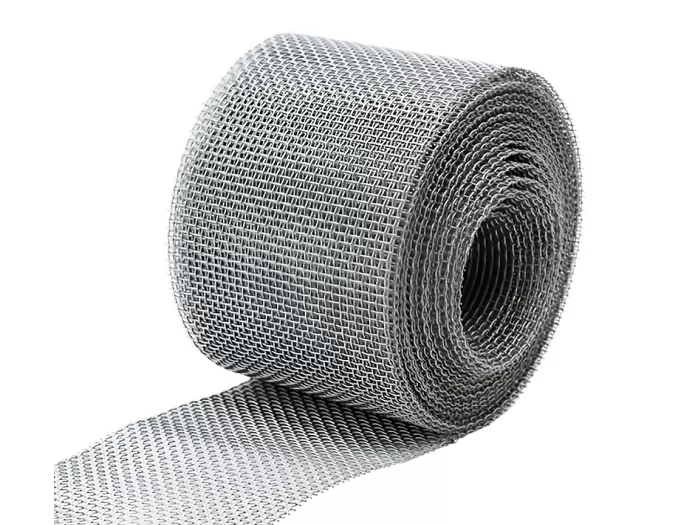
An aluminium mesh facade is a cladding system composed of woven or perforated aluminium panels installed on the exterior of a building. The panels are often mounted on a subframe that allows ventilation and shading, while providing structural support and architectural appeal.
Key features include:
· Lightweight construction: Reduces structural load and foundation requirements
· Durable aluminium material: Resistant to corrosion, weathering, and UV exposure
· Permeable design: Allows airflow while blocking direct sunlight
· Versatile patterns and finishes: From fine woven mesh to bold geometric perforations
Aluminium mesh facades have become a popular choice for commercial buildings, residential towers, and institutional projects in Vietnam, especially in tropical and subtropical climates where solar heat gain can significantly impact energy consumption.
One of the primary energy-saving advantages of aluminium mesh facades is their ability to reduce solar heat gain. By filtering sunlight before it reaches the building envelope:
· Internal cooling loads decrease
· Air conditioning systems operate more efficiently
· Energy bills are reduced without sacrificing natural daylight
Architects can customize mesh density, orientation, and perforation patterns to optimize shading for each façade.
The semi-permeable nature of aluminium mesh facilitates passive ventilation, allowing hot air to escape while maintaining airflow. This helps:
· Reduce reliance on mechanical ventilation
· Improve indoor thermal comfort
· Lower overall building energy consumption
Aluminium mesh facades allow diffused natural light to penetrate interior spaces, minimizing the need for artificial lighting during the day. Properly designed mesh systems can:
· Reduce glare
· Maintain visual comfort
· Contribute to LEED or local green building certification points
Beyond energy performance, aluminium mesh facades offer creative architectural possibilities:
· Custom patterns and textures: Architects can create visually striking exteriors with woven, perforated, or expanded mesh designs
· Material finishes: Powder coating, anodizing, or metallic finishes allow integration with the overall color scheme
· Dynamic façades: Some modern projects incorporate moving mesh panels to adjust shading according to sunlight and weather conditions
· Integration with greenery: Mesh panels can support vertical gardens or climbing plants, further improving energy performance and aesthetics
This combination of functionality and design makes aluminium mesh facades particularly attractive for high-end residential buildings, corporate headquarters, and cultural facilities.
Feature | Aluminium Mesh Facade | Glass / Solid Cladding |
Weight | Lightweight | Heavier, requires stronger structural support |
Energy Efficiency | High (shading + ventilation) | Lower, may require extra shading devices |
Maintenance | Low (corrosion-resistant) | Medium (cleaning and sealing required) |
Durability | High (corrosion and UV-resistant) | Glass may crack; solid panels may fade |
Design Flexibility | High (patterns, textures, finishes) | Medium to low |
Cost Efficiency | Medium to high initial cost, long-term savings | Varies, may increase HVAC load |
By comparison, aluminium mesh facades reduce the overall carbon footprint and long-term energy costs while providing architectural freedom.
When specifying aluminium mesh facades in Vietnamese projects, several key factors influence selection and performance:
· Mesh Material and Alloy Grade: Ensure high-quality aluminium alloy with corrosion-resistant properties suitable for tropical climates.
· Panel Thickness and Structural Strength: Adequate thickness ensures durability while maintaining lightweight benefits.
· Finish and Coating: Powder coating or anodizing enhances UV and corrosion resistance. Choose finishes compatible with local climate and aesthetic design.
· Customization and Fabrication: Consider custom mesh patterns for branding or unique architectural identity. Evaluate fabrication lead time and logistics for large-scale projects.
· Installation and Maintenance: Verify subframe design for structural stability and ventilation performance. Evaluate ease of cleaning and replacement if required.
· Compliance with Local Standards: Ensure adherence to fire safety, wind load, and building codes in Vietnam.
Proper procurement planning ensures that aluminium mesh facades deliver both energy efficiency and long-term durability.
Several modern projects in Ho Chi Minh City, Hanoi, and Da Nang have successfully adopted aluminium mesh facades:
· Commercial office towers: Reduced cooling energy consumption by up to 20%
· Residential complexes: Enhanced aesthetic appeal while improving thermal comfort
· Cultural and public buildings: Integrated patterns that reflect local art and traditions, doubling as solar shading devices
These examples demonstrate how aluminium mesh facades balance functionality, energy efficiency, and cultural expression.
Several factors are accelerating the use of aluminium mesh facades in Vietnam:
· Rising energy costs: Developers are seeking passive design strategies to reduce HVAC load
· Tropical climate challenges: High solar radiation and humidity necessitate efficient shading and ventilation
· Architectural innovation: Urban projects demand facades that are both functional and visually engaging
· Sustainability certifications: LEED, LOTUS, and other green building standards encourage energy-efficient façade solutions
By embracing aluminium mesh, architects achieve energy-efficient, cost-effective, and sustainable buildings.
Aluminium mesh facades represent a perfect synergy of modern aesthetics, energy efficiency, and sustainability in Vietnamese architecture. By controlling solar heat gain, enabling passive ventilation, and allowing creative design patterns, these facades reduce energy consumption and enhance occupant comfort.
For developers and architects seeking high-performance solutions, aluminium mesh facades offer long-term durability, design versatility, and measurable energy savings. From residential towers to commercial complexes, this trend is redefining the Vietnamese skyline.
For reliable supply and customized solutions, Jiushen Aluminium Window Screens provide high-quality aluminium mesh systems that integrate seamlessly into modern architectural designs.
Copyright © Hebei Jiushen Wire Weaving Co., Ltd. All Rights Reserved. |
Sitemap
| Technical Support: