+86 182 3185 8969
+86 182 3185 8969

Coastal architecture presents unique challenges for designers and builders. Buildings near the ocean are exposed to high humidity, salty air, strong winds, and intense sunlight, which accelerate corrosion and material degradation. To address these issues, architects in coastal regions are increasingly turning to aluminium mesh screens as a solution that combines durability, aesthetic flexibility, and energy efficiency.
This article explores the rising trend of aluminium mesh screens in coastal architecture, their benefits for corrosion resistance, design applications, procurement considerations, and why they have become essential for sustainable, long-lasting coastal buildings.
Coastal buildings face environmental conditions that pose significant threats to conventional construction materials:
· Salt-laden air: Accelerates corrosion in steel, iron, and some alloys
· High humidity: Promotes material oxidation and degradation
· Strong winds: Can damage façades, screens, and lightweight cladding
· UV exposure: Sunlight fades colors and weakens certain plastics or coatings
These conditions demand resilient materials that maintain structural integrity and aesthetic appeal. Aluminium mesh screens have emerged as a solution due to their natural corrosion resistance, lightweight design, and customizable appearance.
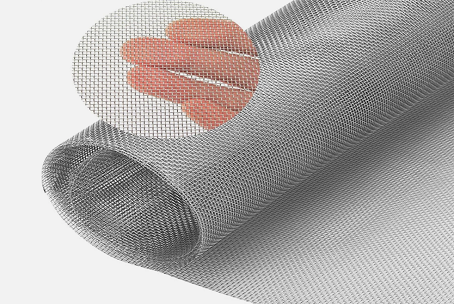
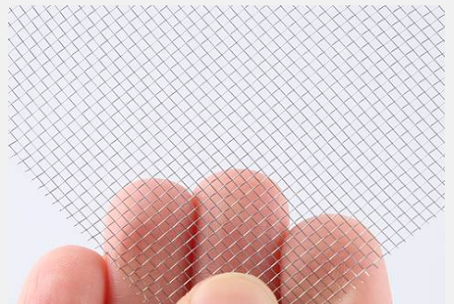
Aluminium mesh screens are panels made from woven, perforated, or expanded aluminium sheets, installed as façades, sunscreens, window panels, or partitions. Key features include:
· Corrosion resistance: Aluminium naturally forms a protective oxide layer, enhanced by anodizing or powder coating
· Lightweight construction: Reduces structural load and simplifies installation
· Ventilation and shading: Allows airflow while blocking direct sunlight
· Design flexibility: Patterns, perforations, and finishes can be customized
They provide a balance of performance, sustainability, and visual appeal, making them increasingly popular in modern coastal architecture.
Aluminium develops a thin oxide layer when exposed to air, which acts as a protective barrier against moisture and salt:
· Prevents rust formation
· Extends panel lifespan
· Maintains structural integrity over time
For coastal applications, aluminium mesh screens can be treated with:
· Anodization: Increases surface hardness, corrosion resistance, and UV stability
· Powder coating: Provides a decorative finish and protection against salt and moisture
· Marine-grade alloys: Superior durability in highly corrosive environments
Unlike steel or traditional metal screens, aluminium mesh requires minimal upkeep:
· No frequent repainting or anti-corrosion treatment
· Easy cleaning with water and mild detergents
· Long-lasting appearance and functionality in coastal climates
Aluminium mesh screens reduce solar heat gain, improving indoor comfort and lowering cooling loads:
· Reduces electricity bills
· Decreases HVAC system strain
· Optimizes daylight without glare
Mesh screens allow partial airflow, reducing wind pressure on façades during storms:
· Protects the building envelope
· Enhances occupant safety
· Reduces repair costs after extreme weather
Perforated or woven aluminium screens offer visual privacy while maintaining ventilation and natural light:
· Ideal for residential balconies, terraces, and office façades
· Provides a security layer without compromising aesthetics
Aluminium mesh screens provide architects with unmatched creative freedom:
· Custom patterns: Geometric, woven, or perforated designs
· Finish options: Matte, glossy, metallic, or color-coated
· Integration with landscaping: Supports vertical gardens and greenery for sustainable cooling
· Hybrid façades: Combine aluminium mesh with glass, concrete, or wood panels
This functionality allows coastal buildings to remain visually striking while performing efficiently in harsh environments.
· Balcony screens and window façades protect interiors from salt, wind, and rain
· Improves energy efficiency and privacy for apartments near the coast
· Create lightweight façades that withstand coastal storms
· Can be customized for branding or thematic design aesthetics
· Office towers, shopping complexes, and restaurants benefit from shading, ventilation, and corrosion resistance
· Reduces long-term maintenance costs in tropical coastal climates
· Parking structures, schools, and community centers can adopt aluminium mesh screens for durable and low-maintenance protection
· Supports safety and resilience against salt air and high humidity
When selecting aluminium mesh screens for coastal architecture, developers should consider:
· Material Grade: Marine-grade aluminium alloys with enhanced corrosion resistance
· Finish Type: Anodized, powder-coated, or painted to prevent oxidation and UV damage
· Panel Thickness and Structural Strength: Sufficient to withstand wind loads and debris impact
· Customization Options: Pattern, perforation size, and finish should align with architectural design
· Installation and Maintenance: Subframe design, ease of cleaning, and replaceable panels
· Compliance: Local building codes, fire safety, and coastal construction standards
Proper planning ensures durable, safe, and aesthetically pleasing installations.
Feature | Aluminium Mesh Screen | Steel / Conventional Panels |
Corrosion Resistance | High, natural oxide + anodized/powder coating | Susceptible to rust, requires maintenance |
Weight | Lightweight | Heavy, increases structural load |
Maintenance | Low | High, frequent painting or treatment needed |
Energy Efficiency | High (ventilation + shading) | Moderate, often requires additional shading |
Aesthetic Flexibility | High | Limited pattern and texture options |
Lifespan | Long | Moderate, prone to corrosion in coastal areas |
Adoption of aluminium mesh screens in the Philippines is driven by:
· Rising coastal urbanization: High-density residential and commercial projects
· Extreme weather adaptation: Typhoon and humidity-resistant materials
· Sustainability goals: Energy-efficient passive design and low-maintenance materials
· Architectural innovation: Demand for visually striking façades and shading systems
Aluminium mesh screens are becoming a standard solution for coastal building projects, providing performance, aesthetics, and longevity.
Coastal architecture demands materials that combine resilience, energy efficiency, and aesthetics. Aluminium mesh screens meet these requirements by providing:
· Superior corrosion resistance in salty and humid environments
· Lightweight construction for easier installation and structural efficiency
· Shading, ventilation, and privacy benefits for occupants
· Long-lasting durability with minimal maintenance
For architects, developers, and contractors, aluminium mesh screens represent a practical and sustainable solution for modern coastal buildings.
Jiushen Aluminium Window Screens delivers high-quality aluminium mesh products designed to withstand coastal conditions while enhancing design, energy efficiency, and durability.
Copyright © Hebei Jiushen Wire Weaving Co., Ltd. All Rights Reserved. |
Sitemap
| Technical Support: