+86 182 3185 8969
+86 182 3185 8969

The Philippines is one of the most typhoon-prone countries in the world, experiencing frequent tropical storms that challenge the resilience of its built environment. Architects, engineers, and developers are increasingly turning to typhoon-resistant building materials to enhance the durability, safety, and longevity of structures.
Among these materials, aluminium mesh screens have emerged as a high-performance solution, combining lightweight construction, structural strength, and corrosion resistance. This article examines how aluminium mesh screens contribute to typhoon-resistant architecture in the Philippines, their functional benefits, design applications, and procurement considerations.
Typhoon-resistant architecture is designed to withstand high wind speeds, heavy rainfall, and flying debris while protecting occupants and maintaining structural integrity. Key design principles include:
· Wind load management: Cladding and structural elements must resist uplift and lateral pressure
· Waterproofing: Façades and openings must prevent water intrusion during storms
· Durability: Materials must resist corrosion, impact, and fatigue
· Lightweight design: Reduces structural stress and foundation requirements
Aluminium mesh screens align with these principles, offering strength, flexibility, and durability for modern buildings in typhoon-prone regions.
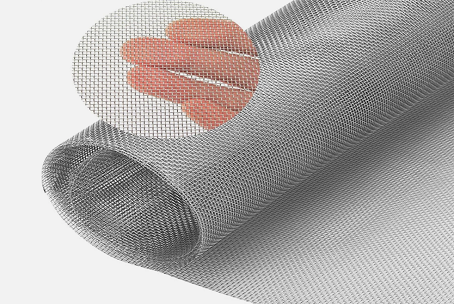
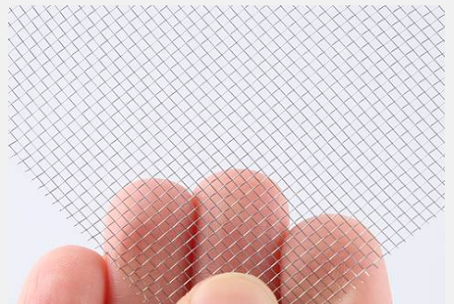
Aluminium mesh screens are cladding solutions made from perforated, woven, or expanded aluminium panels. Key features include:
· Lightweight construction: Less structural load, easier installation, and reduced foundation stress
· High corrosion resistance: Suitable for tropical, humid, and coastal environments
· Durability and impact resistance: Can withstand debris impact during strong winds
· Design flexibility: Customizable patterns, panel sizes, and finishes
These attributes make aluminium mesh screens a popular choice for commercial buildings, residential complexes, schools, and public infrastructure in the Philippines.
Aluminium mesh screens allow partial airflow through façades, reducing the pressure differential that can damage rigid panels or glass during typhoons. Benefits include:
· Lower risk of façade detachment or failure
· Reduced wind pressure transmitted to structural elements
· Safer, more resilient building envelope
High-quality aluminium alloys can resist deformation caused by flying debris. The mesh structure:
· Acts as a protective barrier for glass windows or exterior walls
· Mitigates damage from branches, debris, and projectiles
· Preserves interior safety while maintaining ventilation
Typhoons bring heavy rain and high humidity, accelerating corrosion in traditional materials. Aluminium mesh screens, especially anodized or powder-coated, offer:
· Excellent corrosion resistance
· UV protection
· Long-term durability in coastal or high-humidity environments
Reducing dead load compared to steel or concrete cladding:
· Decreases stress on walls and supporting structures
· Enables faster installation and lower labor costs
· Reduces foundation reinforcement requirements, particularly in retrofits or renovations
Aluminium mesh screens combine functional and aesthetic advantages:
· Custom patterns: Geometric, woven, or perforated designs enhance visual identity
· Facade integration: Sun shading, vertical screens, and balcony protection
· Complementary materials: Combine with glass, concrete, or composite panels for hybrid façades
· Support for greenery: Panels can host climbing plants for thermal shading and green aesthetics
These qualities make aluminium mesh screens ideal for high-rise residential towers, office complexes, and public buildings where safety and design matter.
· Protects balconies and windows from windborne debris
· Reduces solar heat gain, lowering HVAC energy demand
· Adds aesthetic texture to façades
· Secondary cladding improves façade resilience
· Enhances natural ventilation while maintaining security
· Customizable branding through patterns and designs
· Lightweight, durable, low-maintenance solution
· Reduces repair costs after typhoon events
· Improves safety for occupants
· Corrosion-resistant aluminium withstands salty air
· Light weight reduces stress on foundations in sandy or soft soil areas
· Durable against high winds and heavy rainfall
Selecting aluminium mesh screens requires careful evaluation to ensure typhoon resilience:
· Material Grade: High-quality aluminium alloy with corrosion resistance
· Finish Type: Anodized or powder-coated for weatherproofing
· Panel Thickness & Structural Strength: Meet local wind load requirements; consider mesh density for airflow and debris protection
· Installation Method: Secure mounting on subframes; proper fixation to resist uplift
· Customization: Tailor patterns and sizes for aesthetics and function
· Compliance: Philippine building codes for wind load, impact, and fire safety; verify subframe and anchoring systems
Proper planning ensures durable, energy-efficient, and typhoon-resistant installations.
Feature | Aluminium Mesh Screen | Glass / Steel Panels |
Wind Load Resistance | High (allows airflow) | Risk of breakage or detachment |
Debris Impact | Resists minor impacts | Glass can shatter; steel can dent |
Corrosion Resistance | High (anodized/powder-coated) | Steel may rust; glass requires frame protection |
Weight | Lightweight | Heavy, requires reinforced structure |
Maintenance | Low | High (cleaning, repair) |
Energy Efficiency | Moderate (ventilation + shading) | Limited |
Adoption of aluminium mesh screens is growing due to:
· Climate adaptation: Frequent typhoons require resilient building envelopes
· Sustainability awareness: Energy-efficient, low-maintenance materials
· Design innovation: Functional yet visually appealing façades
· Cost efficiency: Lightweight installation reduces labor and structural reinforcement costs
This trend is expected to continue, particularly in urban centers and coastal developments.
As the Philippines faces frequent tropical storms, typhoon-resistant building materials are critical. Aluminium mesh screens provide a perfect combination of:
· Lightweight construction
· Structural strength
· Corrosion resistance
· Design flexibility
From high-rise residential towers to coastal commercial complexes, aluminium mesh screens enhance safety, energy efficiency, and aesthetics, while reducing maintenance costs and improving long-term resilience.
Jiushen Aluminium Window Screens offers high-quality aluminium mesh solutions tailored for typhoon-resistant applications in the Philippines, ensuring durable, safe, and visually striking installations.
Copyright © Hebei Jiushen Wire Weaving Co., Ltd. All Rights Reserved. |
Sitemap
| Technical Support: