+86 182 3185 8969
+86 182 3185 8969

Choosing the correct galvanized iron wire insect screen roll size is one of the most important decisions when purchasing insect screening materials for residential, commercial, agricultural, and industrial applications. While mesh count and wire diameter often receive the most attention, selecting the wrong roll width or length can lead to excessive material waste, higher installation costs, project delays, and increased procurement expenses.
For distributors, contractors, wholesalers, and project managers, understanding how roll dimensions affect installation efficiency and overall project economics is essential. This guide explains the standard galvanized iron wire insect screen roll sizes available in the global market, factors influencing size selection, and practical recommendations for different applications.
Whether you are sourcing insect screens for windows, ventilation systems, warehouses, poultry farms, food processing facilities, or large construction projects, this article will help you choose the most suitable roll dimensions and avoid costly purchasing mistakes.
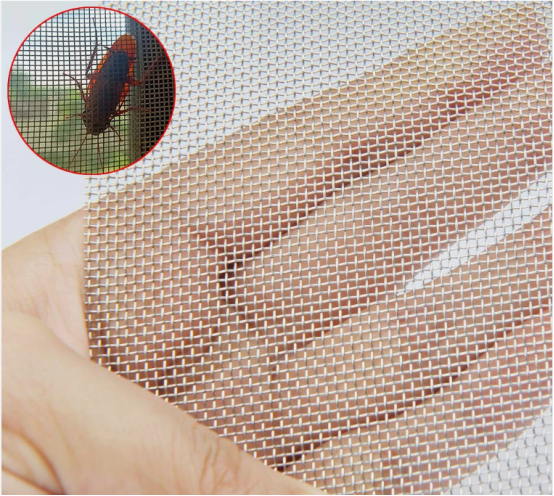
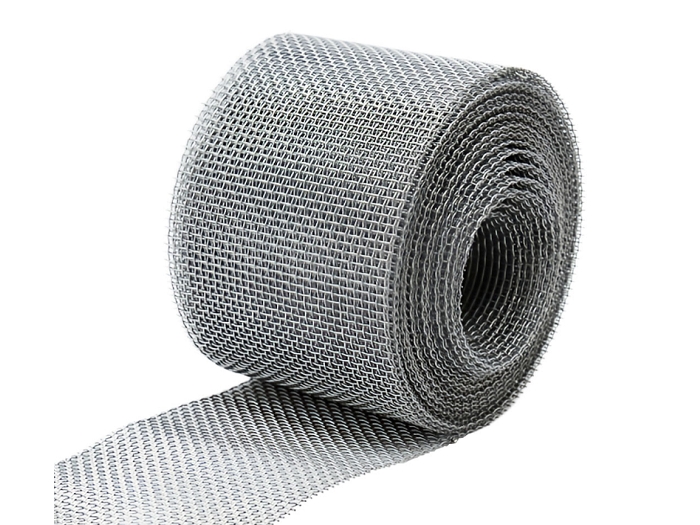
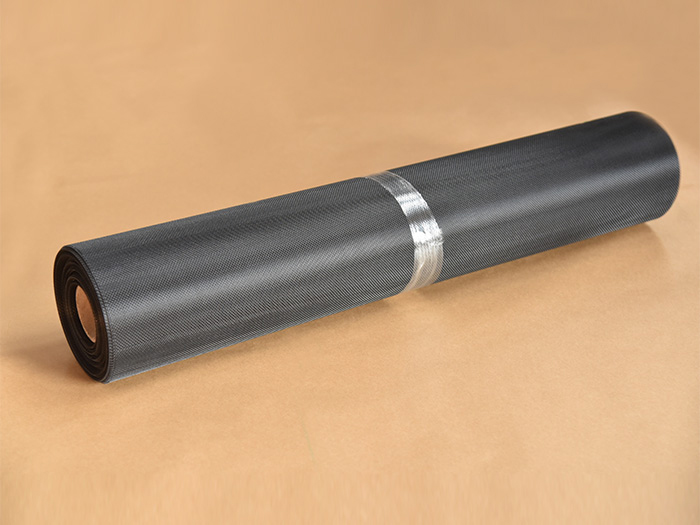
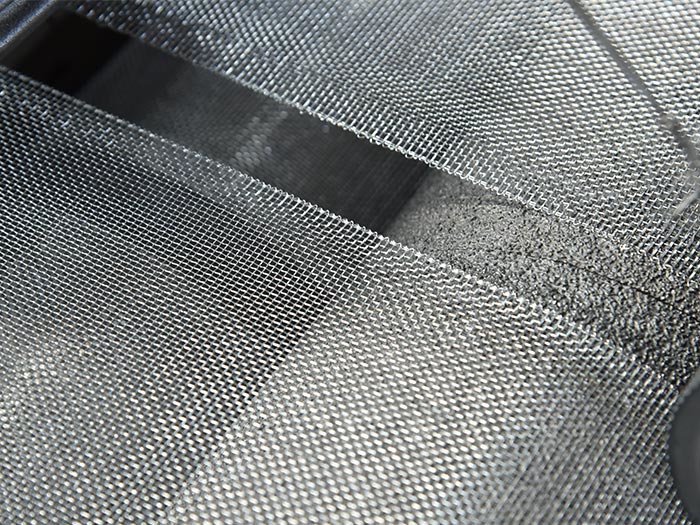
Galvanized iron wire insect screen is a woven mesh manufactured from galvanized steel wire. The galvanization process applies a protective zinc coating that enhances corrosion resistance and extends service life.
Compared with plastic insect screens, galvanized iron wire mesh offers:
· Higher mechanical strength
· Better impact resistance
· Longer service life
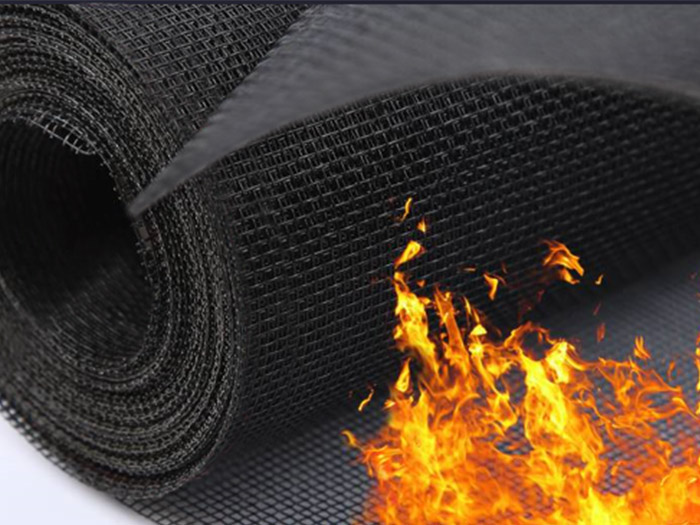
· Improved fire resistance
· Excellent durability in outdoor environments
· Better protection against rodents and larger insects
Because of these advantages, galvanized iron wire insect screens are widely used in:
· Residential windows and doors
· Industrial ventilation systems
· Agricultural buildings
· Warehouses
· Food production facilities
· Poultry and livestock farms
· Greenhouses
· Public infrastructure projects
Many buyers focus primarily on mesh specifications while overlooking roll dimensions. However, selecting the correct width and length can significantly influence project costs.
The right roll size helps:
A roll width that closely matches the required installation dimension minimizes cutting waste and improves material utilization.
Installers can complete projects faster when screen rolls match window, door, or ventilation opening dimensions.
Choosing suitable roll lengths reduces the number of rolls required, lowering packaging and shipping costs.
Distributors can stock the most commonly demanded sizes, improving turnover rates and reducing storage requirements.
Proper sizing helps buyers order the exact quantity needed without excessive overstocking.
Manufacturers typically offer galvanized insect screens in several standard widths.
Common widths include:
· 0.50 m
· 0.60 m
· 0.75 m
These sizes are suitable for:
· Small windows
· Ventilation openings
· Repair projects
· Retail sales
Advantages:
· Easy handling
· Lower purchase quantity
· Reduced inventory investment
Disadvantages:
· More seams required for large installations
· Increased installation time
Popular widths include:
· 0.90 m
· 1.00 m
· 1.20 m
· 1.50 m
These are among the most widely used dimensions worldwide.
Suitable applications:
· Residential buildings
· Commercial facilities
· Standard window systems
· Agricultural buildings
Advantages:
· Versatile for multiple projects
· Good balance between cost and efficiency
· Easy transportation
Large projects often require wider screens such as:
· 1.80 m
· 2.00 m
· 2.40 m
· 3.00 m
These widths are ideal for:
· Industrial ventilation systems
· Large warehouse openings
· Greenhouse installations
· Factory windows
Advantages:
· Fewer joints
· Faster installation
· Better visual appearance
Disadvantages:
· Higher transportation costs
· More difficult handling during installation
Roll length is another critical factor when selecting galvanized insect screens.
Common market lengths include:
Best for:
· Small projects
· Hardware stores
· Residential replacement work
Benefits:
· Lower investment
· Easy storage
· Convenient transportation
Suitable for:
· Medium-sized construction projects
· Contractors
· Regional distributors
Benefits:
· Good balance between quantity and flexibility
· Reduced packaging costs
One of the most popular industrial standards.
Applications:
· Building projects
· Agricultural facilities
· Commercial installations
Benefits:
· Better unit pricing
· Reduced roll changes during installation
· Improved productivity
Designed for:
· Large distributors
· Industrial projects
· OEM manufacturing
Benefits:
· Lowest cost per square meter
· Maximum installation efficiency
· Reduced packaging waste
However, these rolls require more storage space and handling equipment.
Selecting the proper width starts with measuring the installation opening.
Measure the actual width of the:
· Window
· Door
· Ventilation opening
· Equipment inlet
Most installers recommend adding:
· 30–50 mm on each side
This allows:
· Secure fastening
· Proper tensioning
· Future adjustments
Example:
Opening width: 950 mm
Required margin: 50 mm on each side
Total required width:
950 mm + 100 mm = 1050 mm
Recommended roll width:
1.2 m
This provides sufficient installation allowance while minimizing waste.
Accurate length estimation helps avoid material shortages or excessive inventory.
Required Length = Total Installation Area ÷ Roll Width
Example:
Project area: 240 m²
Selected roll width: 1.2 m
Required roll length:
240 ÷ 1.2 = 200 m
Recommended purchase:
· Two 100 m rolls
or
· Four 50 m rolls
depending on installation requirements.
Recommended widths:
· 0.9 m
· 1.0 m
· 1.2 m
Recommended lengths:
· 15 m
· 30 m
Reasons:
· Most residential windows fit within these dimensions.
· Easier installation and handling.
Recommended widths:
· 1.2 m
· 1.5 m
Recommended lengths:
· 30 m
· 50 m
Benefits:
· Reduced installation time
· Better project efficiency
Recommended widths:
· 1.5 m
· 1.8 m
· 2.0 m
Recommended lengths:
· 50 m
· 100 m
Typical applications:
· Poultry houses
· Livestock farms
· Greenhouses
Recommended widths:
· 2.0 m
· 2.4 m
· 3.0 m
Recommended lengths:
· 50 m
· 100 m
Advantages:
· Fewer joints
· Enhanced structural appearance
· Improved airflow management
A cheaper roll may create more waste if the width is unsuitable for the project.
Insufficient width often results in installation difficulties and additional material purchases.
Large rolls may reduce waste but can increase labor costs due to difficult handling.
Many buyers fail to account for:
· Cutting losses
· Overlaps
· Repair allowances
Industry professionals often recommend purchasing 5–10% additional material.
Distributors should focus on stocking the most frequently requested dimensions.
High-demand sizes typically include:
· 0.9 m
· 1.0 m
· 1.2 m
· 1.5 m
· 30 m
· 50 m
· 100 m
Maintaining inventory of these specifications allows distributors to serve a wider customer base while optimizing warehouse utilization.
For international buyers, container loading efficiency should also be considered. Larger roll dimensions may reduce packaging waste but can impact shipping density and freight costs.
Although standard sizes satisfy most projects, custom widths and lengths are often preferred for:
· Large infrastructure projects
· OEM manufacturing
· Government tenders
· Agricultural mega-projects
· Industrial ventilation systems
Benefits of custom dimensions include:
· Reduced waste
· Faster installation
· Better project cost control
· Improved procurement efficiency
When ordering custom sizes, buyers should communicate:
· Mesh count
· Wire diameter
· Roll width
· Roll length
· Packaging requirements
· Destination market standards
Selecting the right galvanized iron wire insect screen roll size is far more than a simple purchasing decision. The proper combination of width and length can significantly reduce waste, improve installation efficiency, lower labor costs, and optimize overall project economics.
For residential applications, medium-width rolls with shorter lengths often provide the best flexibility. Commercial and agricultural projects generally benefit from wider rolls and longer lengths, while industrial installations may require custom dimensions to maximize efficiency.
By carefully evaluating opening dimensions, project scale, installation methods, and logistics requirements, buyers can choose roll sizes that deliver the highest value and long-term performance.
As a professional manufacturer and supplier of galvanized iron wire insect screens, Jiushen provides a wide range of standard and customized roll sizes to meet the needs of distributors, contractors, agricultural projects, and industrial users worldwide. Contact our team today to obtain expert sizing recommendations, competitive quotations, and reliable insect screening solutions tailored to your specific project requirements.
Copyright © Hebei Jiushen Wire Weaving Co., Ltd. All Rights Reserved. |
Sitemap
| Technical Support: