+86 182 3185 8969
+86 182 3185 8969

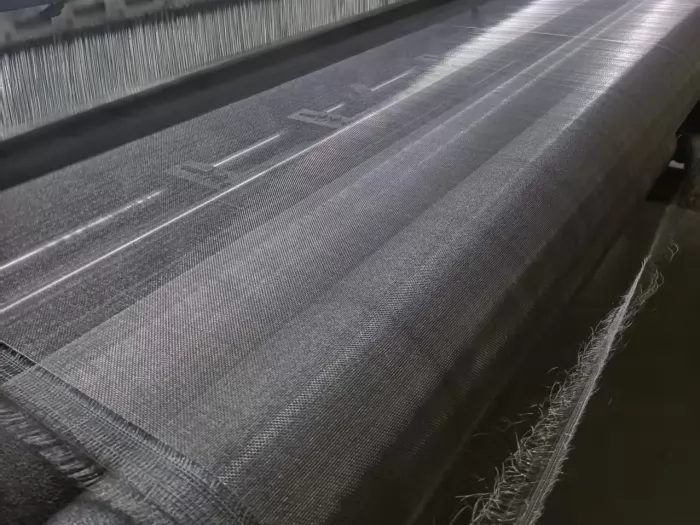
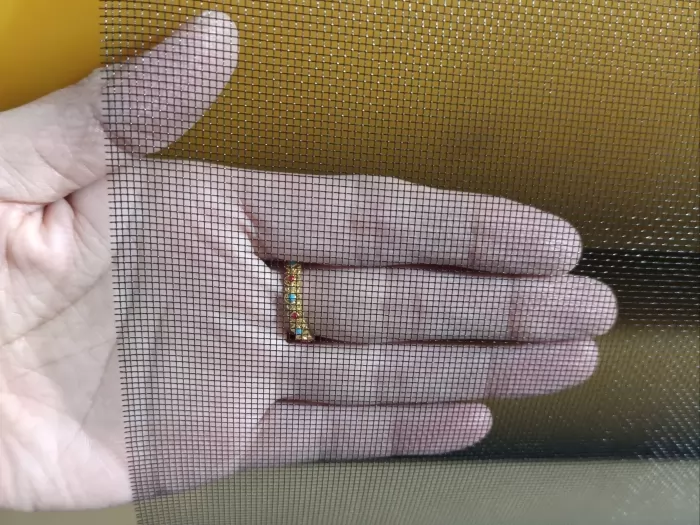
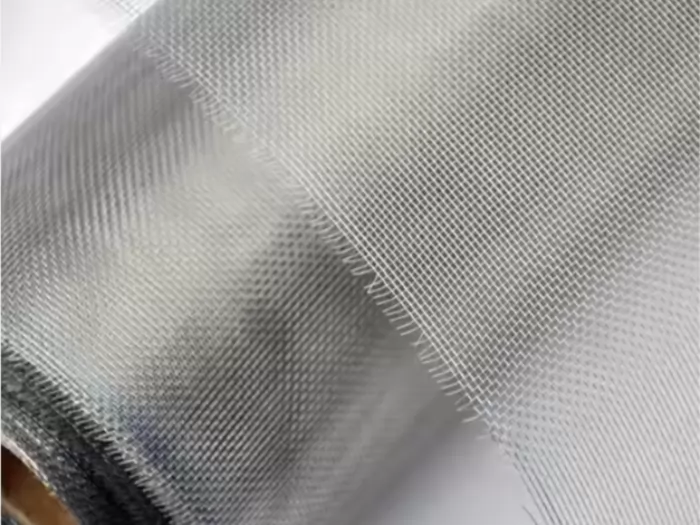
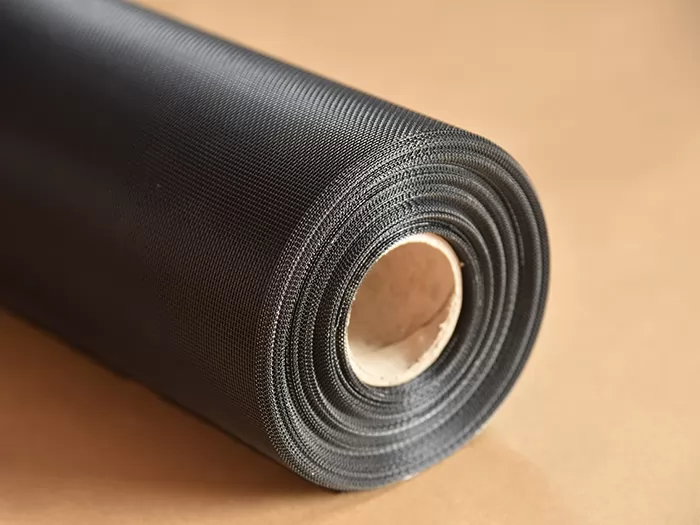
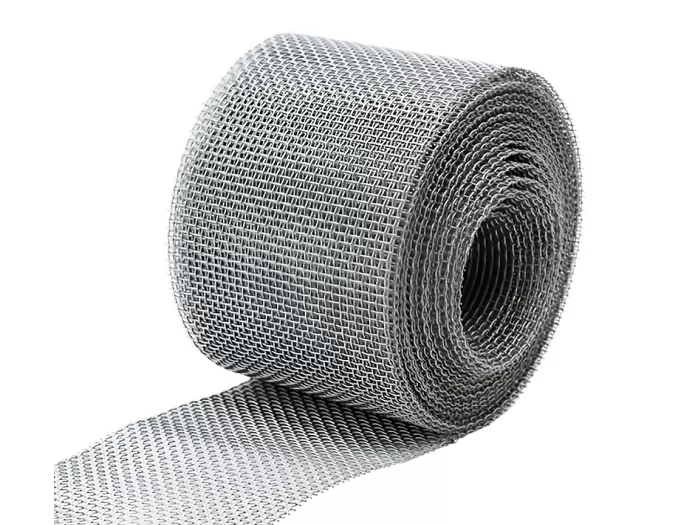
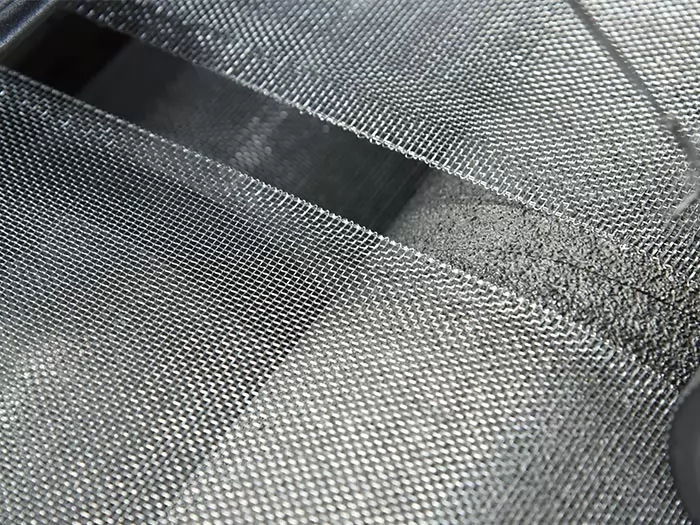
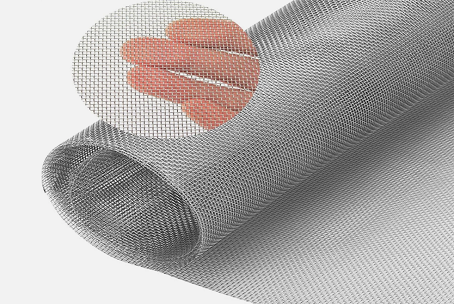
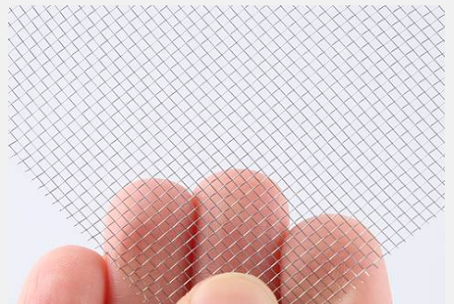
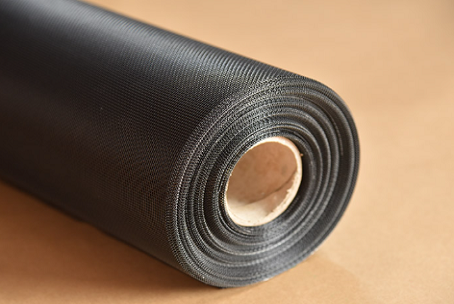
Aluminum alloy wire mesh is widely used in industrial filtration, marine engineering, ventilation systems, architectural protection, chemical processing, battery manufacturing, and lightweight structural applications. Compared with stainless steel wire mesh, aluminum mesh offers advantages in weight reduction, corrosion resistance, and ease of fabrication, making it an increasingly preferred material in global industrial procurement.
However, in real-world purchasing decisions, buyers often face a critical problem:
Different aluminum alloys look similar in mesh form, but their performance varies significantly in different environments.
Choosing the wrong alloy may lead to premature corrosion, insufficient strength, fabrication difficulties, or increased lifecycle costs.
This guide provides a structured comparison of commonly used aluminum alloy wire mesh materials—5052, 5056, 5154, and 5356—to help buyers make accurate selection decisions based on real application requirements.
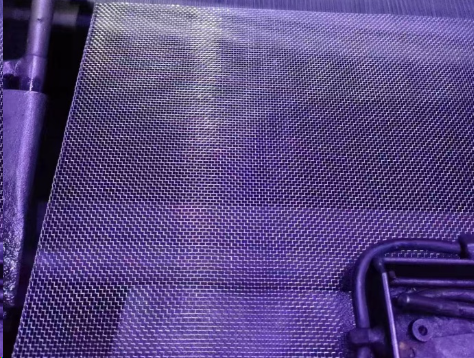
Although aluminum wire mesh is generally known for its lightweight and corrosion resistance, its actual performance depends heavily on alloy composition.
The magnesium content, internal structure, and mechanical properties of each alloy directly influence:
· Corrosion resistance in different environments
· Tensile strength and load-bearing capability
· Flexibility during forming and bending
· Welding compatibility in fabricated systems
· Long-term durability under humidity, salt, or chemical exposure
· Overall lifecycle cost and replacement frequency
For example, a mesh used in coastal ventilation systems must withstand salt spray corrosion, while a filtration support mesh in industrial equipment may prioritize structural stability and wear resistance.
Therefore, alloy selection is not a secondary detail—it is a core engineering decision that determines product reliability.
Before comparing materials, it is important to understand the working environments where aluminum wire mesh is typically used:
High salt content, continuous humidity, and strong corrosion risk.
Exposure to chemicals, vibration, and mechanical stress.
UV exposure, rain, and temperature variation.
Airflow efficiency, moisture exposure, and long-term stability.
Each environment requires different material priorities. This is why no single aluminum alloy can be considered universally best.
Corrosion resistance is one of the most important selection factors in aluminum mesh procurement.
· 5056 → Excellent (best in marine environments)
· 5052 → Excellent (general-purpose corrosion resistance)
· 5154 → Very good (industrial environments)
· 5356 → Good to very good (balanced performance)
· Marine environments → prioritize 5056 or 5052
· Industrial environments → 5154 or 5356 is usually sufficient
· Indoor controlled environments → all alloys are acceptable depending on cost
Corrosion resistance should always be matched with exposure conditions rather than selected based on material grade alone.
Strength determines whether the wire mesh can withstand vibration, pressure, or structural load.
· 5356 → highest structural strength
· 5056 → high strength with marine durability
· 5154 → medium-to-high balanced strength
· 5052 → moderate strength with high flexibility
· If the system involves structural reinforcement → higher strength alloys are preferred
· If the system involves airflow or filtration → moderate strength is sufficient
· If flexibility and forming are required → lower to medium strength alloys perform better
Higher strength does not always mean better performance, especially in non-structural applications.
In industrial manufacturing, fabrication performance often affects production efficiency more than raw material strength.
Excellent forming ability, easy to bend, stamp, and shape. Ideal for complex mesh forming.
Balanced fabrication performance with good weldability and stable processing behavior.
Stronger material, slightly reduced flexibility, but good durability in formed structures.
Excellent welding compatibility, especially suitable for assembled or welded aluminum structures.
· High-volume OEM production → 5052 preferred
· Welded structural systems → 5356 preferred
· Balanced industrial systems → 5154 or 5056
In industrial procurement, cost should not only be evaluated by unit price, but also by lifecycle performance.
Key cost factors include:
· Raw material price differences
· Manufacturing complexity
· Maintenance frequency
· Replacement cycle
· Environmental degradation rate
· 5052 → best cost-performance ratio for general use
· 5154 → balanced cost and durability
· 5056 → higher cost but long-term marine durability
· 5356 → higher cost with structural advantage
A cheaper alloy may increase long-term maintenance cost if it is not suitable for the operating environment.
Instead of focusing on theoretical material differences, buyers should select based on actual usage scenarios.
· General industrial filtration systems
· HVAC ventilation systems
· Architectural mesh applications
· Moderate outdoor environments
· Cost-sensitive projects
✔ Best for general-purpose aluminum mesh applications
· Marine and offshore engineering
· Coastal infrastructure
· Saltwater exposure environments
· High humidity industrial zones
✔ Best for corrosion-critical environments
· Industrial processing systems
· Chemical exposure environments
· Medium-load structural applications
· Equipment protection systems
✔ Best for balanced industrial performance
· Welded aluminum structures
· Transportation equipment
· Mechanical reinforcement systems
· Fabricated industrial assemblies
✔ Best for structural and welding-focused applications
Many buyers encounter performance issues not due to product quality, but due to incorrect material selection.
Low-cost material may not match environmental requirements.
Marine exposure requires specialized alloy selection.
Higher strength increases cost without functional benefit in non-structural applications.
Some alloys are harder to form or weld, increasing production difficulty.
Global demand for aluminum alloy wire mesh continues to increase due to:
· Growth in lightweight industrial materials
· Expansion of marine infrastructure projects
· Increased demand for corrosion-resistant systems
· Development of energy-efficient ventilation systems
· Growth in industrial filtration applications
Compared with stainless steel mesh, aluminum mesh provides advantages in weight reduction, installation efficiency, and transportation cost.
As industries move toward lightweight and durable engineering solutions, aluminum alloy wire mesh will continue to play an important role in global industrial applications.
5052, 5056, 5154, and 5356 aluminum alloy wire mesh each serve different engineering purposes.
There is no universal “best alloy”—only the most suitable choice based on environment and application requirements.
· 5052 → best for general industrial use and cost efficiency
· 5056 → best for marine and corrosion-intensive environments
· 5154 → best for balanced industrial applications
· 5356 → best for structural and welded systems
A proper selection improves system reliability, reduces maintenance cost, and extends service life.
Jiushen-Industrial Wire Mesh Manufacturer provides customized aluminum alloy wire mesh solutions for industrial filtration, marine engineering, ventilation systems, architectural applications, and engineered industrial projects with stable quality control and global export capability.
Copyright © Hebei Jiushen Wire Weaving Co., Ltd. All Rights Reserved. |
Sitemap
| Technical Support: