+86 182 3185 8969
+86 182 3185 8969

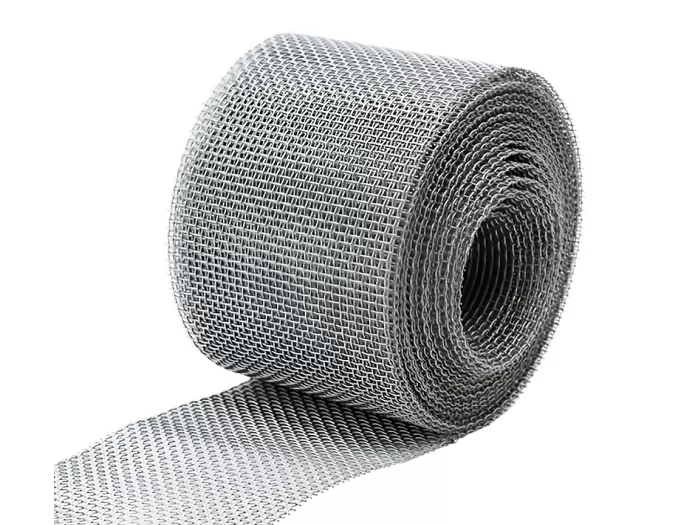
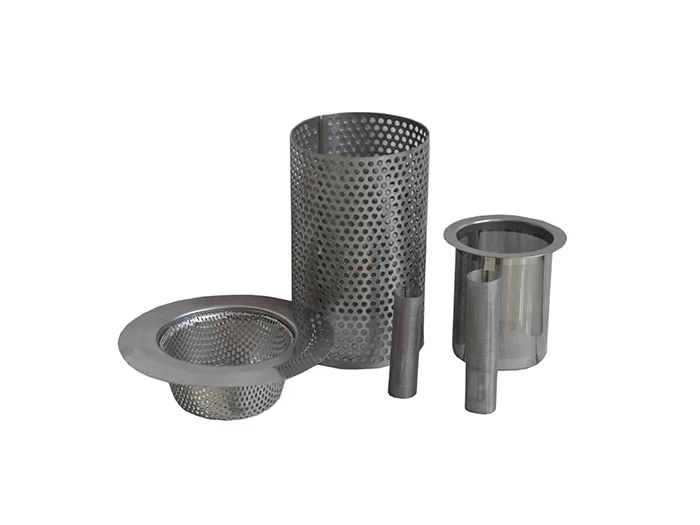
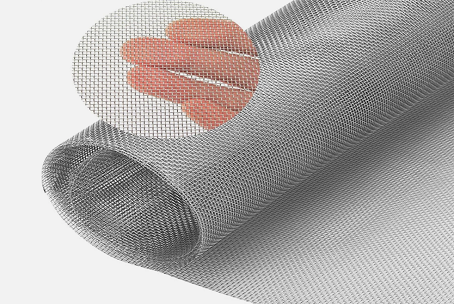
Aluminum alloy wire mesh is widely used across industrial filtration, marine engineering, ventilation systems, architectural protection, and lightweight structural applications. Compared with stainless steel wire mesh, aluminum mesh provides significant advantages in weight reduction, corrosion resistance, and ease of fabrication.
However, in industrial procurement, one of the most common challenges is not “what is aluminum mesh”, but rather:
Which aluminum alloy grade should be selected for the application?
Different aluminum alloys can look very similar in mesh form, but their internal performance varies significantly in strength, corrosion resistance, weldability, and lifecycle cost. Choosing the wrong aluminum alloy may lead to premature corrosion, structural deformation, or unnecessary procurement cost increases.
This guide provides a practical comparison of aluminum alloy wire netting materials to help buyers make informed decisions based on real application requirements.
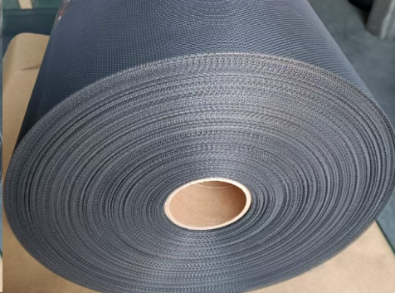
Although aluminum wire screen is generally lightweight and corrosion resistant, its performance is strongly influenced by alloy composition.
Different alloy formulations affect:
· Mechanical strength and load capacity
· Resistance to moisture, salt, and chemicals
· Flexibility during fabrication
· Welding compatibility
· Long-term durability in harsh environments
· Total lifecycle cost
For example, mesh used in coastal ventilation systems faces salt corrosion risk, while industrial filtration systems may require higher structural stability and wear resistance.
Therefore, alloy selection is not a technical detail—it directly determines product lifespan and system reliability.
In industrial applications, aluminum wire mesh is commonly produced using several alloy families, especially aluminum-magnesium-based materials.
The most frequently used material categories include:
· 5052 aluminum alloy
· 5056 aluminum alloy
· 5154 aluminum alloy
· 5356 aluminum alloy
· 6061 aluminum alloy
Each material is designed for different performance priorities such as corrosion resistance, strength, or fabrication capability.
Instead of focusing on a single “best” material, buyers should evaluate which alloy best matches the working environment.
Strength is a key factor for applications involving mechanical stress, vibration, or structural support.
In general:
· Standard aluminum alloys provide moderate strength suitable for light industrial use
· Magnesium-enhanced alloys provide improved tensile strength
· Heat-treated structural alloys provide the highest mechanical performance
· Moderate strength: suitable for ventilation and filtration support
· Medium-high strength: suitable for industrial environments
· High strength: suitable for structural and load-bearing applications
When selecting aluminum mesh, higher strength does not always mean better performance. Over-specifying strength can increase cost without functional benefit.
Corrosion resistance is one of the most important selection criteria for aluminum wire screen, especially in humid, coastal, or chemically active environments.
Aluminum alloys generally perform well against atmospheric corrosion, but their resistance level varies depending on composition and environmental exposure.
· Excellent resistance: suitable for marine and coastal environments
· Very good resistance: suitable for industrial humidity and outdoor use
· Moderate resistance: suitable for controlled indoor environments
In salt-rich environments, corrosion resistance becomes the primary selection factor, often more important than mechanical strength.
Another important consideration in aluminum netting selection is manufacturability.
Industrial buyers often require mesh to undergo:
· Cutting
· Bending
· Stamping
· Welding
· Frame assembly
Different alloys respond differently during processing:
· Softer alloys offer better forming flexibility
· Stronger alloys provide better structural stability but reduced formability
· Welding-friendly alloys improve fabrication efficiency in assembled structures
If the aluminum screen requires complex shaping or repeated processing, material flexibility becomes a key factor.
Material cost is not only determined by raw aluminum price but also by processing difficulty, durability, and life-cycle performance.
In general, cost differences are influenced by:
· Alloy composition and raw material cost
· Manufacturing complexity
· Required processing steps
· Expected service life
· Replacement frequency
From a procurement perspective:
A lower-cost aluminum alloy may lead to higher maintenance costs over time, while a higher-grade aluminum alloy may reduce total life-cycle expenses.
Therefore, cost evaluation should focus on total project cost, not just unit price.
Selecting the correct aluminum material requires matching performance characteristics with application conditions.
For applications exposed to:
· Saltwater
· Coastal humidity
· Offshore wind and spray
Priority should be given to materials with strong corrosion resistance and long-term environmental stability.
Typical applications include marine ventilation, ship systems, and coastal infrastructure.
For general industrial environments such as:
· Manufacturing facilities
· Ventilation systems
· Chemical processing environments with moderate exposure
Balanced alloys offering both corrosion resistance and moderate strength are usually sufficient.
These applications do not require extreme marine-grade performance.
For applications involving:
· Mechanical stress
· Structural support
· Load-bearing systems
· Vibration environments
Higher-strength aluminum alloys are more suitable.
These materials provide improved stability under dynamic conditions.
For projects requiring:
· Complex shaping
· Frequent bending
· Custom mesh forming
· Lightweight structural design
Materials with better flexibility and fabrication performance should be prioritized.
This reduces production difficulty and improves manufacturing efficiency.
Many buyers make selection errors that lead to performance issues or unnecessary cost increases.
Lower cost does not always mean better value. Poor material selection may reduce product lifespan.
Failing to consider humidity, salt exposure, or chemical contact often results in premature corrosion.
Using high-strength alloys in non-structural applications increases cost without benefit.
Some alloys are harder to bend or weld, increasing production complexity.
Global demand for aluminum wire mesh continues to increase due to:
· Growth in lightweight industrial materials
· Expansion of marine engineering projects
· Increased demand for corrosion-resistant systems
· Development of energy-efficient ventilation systems
· Growth in industrial filtration technologies
Compared with steel-based materials, aluminum mesh provides advantages in weight reduction, transportation efficiency, and installation flexibility.
As industries continue to prioritize durability and lightweight design, aluminum alloy wire mesh screen will remain a key material in global industrial applications.
Selecting the right aluminum alloy wire mesh requires a comprehensive evaluation of strength, corrosion resistance, fabrication performance, and cost efficiency.
There is no universal “best” alloy—only the most suitable material for a specific application environment.
A proper selection strategy helps improve system reliability, extend service life, and optimize total procurement cost.
Jiushen-Industrial Wire Mesh Manufacturer provides customized aluminum alloy wire mesh solutions for industrial filtration, marine engineering, ventilation systems, architectural applications, and engineered industrial projects, supporting stable quality control and global export supply.
Copyright © Hebei Jiushen Wire Weaving Co., Ltd. All Rights Reserved. |
Sitemap
| Technical Support: