+86 182 3185 8969
+86 182 3185 8969

When sourcing aluminum fly screen in bulk, one of the most important decisions is whether to choose roll or sheet format. This choice directly affects material handling, installation efficiency, project costs, and waste levels.
While both forms use the same high-quality aluminum mesh, their delivery format influences how they are stored, transported, and installed. Understanding the practical differences between rolls and sheets enables project teams to make informed decisions that align with their workflow, site conditions, and budget.
This report compares roll and sheet aluminum fly screens across key performance factors to help you determine the best option for your specific project requirements.

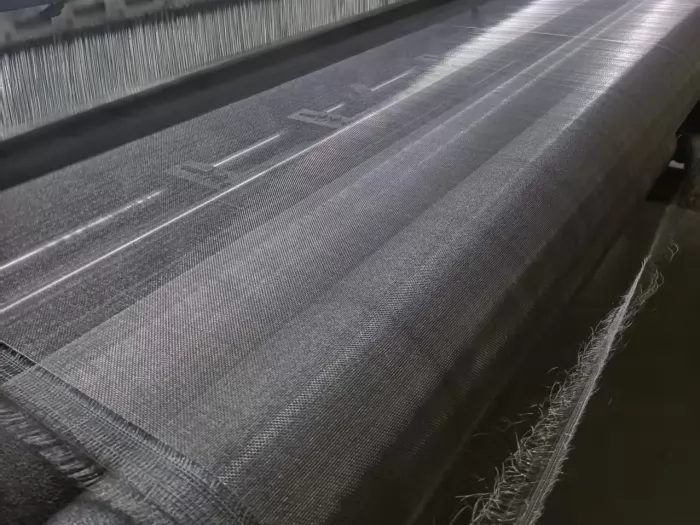
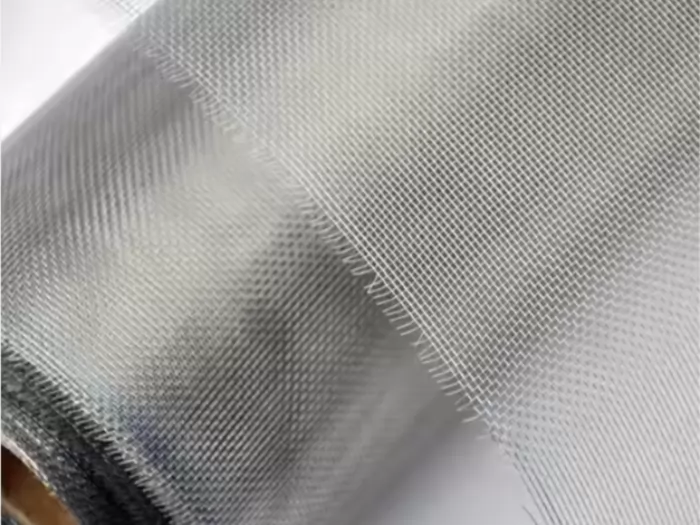
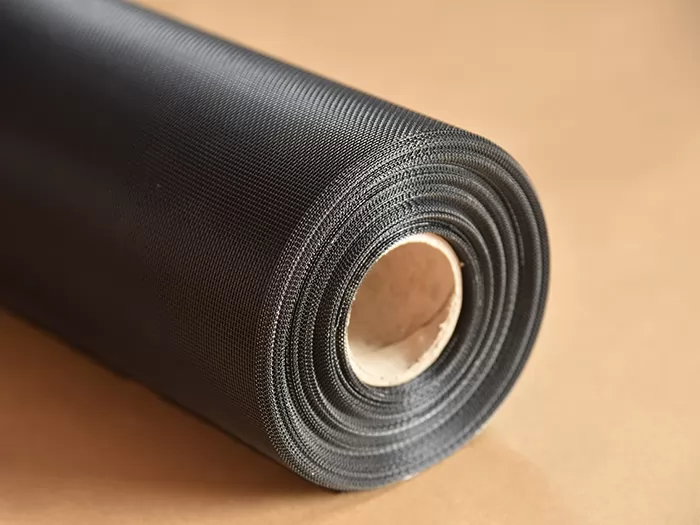
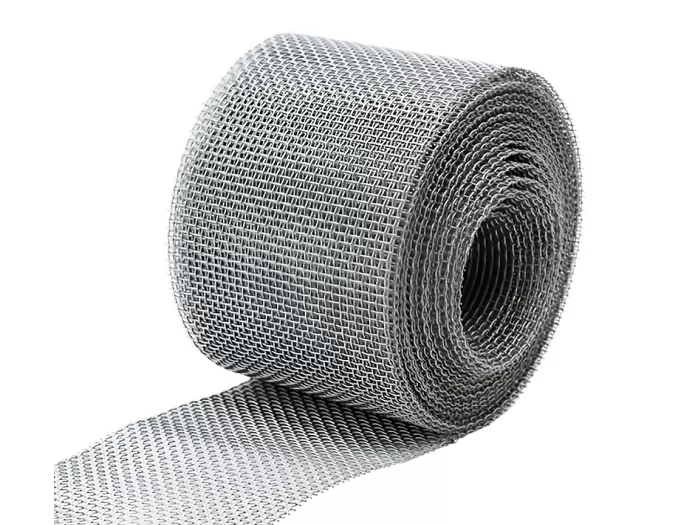
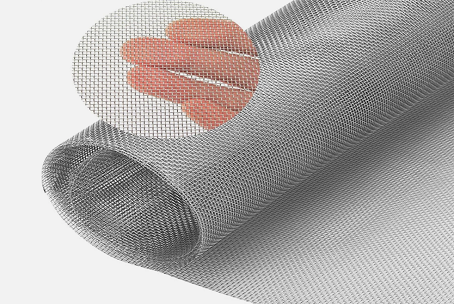
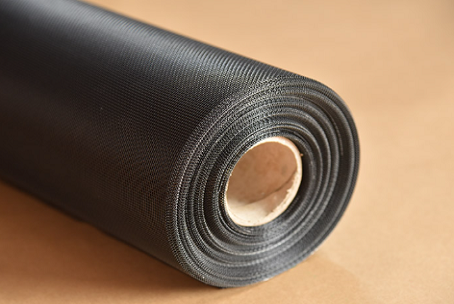
Roll aluminum fly screen refers to mesh that is wound onto a spool or core, typically available in standard widths such as 0.9 meters (36 inches), 1.2 meters (48 inches), or 1.5 meters (60 inches). Roll lengths vary from 25 meters to over 100 meters, depending on order size and supplier capabilities.
The roll format is widely used in large-scale construction, window manufacturing, and custom fabrication settings.
· Custom Cutting Flexibility: Rolls allow precise on-site or workshop cutting to fit non-standard or variable frame sizes, minimizing offcuts.
· Space-Efficient Storage: Rolls occupy less floor space than stacked sheets, making them ideal for tight warehouses or active construction sites.
· Lower Unit Cost: Due to reduced packaging and handling, rolls typically offer a lower price per square meter.
· Reduced Inventory Complexity: One roll width can serve multiple frame sizes, reducing the need for multiple SKUs.
· Ideal for High-Volume Projects: Suitable for developers installing screens across hundreds of units with varying dimensions.
· New residential developments with diverse window sizes.
· Custom window and door manufacturers.
· Large commercial buildings requiring tailored screening solutions.
· On-site fabrication where cutting tools are available.
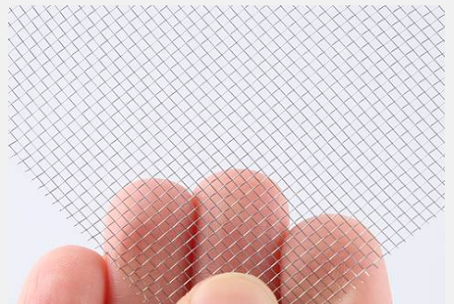
Sheet aluminum fly screen consists of pre-cut flat panels, commonly supplied in standard sizes such as 24 x 36 inches, 30 x 48 inches, or custom dimensions based on project specifications. Sheets are stacked and packaged with protective layers to prevent scratching or deformation during transit.
This format is often chosen when speed and consistency are critical.
· Ready for Immediate Installation: No cutting required—sheets can be directly inserted into frames.
· Consistent Dimensions: Factory-cut sheets ensure uniformity, reducing measurement errors and rework.
· Faster On-Site Assembly: Ideal for teams under tight deadlines or with limited fabrication tools.
· Easier Handling for Small Teams: Lighter and more manageable than full rolls, especially in retrofit or repair work.
· Better for Standardized Projects: Perfect when all openings are the same size.
· Replacement of damaged screens in existing buildings.
· Industrial facilities with repetitive window or ventilation panel designs.
· Maintenance contracts with scheduled screen upgrades.
· Projects with limited access to cutting equipment or skilled labor.
Feature | Roll Aluminum Fly Screen | Sheet Aluminum Fly Screen |
Cutting Flexibility | High – can be cut to any length | Low – fixed dimensions only |
Storage Efficiency | Compact – rolls stand vertically | Requires flat stacking space |
Material Waste | Lower when cutting is optimized | Higher if standard sizes don’t match openings |
Cost per Square Meter | Generally lower | Slightly higher due to processing |
Installation Speed | Slower – requires cutting and trimming | Faster – ready to install |
On-Site Labor Requirements | Requires trained personnel and tools | Minimal – suitable for general labor |
Transportation Efficiency | High – dense packing, less volume | Moderate – sheets need protection from bending |
Quality Control | Consistent mesh quality | Often includes tighter dimensional tolerance |
Best For | Custom, large-scale, or variable-size projects | Standardized, fast-install, or replacement work |
Choose Roll Aluminum Fly Screen If:
· You are working on a large development with multiple unit types and varying screen sizes.
· Your team has access to cutting tables, rollers, and spline tools.
· You want to minimize material costs and optimize inventory space.
· You are fabricating frames and screens together in a workshop.
· You are managing long-term projects where phased usage is expected.
Choose Sheet Aluminum Fly Screen If:
· All screen openings are uniform in size (e.g., identical windows across a building).
· Installation speed is a priority and on-site cutting capacity is limited.
· You are handling maintenance, repairs, or replacements.
· Your storage area lacks space for large roll stands or handling equipment.
· You need to reduce training or supervision needs for installation crews
1. Transportation and Handling
· Rolls are generally easier to ship in bulk due to their compact shape, but large rolls (e.g., 100+ meters) can weigh over 50 kg and require forklifts or roll stands for safe handling.
· Sheets must be packed flat with edge protectors to avoid bending. While easier to move manually, they take up more container space.
2. Material Specifications
· Both formats are available in the same mesh counts (e.g., 14x14, 18x16), wire gauges (e.g., 0.3 mm to 0.5 mm), and surface treatments (powder-coated, anodized, or plain).
· Ensure your supplier maintains consistent tension and flatness—especially for sheets used in automated assembly lines.
3. Environmental and Site Conditions
· In humid or coastal environments, confirm that both rolls and sheets are coated for corrosion resistance.
· For outdoor storage, keep rolls covered to prevent dust and moisture buildup, which can lead to staining.
Final Recommendations
The choice between roll and sheet aluminum fly screen should be driven by your project’s operational needs—not just initial cost.
· For large-scale, custom, or cost-sensitive builds, rolls offer superior flexibility, lower material costs, and efficient storage.
· For standardized installations, quick turnarounds, or repair work, sheets provide convenience, speed, and ease of use.
Many successful projects use a hybrid approach: rolls for primary construction phases and sheets for final touch-ups or replacements.
By aligning your format choice with your labor capacity, site logistics, and design consistency, you can reduce waste, improve workflow, and deliver higher-quality results.
Jiushen supplies both roll and sheet aluminum fly screens tailored to your project’s specifications. We offer:
· Rolls in standard and custom widths (0.9 m to 1.8 m) and lengths (25 m to 120 m)
· Sheets cut to your exact dimensions with edge finishing
· Multiple mesh types, wire gauges, and corrosion-resistant coatings
· Bulk packaging optimized for container shipping
· Free sample kits and technical support
Contact us today to discuss your project requirements and receive a customized quote.
Copyright © Hebei Jiushen Wire Weaving Co., Ltd. All Rights Reserved. |
Sitemap
| Technical Support: