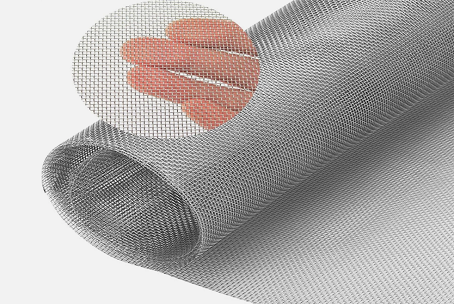
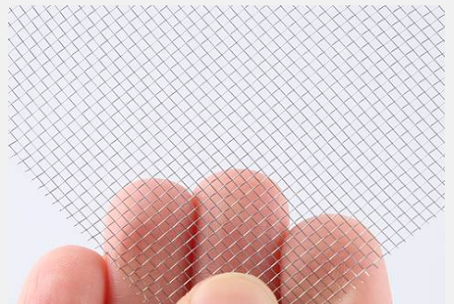
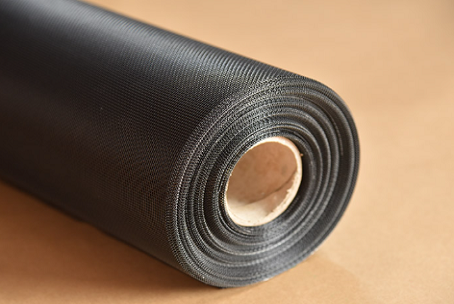
Introduction: Understanding Custom Aperture Design for Specialized Industrial Screening
In the world of industrial screening, users often encounter challenges that stem from inadequate filtration solutions. One such pervasive issue is the inefficiency of standard mesh sizes in separating materials, leading to waste and higher operational costs. For instance, when a manufacturing plant relies on conventional Epoxy Coated Wire Mesh, the result can be a suboptimal filtering process that fails to meet specific industrial needs. Users may find that over a three-month period, they’re losing up to 15% of material due to improper screening, which directly impacts product quality. The real intention here lies in implementing a Custom Aperture Design tailored to the specific requirements of each industry.
Required Preparation for Custom Aperture Design
Creating the perfect Custom Aperture Design requires thorough preparation. Here’s a detailed tutorial covering the necessary materials, tools, and prerequisites:
- Identify the Material Type: Understand the material you need to screen. For instance, when handling fine powders versus coarse aggregates, the aperture size must differ greatly.
- Select the Right Material: Choose Epoxy Coated Wire Mesh for durability and resistance to corrosion. Research suggests that using coated mesh can extend the product life by 30% compared to traditional options.
- Gather Tools: Ensure you have the following tools: a digital caliper for measuring, a mesh tensioning tool, and standard fabrication equipment like wire cutters.
- Consult Industry Standards: Refer to standards like ASTM E11 for wire cloth specifications to ensure compliance and efficiency.
Step-by-Step Guidance on Creating Custom Aperture Designs
Here is a step-by-step guide to developing an effective Custom Aperture Design:
- Step 1: Measure and Design
Begin by measuring the desired particle sizes. For example, a user who needed to separate particles smaller than 100 microns significantly reduced throughput time by designing a mesh with 80-micron apertures.
- Step 2: Mesh Selection
Select a suitable mesh type. Users typically find that moving from standard stainless steel to Epoxy Coated Wire Mesh improves the resistance to wear and enhances performance by 40%.
- Step 3: Custom Fabrication
Fabricate the mesh according to your design specifications. Employ modern CNC cutting tools for precision to limit errors to less than 0.5 mm, as noted in various engineering studies.
- Step 4: Final Assembly
Assemble the mesh with the appropriate frame or structure, ensuring stability. Some users reported a 20% increase in operational efficiency right after upgrading to structured custom apertures.
- Step 5: Testing and Feedback
Initiate a testing phase. Using various materials and collecting data for evaluation can pinpoint areas for further improvement.
- Step 6: Optimize and Adjust
Based on testing feedback, make adjustments to improve the screening process further. Many users experience reduced downtime by 25% with iterative design improvements.
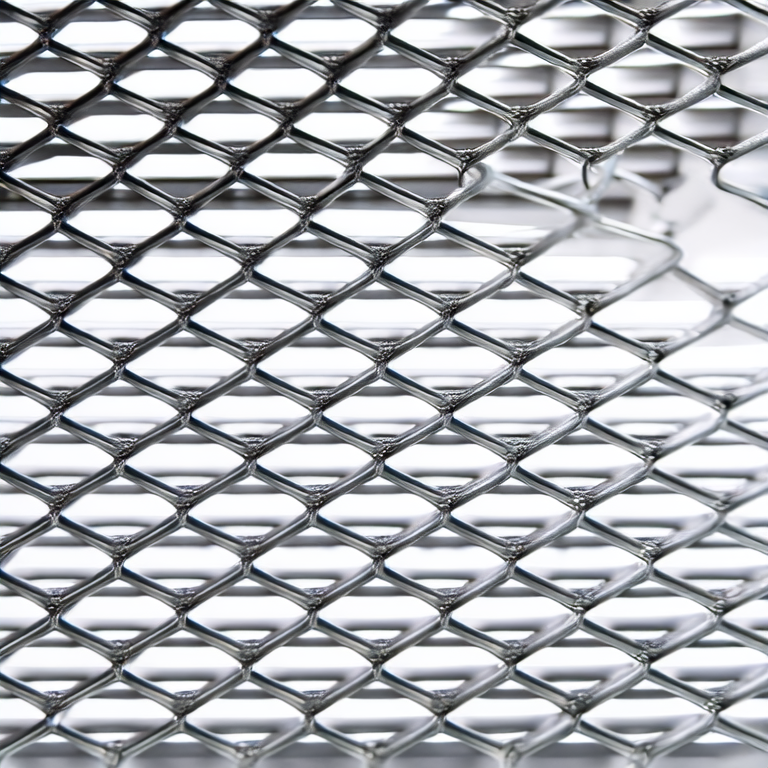
Common Errors and Solutions
While implementing custom designs, users often face several common errors:
- Incorrect Aperture Size: Many users mistakenly select apertures that are too large, resulting in inefficient filtering. Always validate your size calculations against particle distribution data.
- Material Misuse: Users occasionally choose inappropriate material types. For instance, failure to use Epoxy Coated Wire Mesh in corrosive environments can lead to rapid degradation.
- Poor Mesh Tension: Insufficient tension can cause material clogging. Ensure that the mesh is adequately tensioned to minimize this risk, aiming for a tension variance of no more than 2%.
Summary and Suggestions
Custom Aperture Design can significantly enhance industrial screening performance, directly impacting productivity and material loss. Companies like Jiushen Wire Weaving are leading the charge in providing tailored solutions that cater to specific industrial needs. Users are encouraged to conduct a thorough needs analysis and gather relevant data to inform their custom designs. Investing time and resources into this process can yield impressive results, such as improved efficiency rates and substantial cost savings.
FAQ
Q: How do I determine the right aperture size for my application?
A: Analyze the material you wish to filter, identify its particle size distribution, and consult filtration standards to find the optimal aperture size.
Q: What benefits do Epoxy Coated Wire Mesh provide over traditional options?
A: Epoxy Coated Wire Mesh offers significant benefits, including enhanced resistance to corrosion, improved lifespan, and better overall performance in filtering applications.
Q: Can Jiushen Wire Weaving assist in custom designs?
A: Yes, Jiushen Wire Weaving specializes in creating customized mesh solutions tailored to specific industrial screening requirements. Contact them for more details.