+86 182 3185 8969
+86 182 3185 8969

In hydraulic systems across industries — from construction machinery to precision manufacturing — filtration efficiency is critical for equipment reliability and performance. Hydraulic filter elements play a central role in protecting sensitive system components from contamination, wear, and premature failure.
Yet, even the most advanced hydraulic filters are only as effective as the materials they are built from. One often overlooked but essential factor in filter longevity and performance is the quality of the filtration mesh used in the construction of filter elements.
In this article, we explore how advanced mesh technology enhances the service life of hydraulic filter elements, the challenges faced by traditional mesh materials, and what manufacturers and system operators need to know to maximize equipment uptime and reduce maintenance costs.
Hydraulic systems rely on pressurized fluid to transmit power efficiently. However, this fluid is highly susceptible to contamination from:
· Metal particles due to component wear
· Dust, dirt, and environmental debris
· Residual materials from manufacturing processes
· Fluid degradation by-products
Contaminants, even as small as a few microns, can lead to:
· Valve and pump failures
· Increased friction and wear
· System inefficiencies
· Costly unplanned downtime
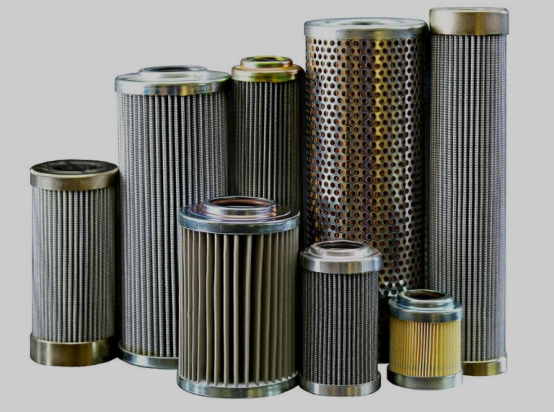
As a result, hydraulic filters — particularly return line filters, suction filters, and pressure filters — are indispensable for maintaining clean fluid and protecting critical components.
Within hydraulic filter elements, the filtration mesh acts as the first line of defense by physically capturing and retaining solid contaminants. The performance and durability of this mesh directly influence:
· Filtration efficiency
· Dirt holding capacity
· Resistance to pressure fluctuations
· Overall filter service life
The most common types of mesh used in hydraulic filters include:
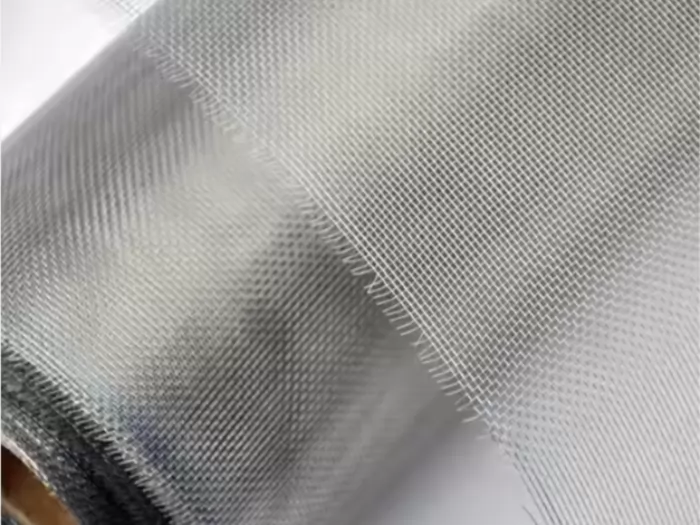
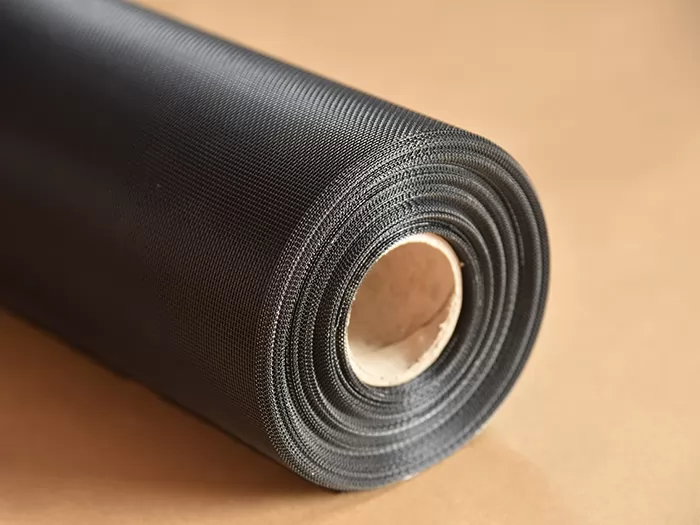
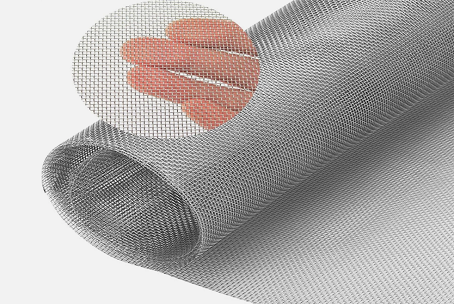
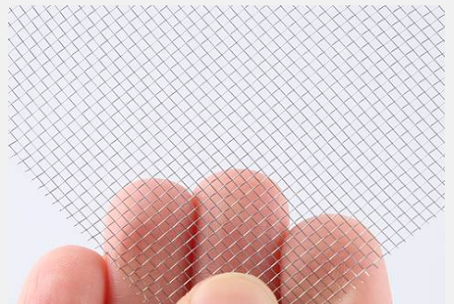
· Woven wire mesh
· Sintered metal mesh
· Expanded metal mesh
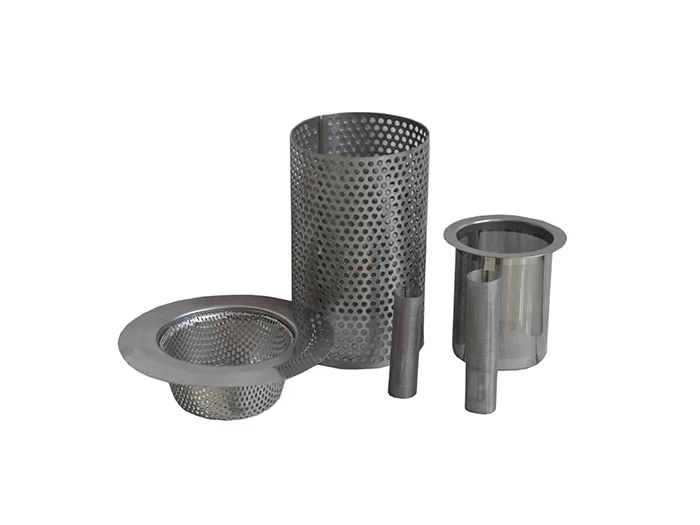
· Perforated metal support layers
Selecting the right mesh design and material is essential for optimizing filter performance in demanding operating environments.
While many filter elements use standard mesh materials, they often present limitations that can reduce service life, including:
Under high-pressure or pulsating flow conditions, inferior mesh can deform, collapse, or develop cracks, compromising filter integrity.
Poorly manufactured mesh may have irregular pore sizes, leading to unreliable filtration efficiency and premature clogging.
In hydraulic systems exposed to aggressive fluids or harsh environments, low-grade mesh materials can corrode, leading to particle shedding and contamination.
Mesh with suboptimal geometry or poor bonding reduces the filter's ability to retain contaminants effectively over time.
These challenges increase maintenance frequency, raise operating costs, and can ultimately lead to system failure.
To address these issues, we utilize engineered mesh materials and manufacturing techniques specifically optimized for hydraulic filtration. Our mesh offers several key advantages:
We employ stainless steel grades such as 304, 316L, and Duplex stainless steel, known for their:
· Excellent mechanical strength
· Resistance to corrosion and pitting
· Stability under high differential pressures
This ensures the mesh maintains structural integrity throughout the filter's service life, even in demanding hydraulic environments.
Our mesh is manufactured with:
· Tight pore size tolerances for consistent filtration performance
· Multilayer sintered construction for enhanced strength and depth filtration
· Optimized open area ratios to maximize flow rates and dirt holding capacity
These features enable longer service intervals and reduce the risk of filter bypass or collapse.
The combination of fine mesh layers and robust support structures captures a broad spectrum of particles, from coarse debris to sub-micron contaminants, ensuring:
· Cleaner hydraulic fluid
· Reduced component wear
· Extended system uptime
Hydraulic systems often experience pressure spikes, pulsations, and temperature fluctuations. Our mesh is engineered to withstand:
· Dynamic pressure changes
· High burst pressures
· Cyclic loading without deformation
This provides reliable, long-term protection for critical system components.
Our advanced mesh technology is utilized in hydraulic filter elements across a wide range of industries, including:
Industry | Application | Benefit |
Construction Machinery | Excavators, loaders, cranes | Rugged filtration for extreme dust and debris |
Agricultural Equipment | Tractors, harvesters | Reliable contaminant control in dusty environments |
Industrial Hydraulics | Presses, injection molding machines | Clean fluid for precision operations |
Mobile Equipment | Forklifts, aerial lifts | Durable filters with extended service life |
Marine & Offshore | Saltwater-exposed systems | Corrosion-resistant, high-performance filtration |
In each case, durable mesh construction translates to lower maintenance requirements, reduced downtime, and longer-lasting equipment.
Filter element mesh design is not one-size-fits-all. Key factors that influence filter performance include:
Mesh Attribute | Impact on Performance |
Wire Diameter and Material | Determines strength, corrosion resistance, and longevity |
Pore Size (Micron Rating) | Controls filtration efficiency and dirt holding capacity |
Weave Type | Affects flow rates and mechanical stability |
Multilayer Construction | Provides depth filtration and enhances durability |
Surface Treatment | Improves corrosion resistance and cleanliness |
Collaborating with filter manufacturers that utilize advanced mesh solutions ensures hydraulic systems perform reliably, even under severe conditions.
Investing in hydraulic filters with superior mesh materials provides measurable cost benefits:
Durable mesh with high dirt holding capacity allows filters to remain effective for longer periods, reducing maintenance frequency.
Stronger, more reliable mesh prevents contamination-related failures, minimizing downtime and costly repairs.
While advanced mesh filters may carry a slightly higher initial price, the reduced maintenance, extended service life, and improved system reliability significantly lower long-term operating costs.
When selecting hydraulic filters, OEMs and system operators should evaluate:
· Operating pressures and temperature ranges
· Type and size of contaminants to be captured
· Fluid compatibility and potential for corrosion
· Desired service life and maintenance intervals
· Industry-specific certification or quality standards
Partnering with filter suppliers who prioritize high-performance mesh materials ensures hydraulic systems meet or exceed operational expectations.
The service life and effectiveness of hydraulic filter elements depend heavily on the quality of the mesh used in their construction. By utilizing advanced mesh materials, precision manufacturing processes, and application-specific designs, filter elements deliver:
· Superior contaminant retention
· Enhanced resistance to pressure and fatigue
· Extended maintenance intervals
· Greater system reliability and equipment longevity
For operators and OEMs seeking to maximize the performance and lifespan of their hydraulic systems, investing in filter elements built with high-performance mesh is a proven, cost-effective strategy.
If you're looking to enhance the durability and performance of your hydraulic filtration systems, choosing a mesh supplier with the right expertise is essential.
With years of experience in developing high-quality mesh solutions for filtration applications, Jiushen provides reliable, efficient, and customizable mesh products tailored to your hydraulic filter element needs.
Contact Jiushen today to learn how our mesh can help extend the service life of your filters and optimize your system performance.
Copyright © Hebei Jiushen Wire Weaving Co., Ltd. All Rights Reserved. |
Sitemap
| Technical Support: